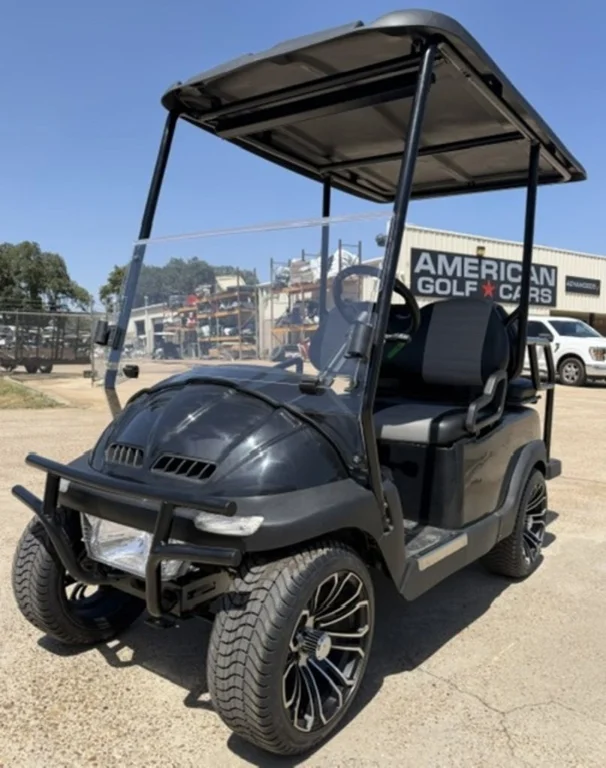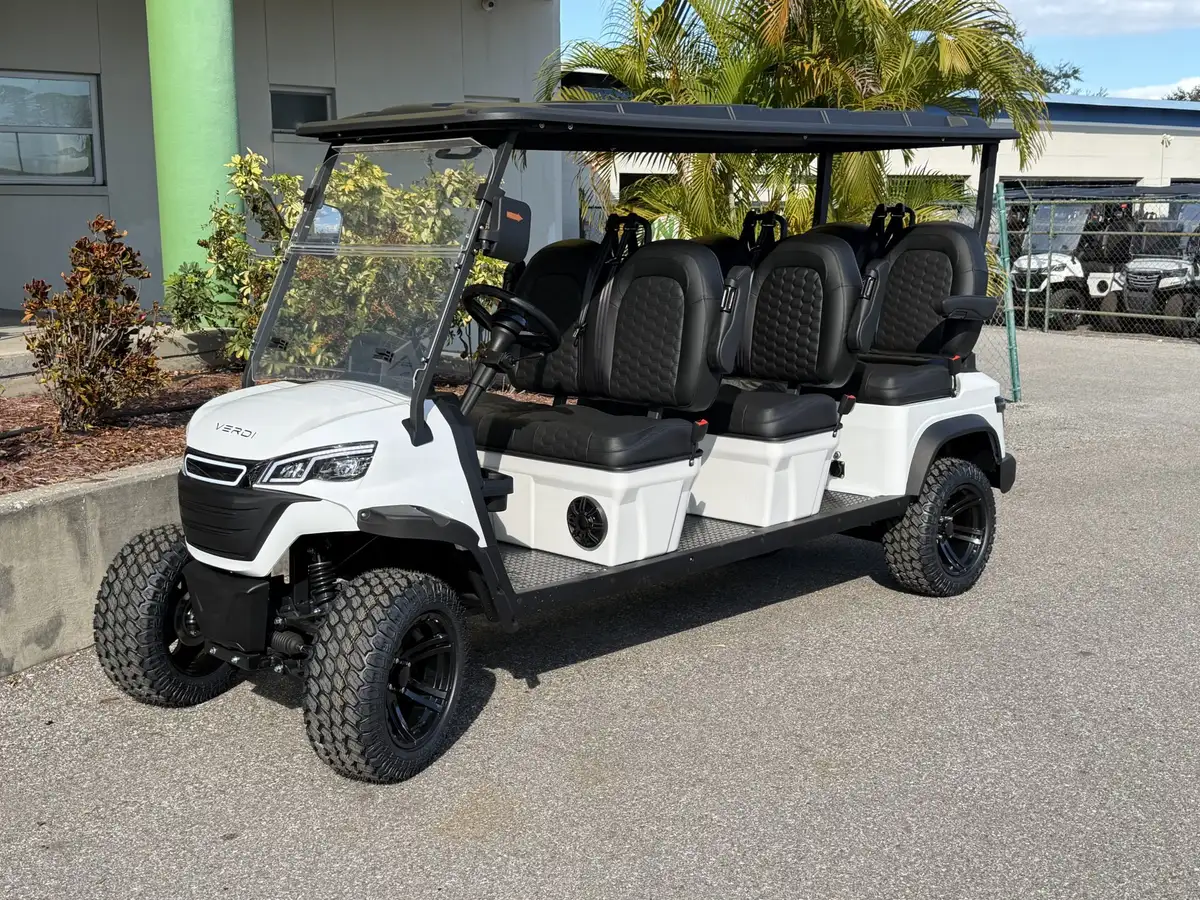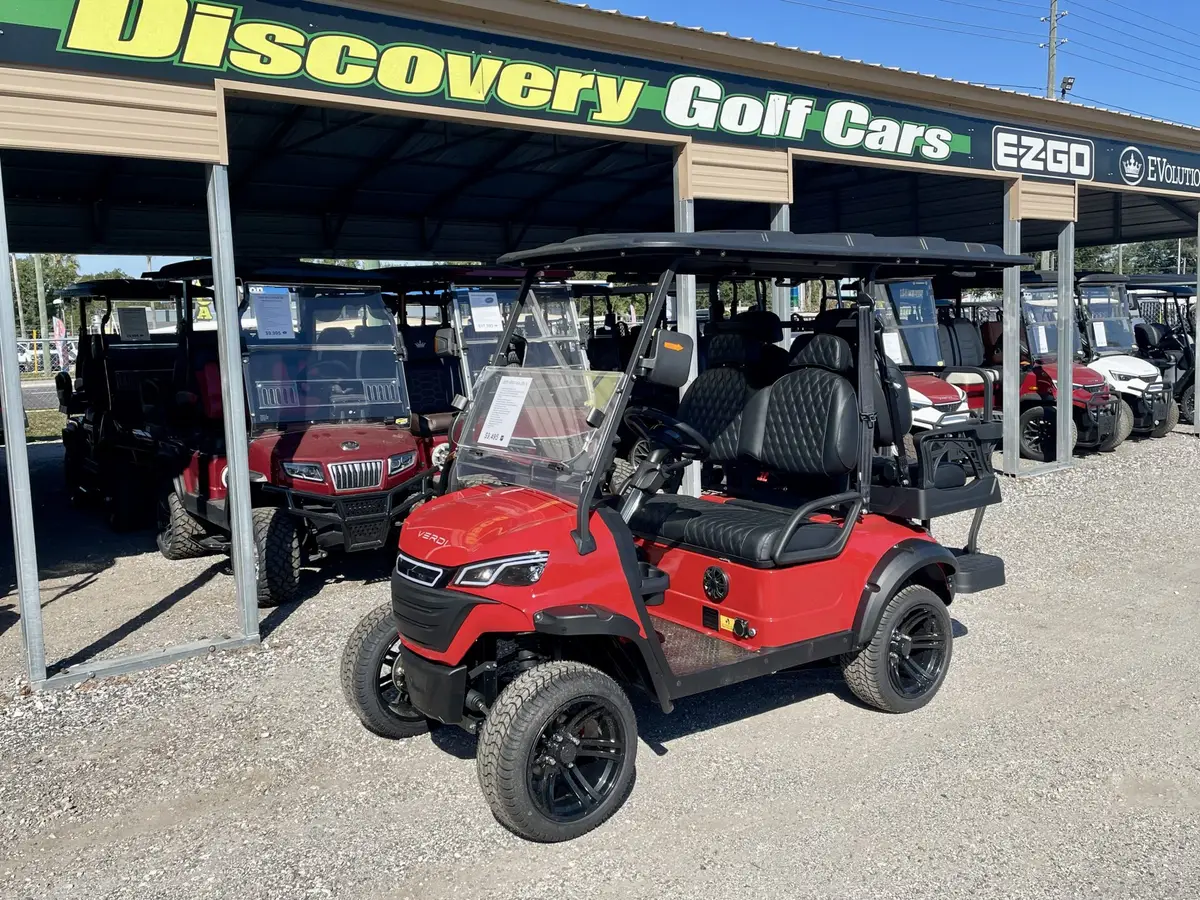
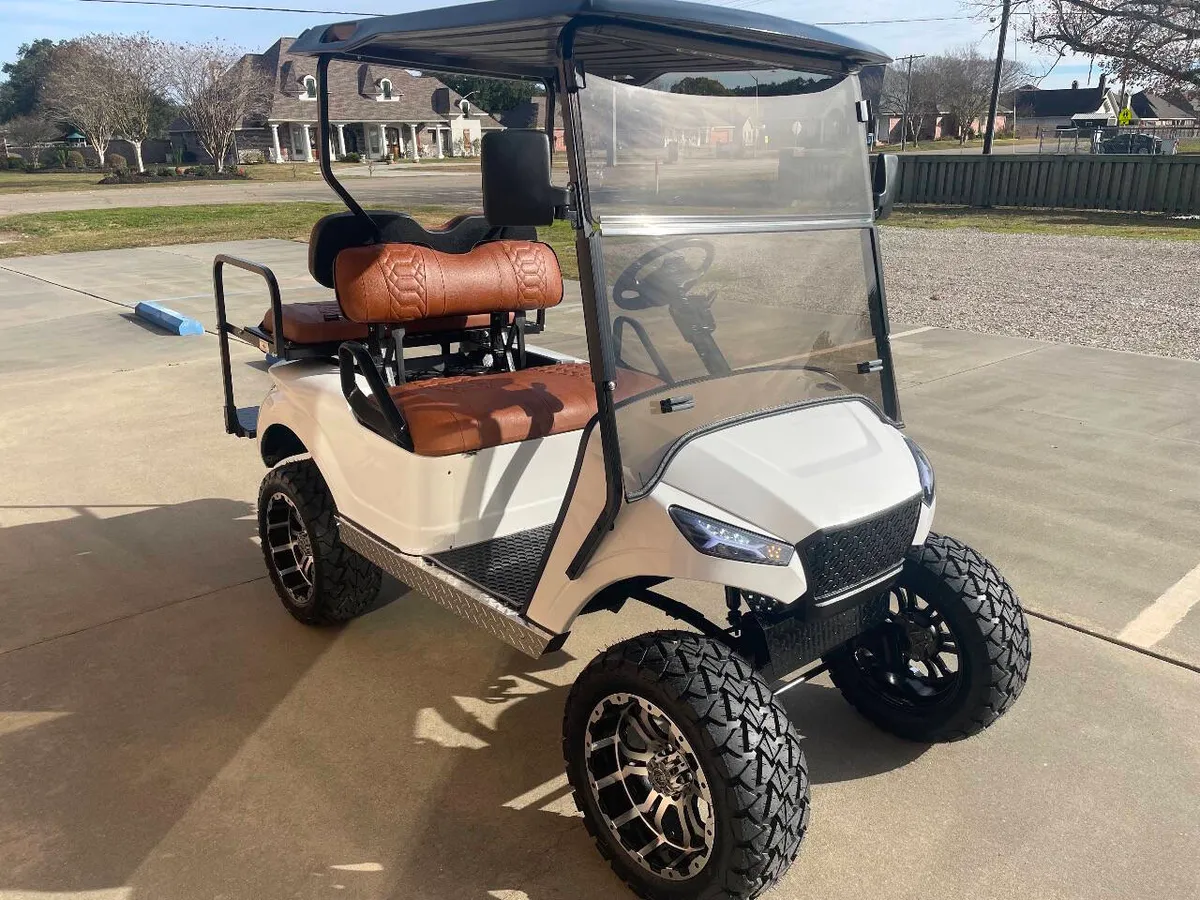
Tennessee's three-tier vehicle classification system
Tennessee law draws a clear line between three types of low-speed electric and gas-powered vehicles: golf carts, Low-Speed Vehicles (LSVs), and Medium-Speed Vehicles (MSVs). Which category your vehicle falls into determines whether you can register it, where you can drive it, and what equipment it must have. Getting this distinction right before you buy or drive is essential.
| Vehicle type | Max speed | VIN required | State registration | Road access | Governing statute |
|---|---|---|---|---|---|
| Golf cart | Under 20 mph | No | Not available | Local ordinance only | TCA 55-1-123 |
| Low-Speed Vehicle (LSV) | 20–25 mph | Yes (17-digit) | Yes | Roads posted 35 mph or less | TCA 55-8-191 |
| Medium-Speed Vehicle (MSV) | 30–35 mph | Yes (17-digit) | Yes | Roads posted 40 mph or less | TCA 55-4-136 / 55-8-191 |
Golf carts (TCA 55-1-123)
Under Tennessee law, a golf cart is a motor vehicle designed for use on a golf course, with a maximum speed under 20 mph. Golf carts do not carry a manufacturer-assigned 17-digit VIN and cannot be titled or registered through the state. They are not street legal under statewide law.
However, individual municipalities may adopt local ordinances that allow golf carts on certain public streets within city limits. Without one of those ordinances in place, driving a golf cart on any public road in Tennessee is illegal.
Low-Speed Vehicles (LSVs)
LSVs are four-wheeled motor vehicles with a top speed greater than 20 mph and no more than 25 mph. They carry a manufacturer-assigned 17-digit VIN, meet federal safety standards under 49 CFR 571.500, and can be titled and registered through your county clerk's office. Once registered, LSVs are street legal on roads posted at 35 mph or less and may cross intersections on roads posted above 35 mph.
Medium-Speed Vehicles (MSVs)
Tennessee is one of very few states that formally recognizes the MSV category. MSVs have a top speed greater than 30 mph and no more than 35 mph, require a 17-digit VIN, and comply with the same federal safety standards as LSVs. They are registerable under TCA 55-4-136 and can operate on roads posted at 40 mph or less, with intersection crossing privileges above that threshold.
That extra 5 mph of road access compared to an LSV opens up a significantly larger network of suburban and semi-rural roads, making MSVs a practical choice for buyers who need more range of travel. Gas-powered MSVs are permitted under Tennessee law, provided all registration and equipment requirements are met.
Tennessee's MSV category is rare nationally. If you're relocating from another state or shopping across state lines, confirm that the vehicle you're considering qualifies as an MSV under Tennessee's specific statutory definitions before completing your purchase.
Street legality by vehicle type
The short answer: LSVs and MSVs are street legal in Tennessee once properly registered. Golf carts are not street legal under state law but may be permitted on local roads through a municipal ordinance. For a broader view of how these rules compare across the country, see our guide to golf cart laws by state.
| Vehicle type | Street legal statewide? | Conditions for street use |
|---|---|---|
| Golf cart | No | Local ordinance required; permitted streets only |
| LSV | Yes (when registered) | Roads posted 35 mph or less; no interstates or controlled-access roads |
| MSV | Yes (when registered) | Roads posted 40 mph or less; no interstates or controlled-access roads |
All three vehicle types are prohibited on interstate highways and controlled-access roads regardless of their registration status. County governments and TDOT also have the authority to restrict specific roads from LSV or MSV use, even when those roads fall within the applicable speed limit thresholds.
Private property and gated communities
Tennessee's road laws apply only to public streets. If you're driving a golf cart on private property, a campground, a resort, or within a gated or HOA community, state road regulations do not govern that use. Your relevant rules come from the property owner or HOA. That said, DUI laws can still apply to private property in some circumstances, so responsible operation always matters.
Municipal golf cart ordinances
Because golf carts cannot be registered at the state level, any street use depends entirely on your city or town adopting a local ordinance. There is no statewide list of which municipalities have done this, so you will need to check with your local government directly.
| City | Ordinance status | Notable requirements |
|---|---|---|
| Knoxville | Ordinance in place | $25 permit fee; proof of liability insurance; vehicle inspection; operator must be at least 18 |
| Nashville | Check locally | Contact Metro Nashville codes or city clerk |
| Memphis | Check locally | Contact Memphis city clerk or police department |
| Chattanooga | Check locally | Contact Chattanooga city clerk |
| Gatlinburg | Check locally | Resort area; confirm current local rules before operating |
| Franklin / Brentwood / Germantown | Check locally | Contact individual city clerk offices |
Knoxville is the best-documented example. Operators must obtain a $25 annual permit from the city, carry proof of liability insurance, pass a vehicle inspection, and be at least 18 years old. Other cities may have entirely different rules, higher fees, or no ordinance at all.
To find your local rules, contact your city clerk's office, check your city's official website, or call your local police department's non-emergency line. Requirements vary significantly from one municipality to the next.
Equipment requirements
Equipment standards differ sharply between golf carts and registered LSVs or MSVs. LSVs and MSVs must meet federal safety standards, while golf carts are subject only to whatever a local ordinance requires.
| Equipment item | LSV / MSV (federal standard) | Golf cart (local ordinance) |
|---|---|---|
| Headlamps | Required | Commonly required locally |
| Stop lamps (brake lights) | Required | Commonly required locally |
| Turn signal lamps | Required | Varies by ordinance |
| Tail lamps | Required | Commonly required locally |
| Reflex reflectors | Required | Commonly required locally |
| Rearview mirrors | Required | Commonly required locally |
| Windshield | Required | Varies by ordinance |
| Seat belts (all positions) | Required | Varies by ordinance |
| Parking brake | Required | Varies by ordinance |
| 17-digit VIN | Required | Not applicable |
LSV and MSV equipment requirements are defined by federal regulation 49 CFR 571.500. These standards are set at the manufacturer level, so if you are buying a new or used LSV or MSV, the vehicle should already meet these specifications. Verify this before purchasing, especially with used vehicles or imports.
Registration and title process
LSVs and MSVs are registered through your county clerk's office, not directly through the state DMV. Golf carts are not registerable at the state level under any circumstance.
What you need to register an LSV or MSV
- Manufacturer's Certificate of Origin (for new vehicles) or an existing title (for used vehicles)
- A completed Low or Medium Speed Vehicle Affidavit (form RV-F16031, available from the Tennessee Department of Revenue)
- Proof of liability insurance
- Payment of applicable title and registration fees (contact your county clerk for the current fee schedule, as amounts vary by county)
The Tennessee Department of Revenue has issued Notice 08-20 for LSV guidance and Notice 08-21 for MSV guidance. These notices clarify classification standards and are useful reference documents if you encounter any questions during the registration process.
Registration fees are set at the county level and are not published as a single statewide figure. Contact your county clerk's office directly for the current title, registration, and any applicable county wheel tax amounts before you go in.
Insurance requirements
Tennessee requires proof of liability insurance on all registered motor vehicles. LSVs and MSVs must be insured before the county clerk will complete registration. Most municipal golf cart ordinances, including Knoxville's, also require proof of liability insurance at the local permit level.
Standard auto insurance policies do not always cover LSVs or MSVs. Some insurers offer specific low-speed vehicle endorsements or standalone policies. Golf cart insurance is also available through several major carriers and may satisfy local ordinance requirements. Contact your insurance provider to confirm coverage applies to your specific vehicle classification before operating on any public road.
Golf cart liability insurance in Tennessee typically runs $75 to $300 per year depending on the carrier, coverage limits, and whether you are insuring a basic golf cart or a fully equipped LSV. LSV and MSV policies may be priced similarly to motorcycle insurance in some cases.
| Vehicle type | Typical annual insurance cost | Notes |
|---|---|---|
| Golf cart | $75 – $300 | Varies by carrier, coverage limits, and vehicle specs |
| LSV / MSV | Comparable to motorcycle insurance | May require a dedicated low-speed vehicle policy or endorsement |
Age and license requirements
| Vehicle type | License required | Minimum age |
|---|---|---|
| LSV | Valid Tennessee driver's license | 16 (intermediate license) |
| MSV | Valid Tennessee driver's license | 16 (intermediate license) |
| Golf cart (under local ordinance) | Varies by municipality | Set by local ordinance (Knoxville: 18) |
LSV and MSV operators must hold a valid Tennessee driver's license. The minimum practical age is 16, when an intermediate license becomes available. A learner's permit at age 15 does not qualify for independent operation on public roads.
For golf carts under a local ordinance, the age requirement is set by the municipality. Knoxville requires operators to be at least 18. Other cities may set a different minimum age or have no specific age floor. Check your local ordinance for the applicable rule.
Converting a golf cart to street legal
Existing golf cart owners often ask whether they can modify their cart to make it street legal. The short answer is: it depends on whether the vehicle has a manufacturer-assigned 17-digit VIN.
The affidavit pathway (form RV-F16381) allows registration as an LSV or MSV only if the vehicle already carries a proper 17-digit VIN from a licensed manufacturer. A standard golf cart does not have this VIN and cannot be assigned one through a DIY conversion.
However, if a licensed manufacturer performs the modification and issues the appropriate documentation, including a new VIN, registration may become possible. Manufacturers such as Tomberlin, STAR EV, and Bintelli produce vehicles that are built from the ground up as street-legal LSVs or MSVs. Buying directly from one of these manufacturers eliminates the conversion question entirely.
DIY conversions do not qualify for LSV or MSV registration in Tennessee. Adding lights and a windshield to a standard golf cart does not change its legal classification. If street legality is your goal, the most reliable path is purchasing a purpose-built LSV or MSV from a licensed manufacturer.
DUI laws and enforcement
Tennessee DUI statutes apply to golf carts operating on public streets under a local ordinance, as well as to registered LSVs and MSVs. The type of vehicle does not reduce the legal consequences. If you are impaired while operating any of these vehicles on a public road, you can be charged with a DUI.
Penalties for unlawful operation
Operating an unregistered golf cart on a public road where no local ordinance exists can result in a traffic citation. Specific fine amounts vary by jurisdiction and are assessed at the local court level. Operating without the required permit under a local ordinance, such as Knoxville's, can also result in fines and loss of permit privileges.
Driving an LSV or MSV on a road that exceeds its authorized speed limit threshold is a traffic violation. Counties and TDOT have the authority to post restrictions on specific roads, and violating those restrictions carries the same legal exposure as any other moving violation.
Frequently asked questions
Are golf carts street legal in Tennessee?
Not under statewide law. Golf carts can only operate on public streets if your municipality has adopted a local ordinance permitting it. Without that ordinance, driving a golf cart on any public road is illegal.
What is the difference between a golf cart, LSV, and MSV in Tennessee?
The main differences are speed and registration status. Golf carts top out under 20 mph and cannot be registered. LSVs reach 20–25 mph and are registerable. MSVs reach 30–35 mph and are also registerable. LSVs and MSVs both require a 17-digit VIN and must meet federal safety standards. If you're comparing options before buying, our golf cart buying guide covers what to inspect and evaluate.
How do I register an LSV or MSV in Tennessee?
Visit your county clerk's office with your Manufacturer's Certificate of Origin or existing title, a completed RV-F16031 affidavit, proof of liability insurance, and payment for applicable fees.
Can a county ban LSVs or MSVs from certain roads?
Yes. County governments and TDOT have authority to restrict specific roads from LSV or MSV use, even if those roads fall within the applicable speed limit thresholds.
Can I drive a gas-powered MSV in Tennessee?
Yes. Tennessee law does not restrict MSVs to electric power. Gas-powered MSVs are permitted provided the vehicle meets all registration and equipment requirements.
Can you get a DUI on a golf cart in Tennessee?
Yes. DUI laws apply to golf carts operating on public streets under a local ordinance, just as they apply to LSVs and MSVs. The vehicle type does not affect the charge or its consequences.
Do I need a driver's license to drive an LSV or MSV in Tennessee?
Yes. A valid Tennessee driver's license is required to operate an LSV or MSV on public roads. The minimum age is 16, when an intermediate license is issued.
Do I need insurance for a golf cart in Tennessee?
State law does not require insurance on golf carts since they are not registerable. However, most municipal ordinances that permit golf cart street use require proof of liability insurance. Knoxville's ordinance is one example.
Can I convert my golf cart into a street-legal LSV or MSV?
Only if the vehicle carries a manufacturer-assigned 17-digit VIN. Standard golf carts do not have this, and DIY conversions do not qualify. A licensed manufacturer performing the modification with proper documentation may allow registration, but purchasing a purpose-built LSV or MSV is the more straightforward path.
What happens if I drive an unregistered golf cart on a public road?
You risk a traffic citation and potential fines enforced at the local court level. If your municipality has a permit program and you operate without the required permit, additional penalties may apply, including loss of permit eligibility.