
Your Ultimate Guide to Golf Carts
Guides, pricing breakdowns, and buying advice for golf carts.
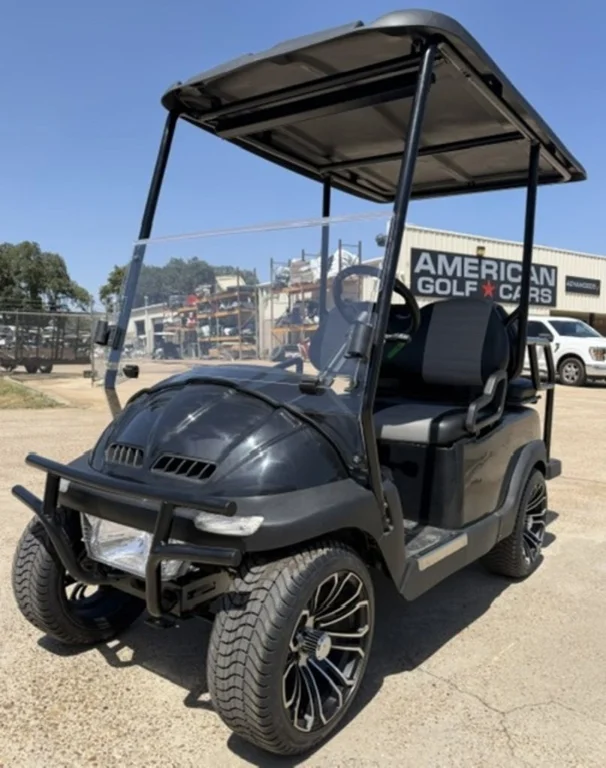
Advanced EV Golf Carts: Buyer's Guide to Models and Support
Advanced EV (AEV) offers a competitive lineup of electric golf carts starting at $8,299, all featuring standard 51.2V lithium batteries, AC motors, and a 5-year warranty that outpaces most rivals. Models range from the 2-passenger Advent 2 to the 6-passenger Advent 6L, with premium options like the Horizon adding RFID keyless start, WetSound audio, and optional electric power steering. This guide covers every model, powertrain specs, customization options, real owner feedback, and a head-to-head comparison against Club Car and E-Z-GO to help you make an informed purchase decision.
August 25, 2026
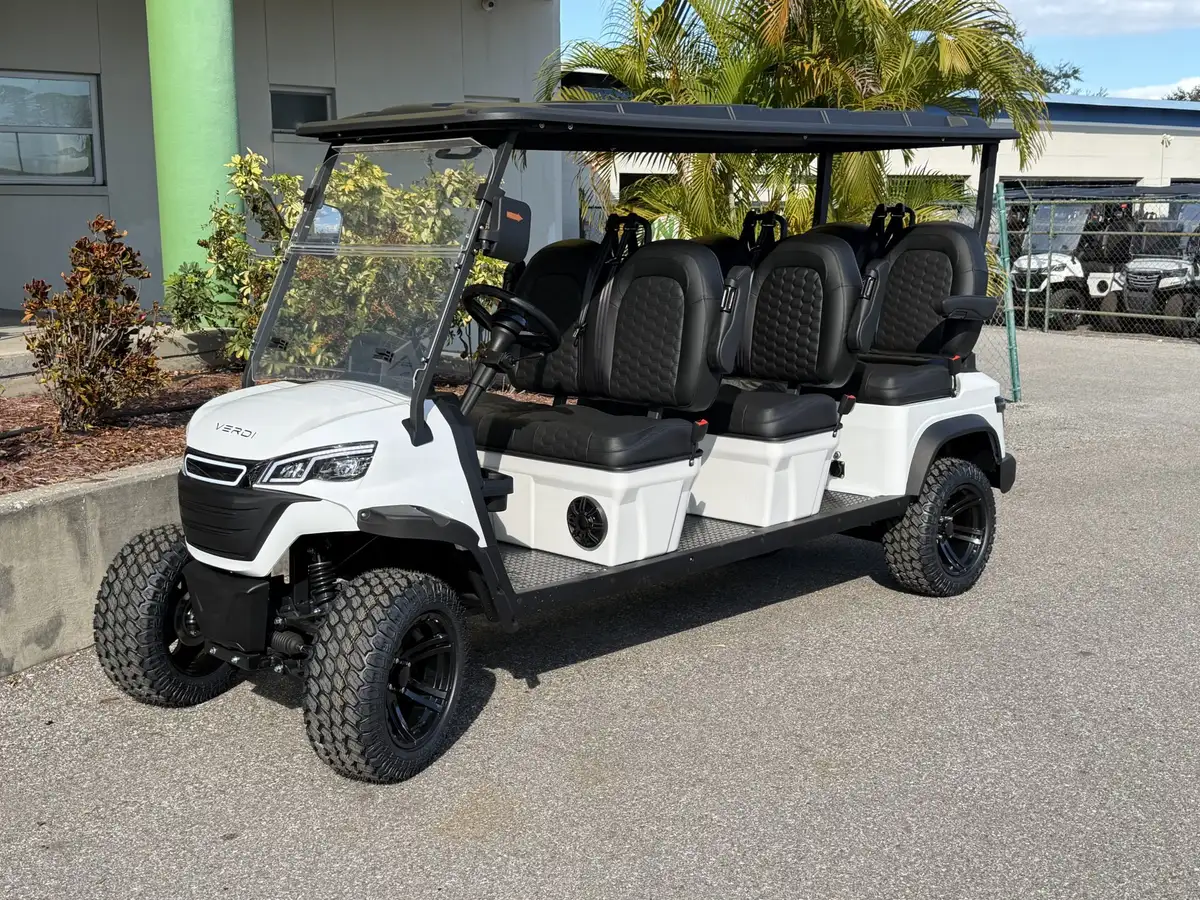
Evolution Golf Carts: Models, Pricing, and Honest Buyer Advice
Evolution Electric Vehicles offers two main golf cart series—the D5 (starting at $8,695) and the premium D-Max (starting at $13,595)—all with standard lithium batteries, touchscreen infotainment, and LSV-ready safety equipment. The brand's core appeal is delivering more features per dollar than Club Car, E-Z-GO, or Yamaha at comparable price points. Prospective buyers should weigh Evolution's strong upfront value against the legacy brands' deeper parts networks, longer durability track records, and more predictable resale values. Dealer quality varies significantly, making local dealer research a critical step before purchase.
August 25, 2026
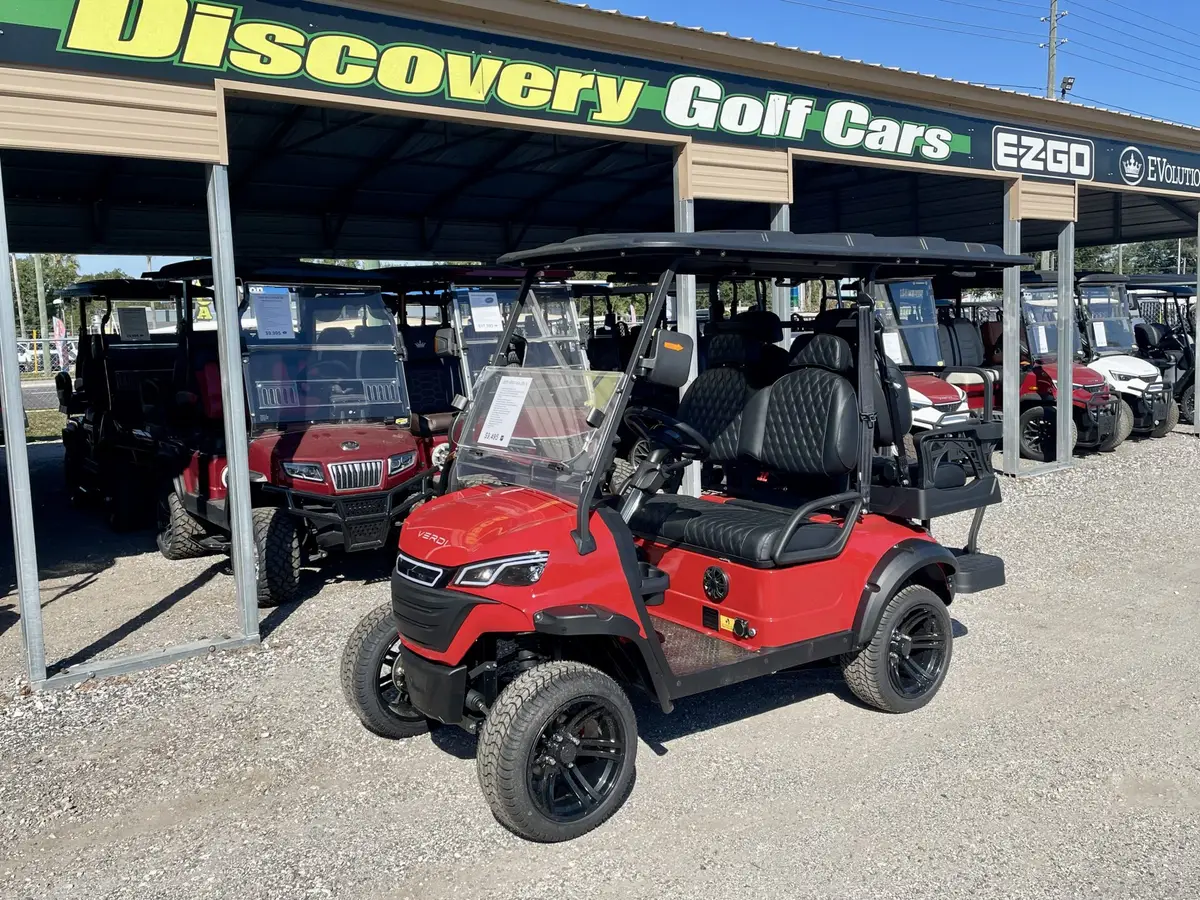
Golf Cart Financing: Loan Options, Costs, and Approval Questions
Golf cart financing works like an auto loan, with rates ranging from 0% on manufacturer promotions to 6.99%+ through powersports lenders like RoadRunner Financial. Most buyers can qualify with a credit score of 550 or higher, and loan terms typically run 24 to 84 months. This guide covers lender types, interest rates, credit requirements, new vs. used cart financing, and how to apply.
August 25, 2026
Minnesota Golf Cart Laws: Local Road Use and Requirements
In Minnesota, golf carts are only street legal in communities that have passed a local ordinance under Statute 169.045—there is no statewide permission. Operators must obtain a local permit, carry liability insurance, and display a slow-moving vehicle emblem at minimum. Low-speed vehicles (LSVs) follow a separate framework, requiring state registration, a manufacturer VIN, and full federal safety equipment compliance for access to any road posted 35 mph or less.
August 25, 2026
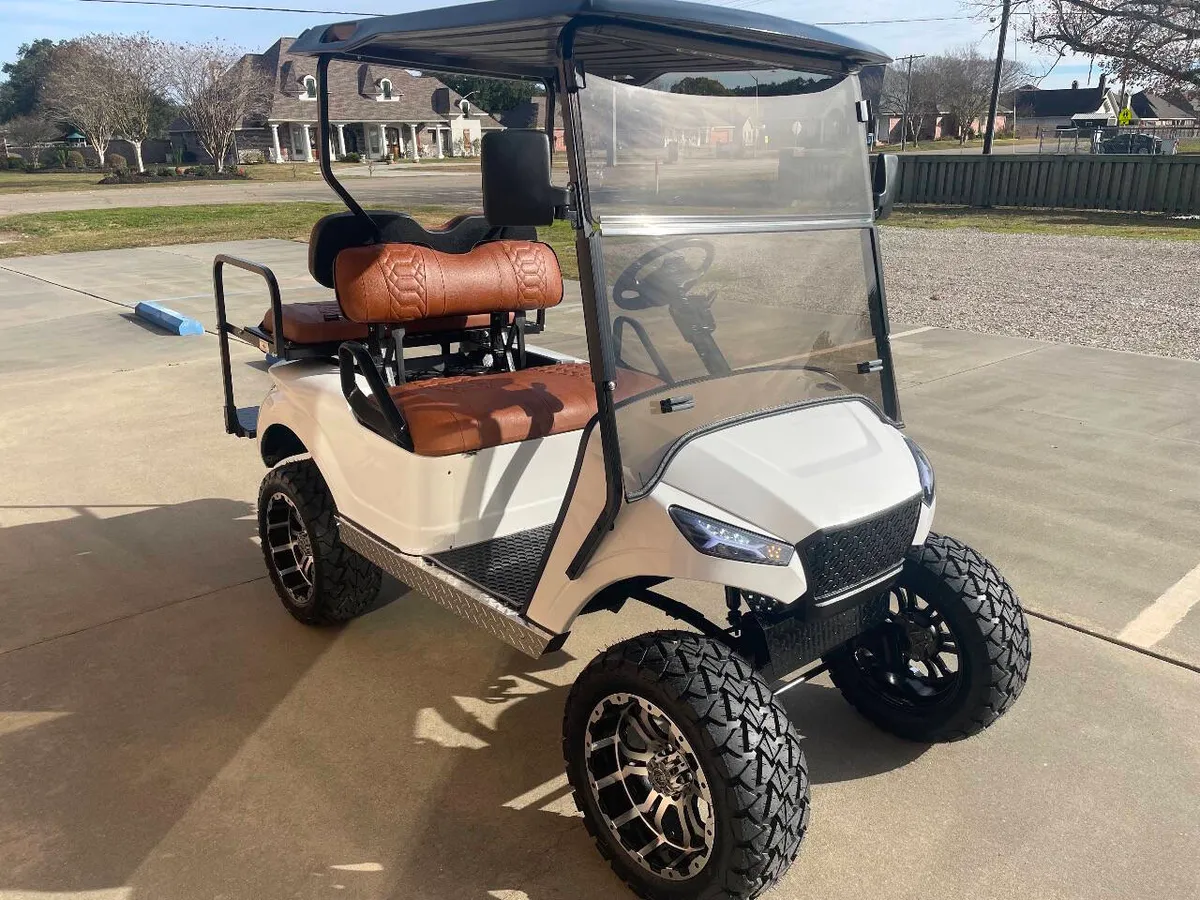
New York Golf Cart Laws: Street Legality and Local Rules
In New York, standard golf carts are not street legal on any public road—only factory-certified Low-Speed Vehicles (LSVs) with a 17-digit VIN can be registered and driven on roads posted at 35 mph or under. LSVs require liability insurance, PIP coverage, and a valid driver's license to operate legally. Golf carts are permitted on private property, golf courses, and certain gated communities, but no local ordinance can override state law to allow them on public roads.
August 25, 2026
Delaware Golf Cart Laws: Road Use and Local Requirements
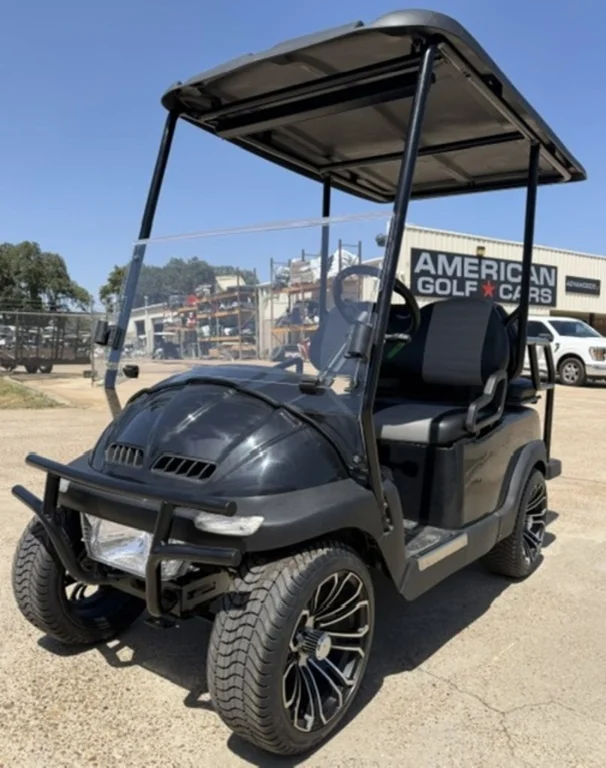
Delaware law prohibits standard golf carts from operating on public roads, permitting only factory-built Low-Speed Vehicles (LSVs) that meet federal FMVSS 571.500 standards. LSVs must be registered with the Delaware DMV, carry state-minimum liability and PIP insurance, and are restricted to roads posted at 35 mph or under. Some municipalities, including Delaware City and several beach towns, have local ordinances that may allow golf cart use under separate registration requirements.
August 25, 2026
Maryland Golf Cart Laws: Road Use and Local Requirements
Maryland golf cart law changed significantly on October 1, 2024, when SB316 gave every county and municipality the authority to pass local ordinances permitting golf cart road use. Golf carts are not automatically street legal statewide—legality depends on whether your jurisdiction has adopted an ordinance. The article covers key differences between golf carts and Low-Speed Vehicles (LSVs), required equipment, registration exemptions, insurance considerations, age and license rules, and how to find out if your county has enacted a local ordinance.
August 25, 2026
Georgia Golf Cart Laws: Street Use and Local Path Rules
Georgia law divides small electric vehicles into three categories—golf carts, Personal Transportation Vehicles (PTVs), and Low-Speed Vehicles (LSVs)—each with distinct road access rules, equipment requirements, and registration obligations. PTVs can only operate on public roads in municipalities with an active local ordinance, and are restricted to roads posted at 25 mph or less, while LSVs can use roads up to 35 mph once titled and registered with the state. Drivers should also be aware that Georgia treats all three vehicle types as motor vehicles for DUI enforcement, and local rules vary significantly between cities like Peachtree City, Covington, and Tybee Island.
August 25, 2026
Connecticut Golf Cart Laws: Road Use and Local Requirements
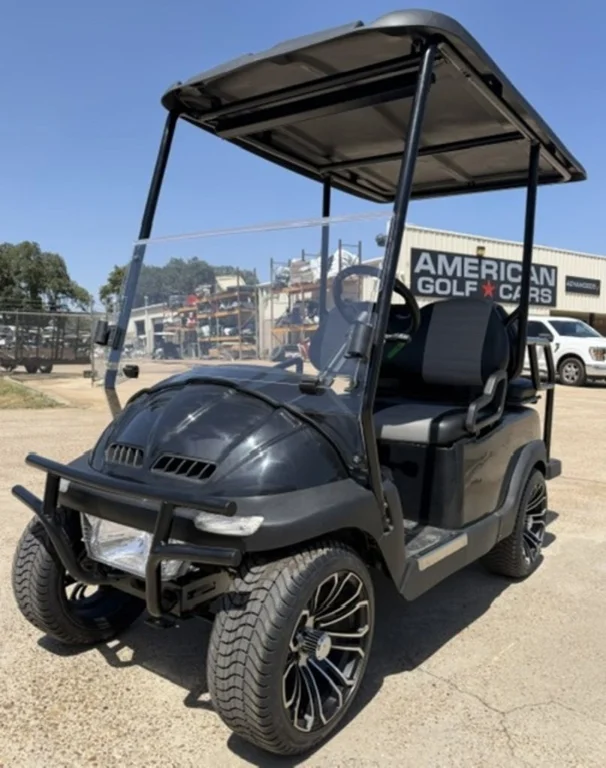
In Connecticut, golf carts are not street legal by default—municipalities must pass a local ordinance under CGS §14-300g before golf carts can operate on public roads. Low-speed vehicles (LSVs) follow a separate state DMV registration process and are permitted statewide on roads posted at 25 mph or less. Both vehicle types require a valid driver's license, liability insurance, and the operator must be at least 16 years old. Local requirements vary widely, so drivers should always verify rules with their town clerk or police department before hitting the road.
August 25, 2026
New Hampshire Golf Cart Laws: Road Use and Local Requirements
Standard golf carts are not street legal on any public road in New Hampshire, with no local exemption or permit pathway available. However, factory-built Neighborhood Electric Vehicles (NEVs) and Low-Speed Utility Vehicles (LSVs) can be registered with the NH DMV for use on roads posted at 35 mph or less. This guide covers vehicle classifications, required safety equipment, registration steps, insurance requirements, and penalties for violations under current New Hampshire law.
August 25, 2026
Rhode Island Golf Cart Laws: Road Use and Local Requirements
In Rhode Island, golf carts are not street legal on any public road under any circumstance, but the state's 2023 legislation (implemented in 2024) created a statewide framework allowing factory-certified low-speed vehicles (LSVs) to be registered and operated on roads with posted speed limits of 35 mph or less. LSVs must carry a 17-digit VIN, meet federal safety standards under 49 CFR 571.500, be registered with the RI DMV, and carry state minimum liability insurance. Municipalities retain the authority to further restrict LSV access on specific local roads.
August 25, 2026
Arizona Golf Cart Laws: Street Use, Equipment, and Local Rules
In Arizona, golf carts are street legal on roads posted at 35 mph or under under ARS 28-777, but drivers must register the cart, carry liability insurance, hold a valid driver's license, and equip the cart with headlights, turn signals, seat belts, and other safety gear. Arizona defines a golf cart as a vehicle under 1,800 lbs with a top speed of 25 mph or less and a maximum of four occupants. Local communities like Sun City and Scottsdale have additional rules, and DUI laws apply to golf cart operation on public roads just as they do to standard vehicles.
August 25, 2026