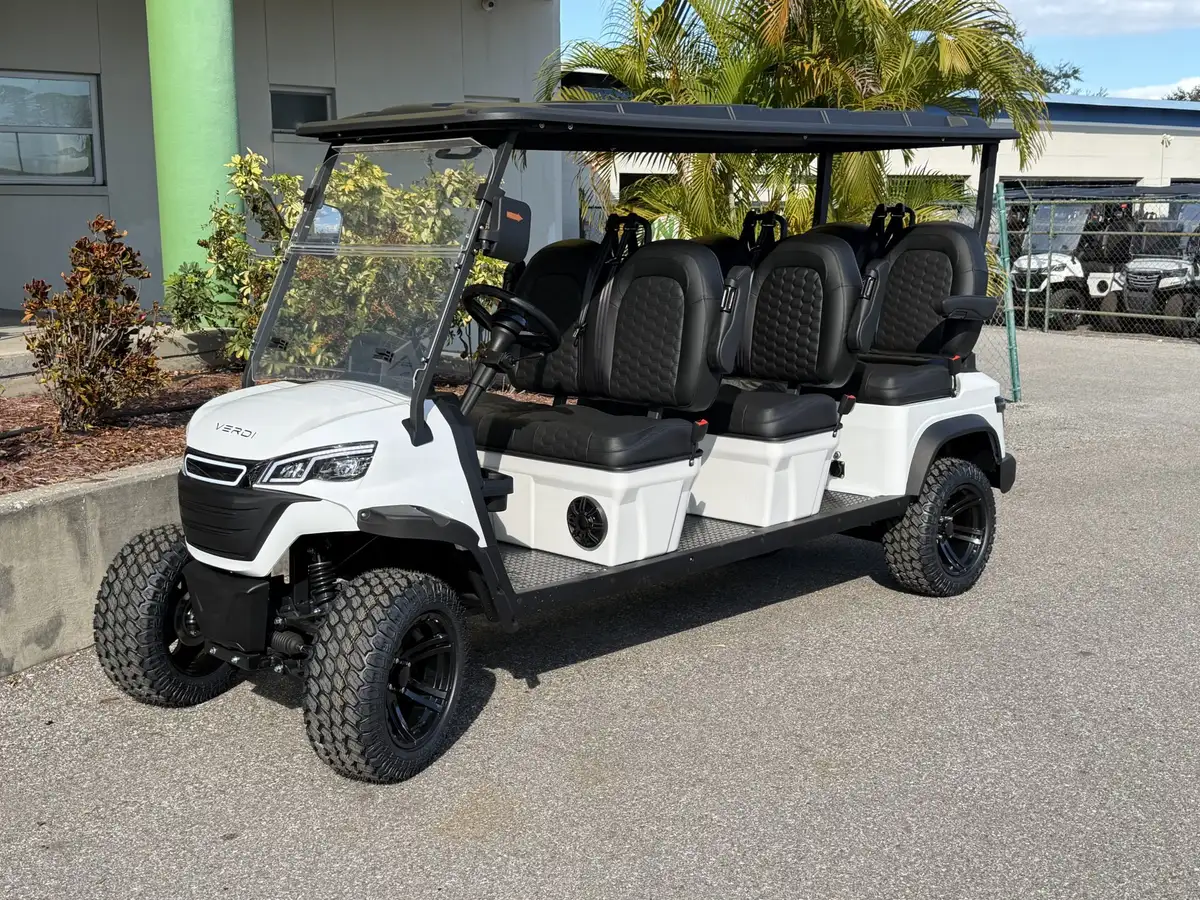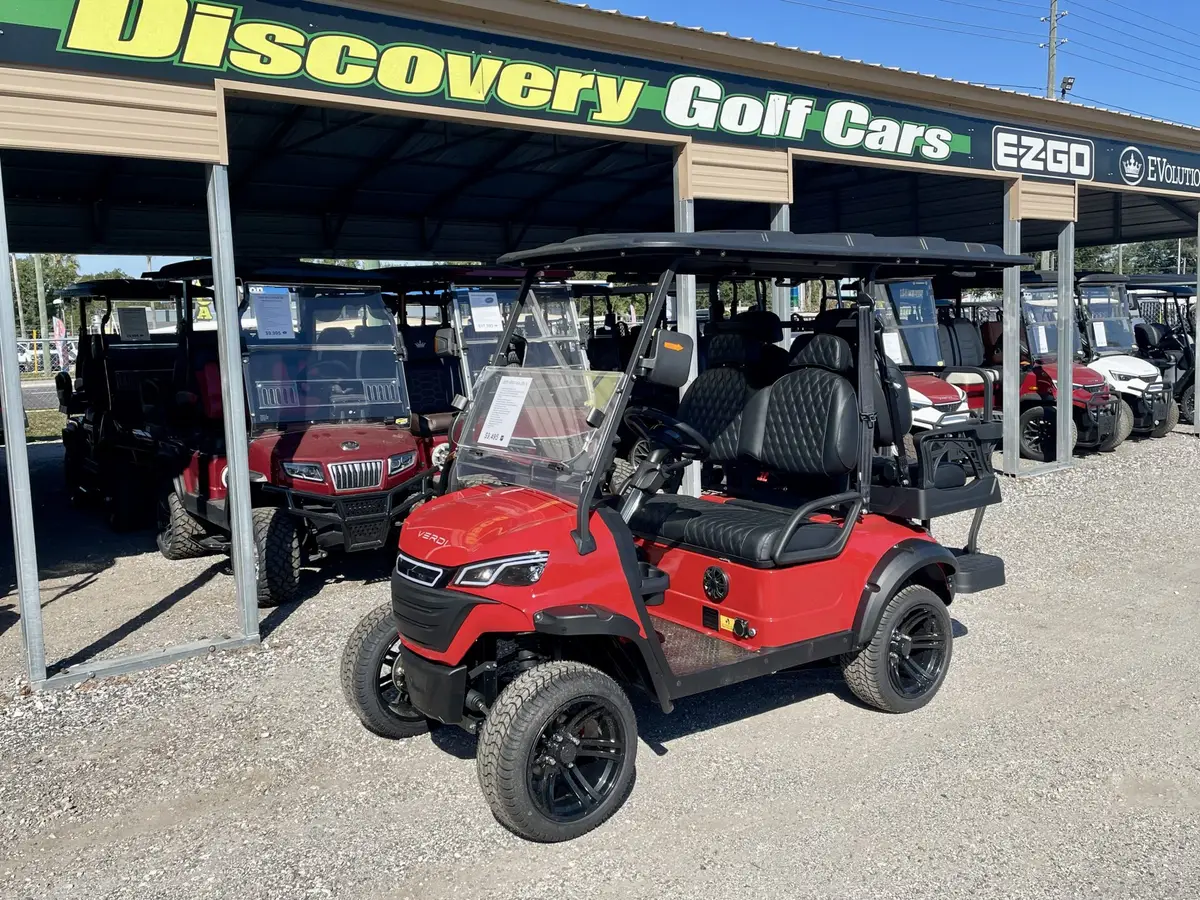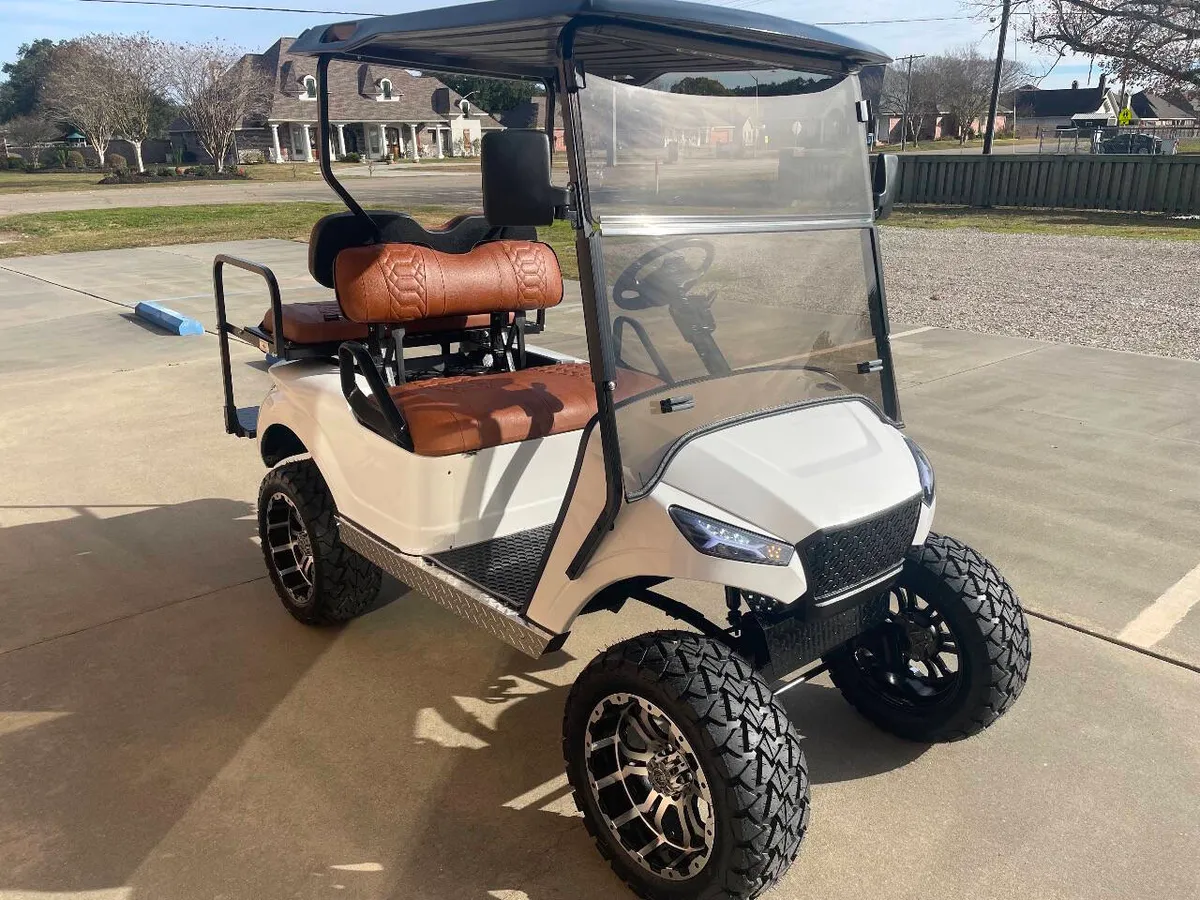
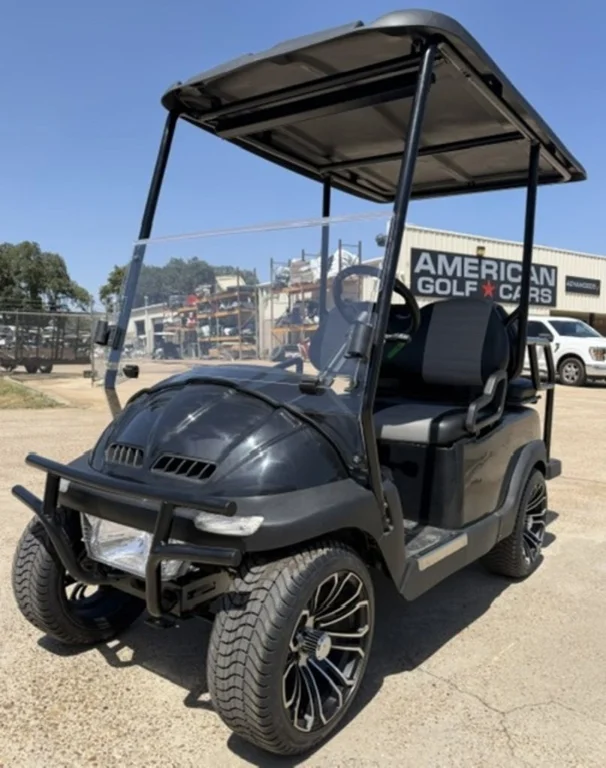
Are golf carts street legal in New Hampshire?
Standard golf carts are not street legal on any public road in New Hampshire. Unlike many states that allow municipalities to create local exemptions, New Hampshire has no local ordinance pathway and no permit system that changes this. If you own a golf cart, it belongs on private property, a golf course, or an off-road recreational area only.
That said, two road-legal alternatives exist: Neighborhood Electric Vehicles (NEVs) and Low-Speed Utility Vehicles (LSVs). These factory-built vehicles carry a 17-digit VIN, meet federal safety standards, and can be registered with the New Hampshire DMV for use on roads posted at 35 mph or less.
This article reflects New Hampshire law as of 2025. Laws can change. Always verify current requirements with the New Hampshire DMV or a licensed attorney before operating any low-speed vehicle on public roads.
How New Hampshire classifies these vehicles
New Hampshire law draws sharp distinctions between vehicle types. The category your vehicle falls into determines everything: road access, registration, insurance, and licensing requirements. The central gating factor is whether the vehicle carries a manufacturer-assigned 17-digit VIN.
| Vehicle type | Power source | Top speed | VIN required | Road legal | Registration required |
|---|---|---|---|---|---|
| Standard golf cart | Electric or gas | Typically under 20 mph | No | No | No |
| Neighborhood Electric Vehicle (NEV) | Electric only | Greater than 20 mph, up to 25 mph | Yes (17-digit) | Yes (35 mph roads) | Yes |
| Low-Speed Utility Vehicle (LSV/LSUV) | Gas, diesel, or electric | 20–25 mph | Yes (17-digit) | Yes (35 mph roads, 25-mile radius) | Yes |
Standard golf cart
A standard golf cart has no VIN, cannot be registered with the New Hampshire DMV, and has no legal pathway to public road use. There is no workaround, no local exemption, and no permit that changes this. Use is limited to private property and golf courses.
Neighborhood Electric Vehicle (NEV)
Defined under RSA 259:66-b, an NEV is a four-wheeled electric vehicle with a top speed greater than 20 mph but not exceeding 25 mph. NEVs must comply with 49 CFR 571.500 federal safety standards and carry a 17-digit manufacturer-assigned VIN. These vehicles can be registered as motor vehicles and driven on roads posted at 35 mph or less. Interstate highways are prohibited.
Low-Speed Utility Vehicle (LSV/LSUV)
An LSV is similar to an NEV but can run on gas, diesel, or electricity and typically features a utility-style body design. In addition to the 35 mph road restriction, LSVs in New Hampshire are subject to a 25-mile geographic radius restriction, meaning they can only operate within 25 miles of the owner's residence or business. They must also be registered as motor vehicles.
Where you can and cannot drive
Road access rules depend entirely on vehicle classification. NEVs and LSVs open up meaningful road access; standard golf carts do not.
| Location type | Golf cart | NEV | LSV/LSUV |
|---|---|---|---|
| Private property | Yes | Yes | Yes |
| Golf course | Yes | Yes | Yes |
| Public roads, 35 mph or less | No | Yes | Yes (within 25-mile radius) |
| Public roads, over 35 mph | No | No | No |
| Interstate highways | No | No | No |
| Crossing a public road (e.g., to reach a golf course) | Not authorized by statute | Permitted if registered | Permitted if registered |
One question that comes up frequently is whether a golf cart can cross a public road to access an adjacent golf course. No New Hampshire statute explicitly authorizes this for unregistered golf carts. In practice, some courses have informal crossing arrangements with local authorities, but there is no legal protection for doing so.
Required safety equipment
To register an NEV or LSV with the New Hampshire DMV, the vehicle must meet the federal 49 CFR 571.500 standard. Factory-built NEVs and LSVs from reputable manufacturers arrive already compliant. The required equipment includes:
- Headlamps
- Front and rear turn signal lamps
- Tail lamps
- Stop/brake lamps
- Rear reflectors
- ANSI-compliant windshield
- Seat belts at every seating position
- Parking brake
- 17-digit manufacturer-assigned VIN
Adding lights, mirrors, and seat belts to a standard golf cart does NOT make it street legal in New Hampshire. The VIN must be manufacturer-assigned. No DMV process exists to assign a VIN to a converted cart.
Registration process
NEVs, LSVs, and Low-Speed Utility Vehicles must all be registered with the New Hampshire DMV as motor vehicles before they can legally operate on public roads. Standard golf carts cannot be registered for road use.
| Step | What's required |
|---|---|
| 1. Gather documentation | Manufacturer's Certificate of Origin (MCO) or title, proof of NH address, proof of insurance |
| 2. Confirm VIN compliance | Vehicle must carry a 17-digit manufacturer-assigned VIN |
| 3. Visit a DMV office | Bring all documents to a NH DMV location |
| 4. Pay registration fees | Fees vary by vehicle weight and type; contact DMV for current rates |
| 5. Receive license plates | Standard motor vehicle plates issued upon approval |
New Hampshire registration fees for low-speed vehicles are assessed similarly to standard motor vehicles, based on weight class. Contact the NH DMV directly for current fee schedules, as rates are subject to change.
Insurance requirements
Registered NEVs and LSVs are subject to the same New Hampshire auto insurance requirements as standard motor vehicles. Proof of insurance must be provided at registration and maintained while the vehicle is operated on public roads.
| Vehicle type | Insurance requirement | Estimated annual cost |
|---|---|---|
| Registered NEV or LSV | Standard NH auto insurance required | $200 – $600 per year (varies by insurer and coverage level) |
| Standard golf cart (private property) | No state requirement; may fall under homeowner's policy | Varies; check with your insurer |
If you use a golf cart exclusively on private property, your homeowner's insurance policy may provide some liability coverage, but this varies significantly by policy. Contact your insurer directly to confirm what is and is not covered before assuming protection exists. For a broader look at your options, see our guide to golf cart insurance coverage.
For NEVs and LSVs, standard auto insurance carriers typically offer coverage. Because these vehicles travel at low speeds and are limited to lower-traffic roads, premiums tend to be lower than for full-size vehicles, though this varies by driver history, coverage limits, and insurer.
Age and licensing requirements
Operating a registered NEV, LSV, or Low-Speed Utility Vehicle on a New Hampshire public road requires a valid driver's license. The same licensing rules that apply to standard motor vehicles apply here.
- Minimum age: 16 years old
- A valid New Hampshire driver's license (or valid out-of-state license) is required
- Learner's permits may apply under standard licensing rules
- No special endorsement is required beyond a standard driver's license
On private property, no license is legally required to operate a standard golf cart, though property owners and community managers may impose their own age restrictions.
Why converting a golf cart doesn't work
A common question is whether adding lights, mirrors, seat belts, and other safety features to a standard golf cart can make it street legal. In New Hampshire, the answer is no. The state requires a manufacturer-assigned 17-digit VIN, and no DMV process exists to assign one to a converted vehicle after the fact.
Even a thoroughly modified golf cart remains legally off-limits for public road use in New Hampshire. Conversion efforts waste money without delivering legal compliance.
Street-legal alternatives worth considering
If you want a vehicle that qualifies for road use, the right move is purchasing a factory-built NEV or LSV. These arrive with the required VIN, federal safety compliance, and a clear registration pathway. Reputable brands include:
- Star EV
- Epic Carts
- Tomberlin
- GEM (Global Electric Motorcars)
| Vehicle type | Typical price range (new) |
|---|---|
| Standard golf cart | $5,000 – $12,000 |
| Factory-built NEV | $8,000 – $15,000 |
| Factory-built LSV | $10,000 – $20,000+ |
The price premium for a factory-built NEV or LSV over a standard golf cart is real, but it comes with legal road access, a clear registration process, and proper insurance coverage. For buyers who need road use, the comparison is straightforward. If you're still weighing your options, our golf cart buying guide covers what to look for across vehicle types and price points.
Private communities and off-road use
Gated communities, retirement developments, and planned residential communities in New Hampshire often permit golf cart use on internal private roads. These rules are set by the HOA or property manager, not state law, and vary significantly by community.
If you live in a community where golf cart use is common, confirm the rules directly with your HOA before purchasing. Internal community roads that are not public ways may allow golf cart operation regardless of state road restrictions.
Off-road and recreational use
Standard golf carts are generally not permitted on New Hampshire ATV trails or state park trail systems, which are governed by separate off-highway recreational vehicle (OHRV) regulations. A golf cart does not meet the definition of an OHRV under New Hampshire law and lacks the registration pathway for trail access.
Private land, with landowner permission, remains the clearest legal option for recreational golf cart use outside of a golf course setting.
Penalties for violations
Driving an unregistered golf cart on a New Hampshire public road exposes you to real legal consequences. While specific penalties depend on the circumstances and how the violation is charged, potential outcomes include:
- Civil fines for operating an unregistered motor vehicle
- Vehicle impoundment
- Liability exposure in the event of an accident (no insurance, no registration)
- Potential criminal charges if operating under the influence (see DUI section below)
If you are involved in an accident while driving an unregistered golf cart on a public road, you may face significant personal liability. Without proper registration and insurance, there is no coverage protection.
DUI and legal liability
New Hampshire DUI laws clearly apply to registered NEVs and LSVs operating on public roads. The same rules that govern alcohol and impairment for standard vehicle operators apply in full.
For standard golf carts, the legal picture is more complicated. Because golf carts are not supposed to be on public roads in the first place, DUI enforcement in that context is less clearly defined. However, operating any vehicle while impaired on a public way carries legal risk, and law enforcement has discretion in how violations are charged.
On private property, DUI law generally does not apply in the same way, though this depends on the specific circumstances and any applicable local ordinances governing private ways.
Frequently asked questions
Are golf carts street legal in New Hampshire?
No. Standard golf carts are not permitted on any public road in New Hampshire. There is no local exemption, no permit system, and no workaround for unmodified carts.
Can towns or cities in New Hampshire create local golf cart laws?
No. New Hampshire's vehicle classification and road use framework is set at the state level. Individual municipalities cannot create exemptions that allow standard golf carts on public roads. This is notably different from neighboring states — for example, Massachusetts golf cart laws similarly restrict road use, while other states grant broader local authority.
What is the difference between an NEV and a Low-Speed Utility Vehicle?
An NEV (Neighborhood Electric Vehicle) is electric-only, defined under RSA 259:66-b, and is capped at 25 mph. A Low-Speed Utility Vehicle can be gas, diesel, or electric, has a utility-style design, and carries an additional 25-mile geographic radius restriction from the owner's home or business.
Can I convert a golf cart to make it street legal?
No. New Hampshire requires a manufacturer-assigned 17-digit VIN. No DMV process exists to assign a VIN to a converted golf cart. Adding lights and seat belts does not create a legal registration pathway.
Can I drive a golf cart across a public road to reach a golf course?
No New Hampshire statute authorizes this for unregistered golf carts. Some courses may have informal local arrangements, but there is no legal protection for doing so without a registered NEV or LSV.
Can you get a DUI on a golf cart in New Hampshire?
For registered NEVs and LSVs on public roads, yes, DUI laws apply fully. For standard golf carts on public roads (where they should not be), there is legal risk, and law enforcement has discretion. On private property, DUI law is generally less applicable.
What insurance do I need for an NEV or LSV in New Hampshire?
Standard New Hampshire auto insurance is required for registered NEVs and LSVs. Proof of insurance must be provided at registration. Annual premiums typically range from $200 to $600, depending on coverage level and insurer.
What roads can an NEV or LSV use in New Hampshire?
NEVs and LSVs may operate on roads with posted speed limits of 35 mph or less. Interstate highways are prohibited. Low-Speed Utility Vehicles are also restricted to within 25 miles of the owner's residence or business.
Official resources and statute references
- New Hampshire DMV (dmv.nh.gov) - Registration, fees, and licensing information
- New Hampshire General Court (gencourt.state.nh.us) - Full text of RSA 259:66-b and related statutes
- RSA 259:66-b - Statutory definition of Neighborhood Electric Vehicles in New Hampshire
- 49 CFR 571.500 - Federal Motor Vehicle Safety Standards for low-speed vehicles