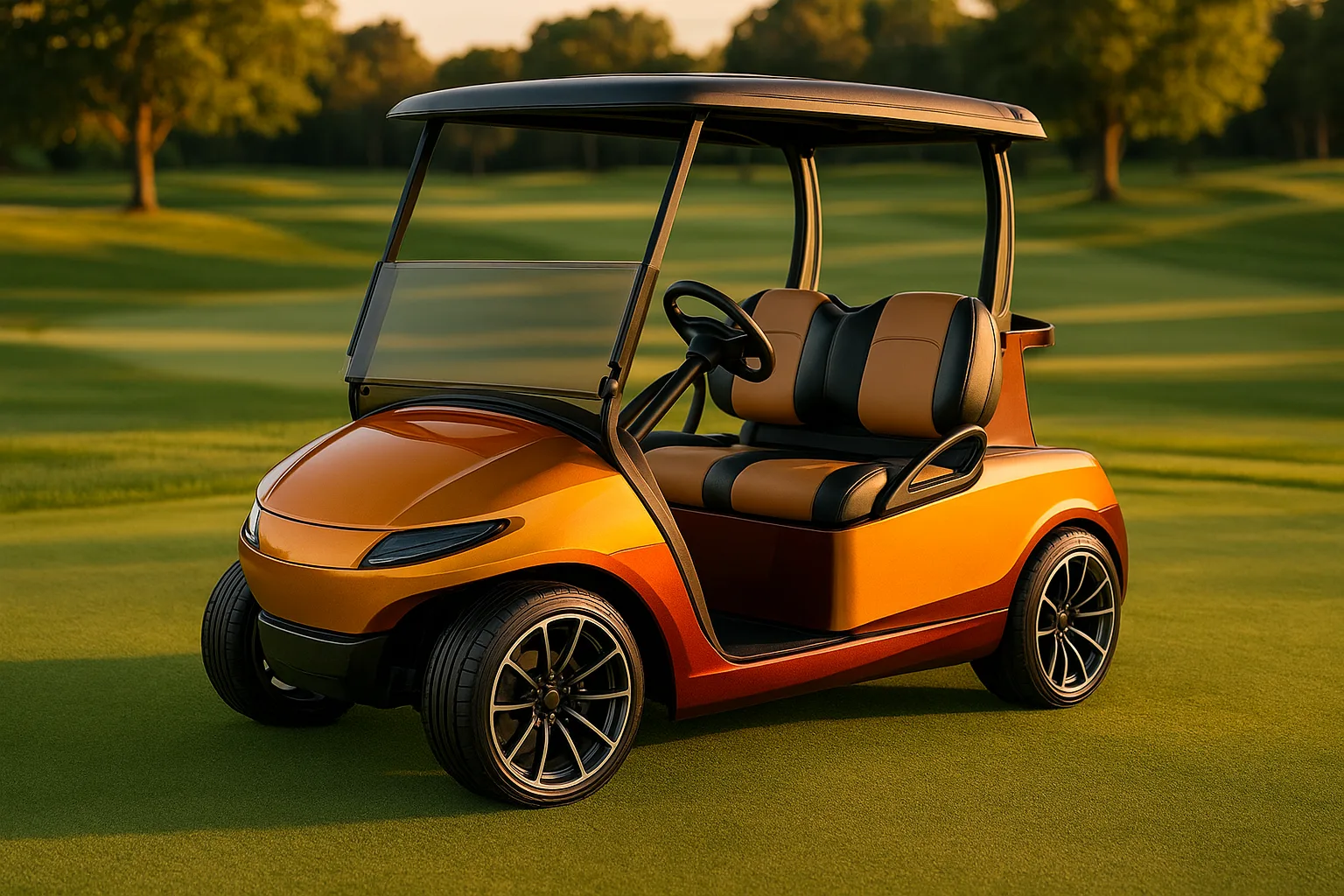
What a custom golf cart body kit includes
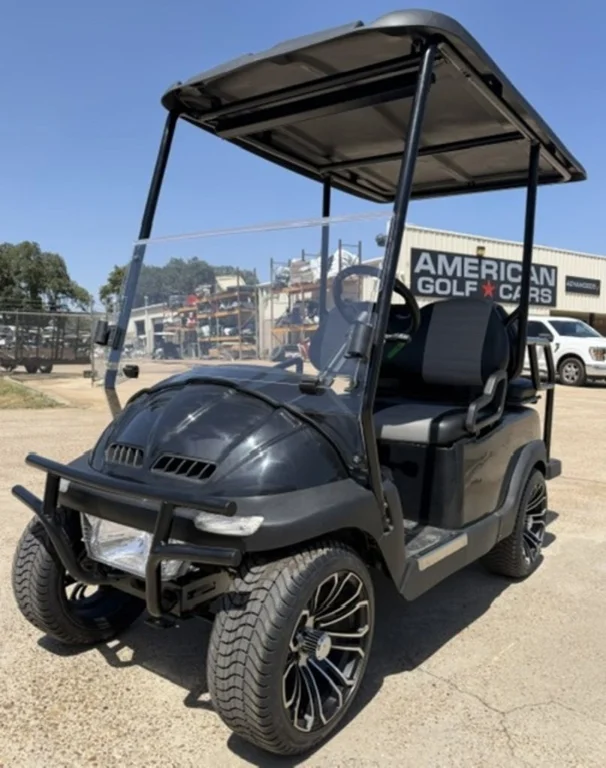
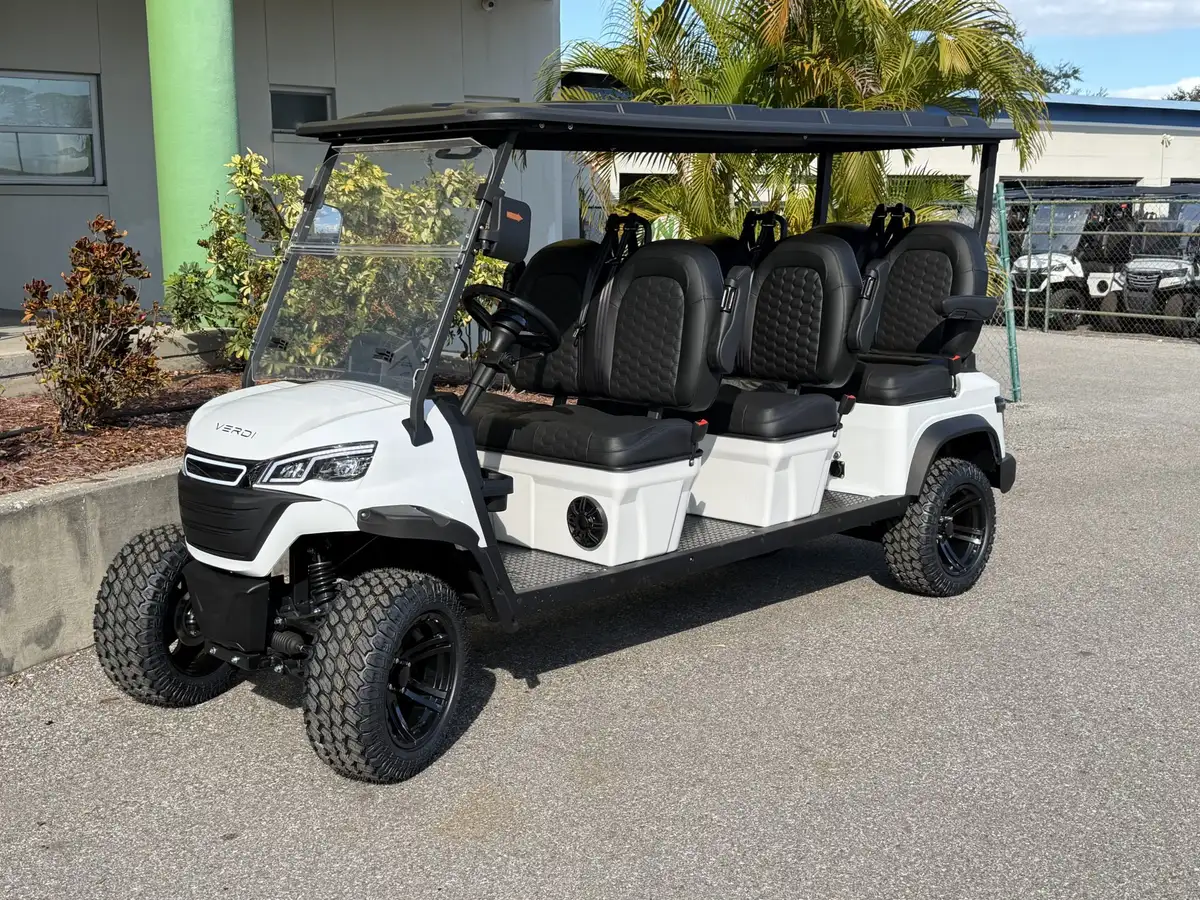
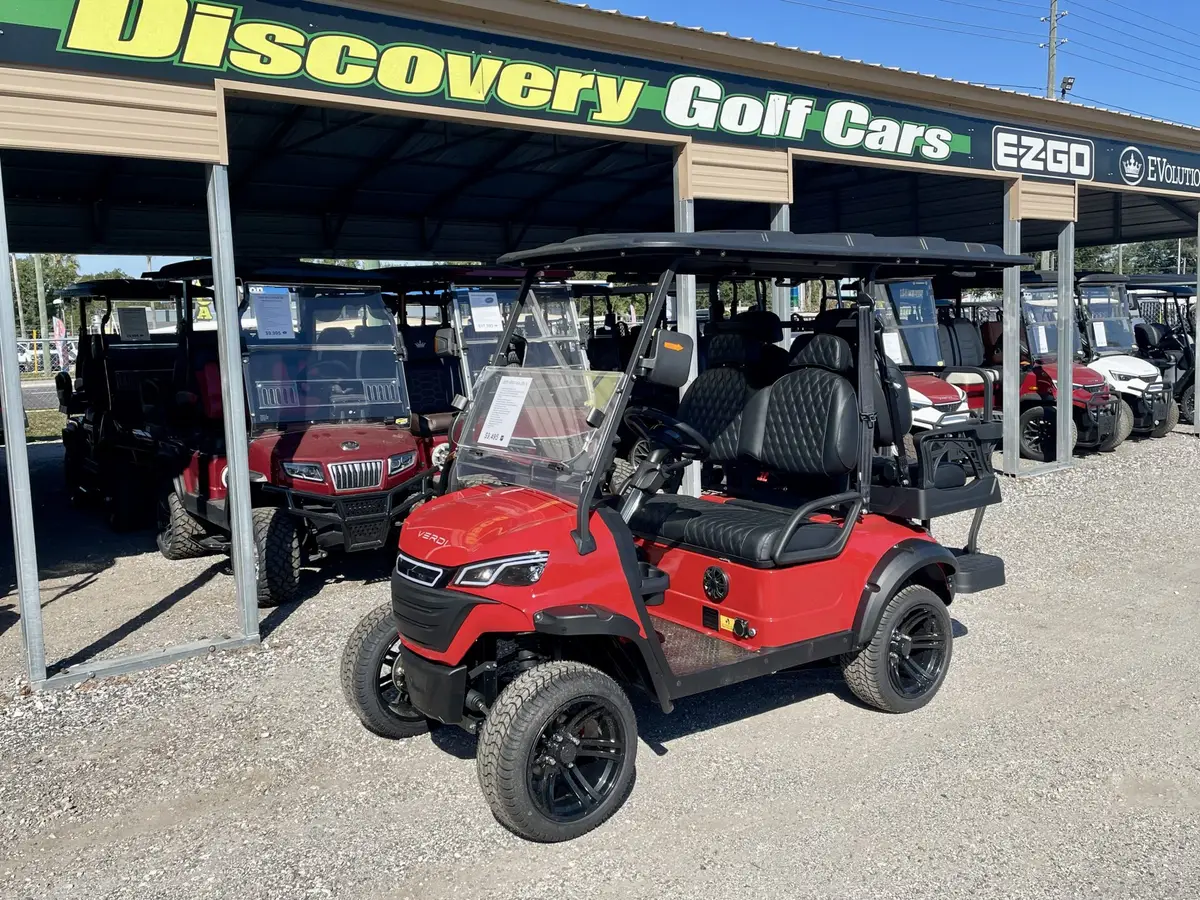
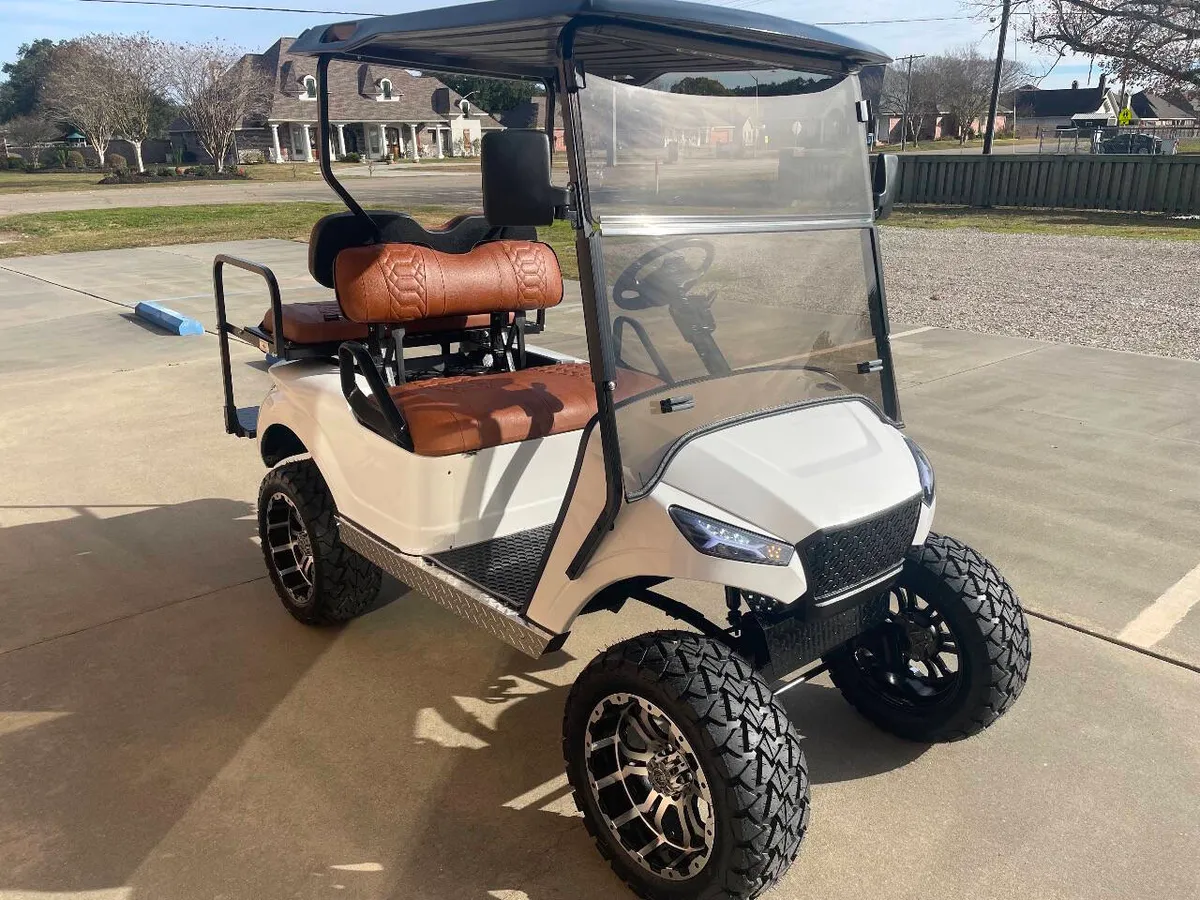
A custom golf cart body kit replaces the factory plastic panels with new pieces that change the cart's entire look, from the front cowl to the rear body and Bagwell close-out panel. Most kits are bolt-on replacements designed for a specific cart model and year range, meaning the panels align with existing mounting points without cutting or fabricating new structure.
| Body option | Best for | Typical cost |
|---|---|---|
| OEM-style replacement panels | Color refresh, factory look | $800 – $850 |
| Aftermarket bolt-on kit (ABS plastic) | Aggressive styling, weekend DIY | $850 – $1,800 |
| Custom fiberglass body | Replica vehicles, premium builds | $2,000 – $4,700+ |
| Vinyl wrap or decals | Color change without panel swap | $200 – $600 |
| Custom paint job | Permanent color, unique finishes | $500 – $2,000+ |
Most aftermarket kits include the front cowl, side body panels, rear body section, and a Bagwell close-out panel. Lighting, hood scoops, grille upgrades, brush guards, and fender flares are typically sold separately, though some mid-range and premium kits bundle a street-legal LED light kit into the package price.
Cart model compatibility: the most important decision
Fitment is the single most critical factor in choosing a body kit. A Club Car DS kit will not mount on a Precedent. A Yamaha Drive kit will not work on a Drive2. Ordering the wrong kit means returning panels, losing time, and potentially paying restocking fees. Always confirm your cart's model name and year before purchasing.
| Cart model | Key year ranges | Important fitment notes |
|---|---|---|
| Club Car DS | 1984+ | Long production run; most brands support this model |
| Club Car Precedent | 2004+ | Pre-2008 vs. 2008+ headlight cutout differs; specify year |
| Club Car Onward / Tempo | 2016+ | Separate kits required; not interchangeable with Precedent |
| EZGO TXT | 1994+ (some kits 2014+) | Confirm whether your kit requires the 2014+ front end |
| EZGO RXV | 2008–2023 | Distinct body shape; TXT kits do not cross over |
| Yamaha Drive / G29 | 2007–2016 | Drive2 (2017+) requires a completely separate kit |
If you are unsure of your cart's model year, locate the serial number plate, usually found under the seat or on the driver-side frame rail, and cross-reference it on the manufacturer's serial number lookup tool. Most dealers will also confirm fitment if you call with the serial number in hand.
Club Car Precedent owners: check whether your cart is pre-2008 or 2008+. The headlight cutout shape changed in 2008, and installing the wrong body will leave gaps or misaligned holes around the front lighting area.
Body kit brands and pricing
The aftermarket body kit market is dominated by two brands: MadJax and DoubleTake. Fiberglass replica bodies come from specialty manufacturers like Melissa's Golf Carts. Each brand targets a slightly different buyer, from budget-conscious refreshers to full custom build enthusiasts.
DoubleTake body kits
DoubleTake kits use color-molded ABS plastic, which means the color runs through the panel rather than sitting only on the surface. This makes chips and scratches far less visible than on painted panels. Their lineup spans entry-level factory-style kits to sport-oriented designs.
| Kit name | Compatible carts | Price range |
|---|---|---|
| Spartan (Club Car DS) | Club Car DS | ~$849 |
| Titan (EZGO TXT) | EZGO TXT | ~$849 |
| Factory (EZGO RXV) | EZGO RXV | ~$850 |
| Factory (Club Car Tempo) | Club Car Tempo | ~$850 |
| Phoenix with LED light kit (EZGO TXT) | EZGO TXT | ~$1,379 |
| Phoenix with LED light kit (EZGO RXV) | EZGO RXV | ~$1,399 |
| Phoenix with LED light kit (Yamaha Drive2) | Yamaha Drive2 | ~$1,396 |
| Phoenix with LED light kit (Club Car Precedent) | Club Car Precedent | ~$1,379 |
| Phantom Standard LED kit (add-on) | Various | ~$270 |
| Phantom Deluxe Street Legal LED kit (add-on) | Various | ~$335 |
MadJax body kits
MadJax occupies the mid-to-premium segment with sport-inspired styling across their Storm, Havoc, Alpha, and Apex lines. Their kits often include integrated LED lighting cutouts and pair with brand-specific accessories like hood scoops and custom grilles.
| Kit name | Compatible cart | Price range |
|---|---|---|
| Alpha (Club Car Precedent, with LED) | Club Car Precedent | ~$1,500 |
| Storm (EZGO TXT) | EZGO TXT | ~$1,650 |
| Apex (EZGO RXV) | EZGO RXV | ~$1,800 |
| Alpha Deluxe Grille (accessory) | Alpha Series | ~$200 |
| Hood scoop, Alpha Series (accessory) | Club Car Precedent | ~$100 |
Fiberglass replica and custom bodies
Melissa's Golf Carts (Luxury Golf Carts) offers over 140 fiberglass mold designs, ranging from sport bodies to vintage car replicas. These are not bolt-on weekend projects; they require professional installation and represent the top of the custom build market.
| Style / design | Price range |
|---|---|
| Entry fiberglass (Predator I) | ~$1,999 |
| Mid-range (Eurosport 400, Scorpion, Terminator I) | $2,499 – $2,999 |
| Sport Truck, Boulevard, Hipster, Scoutster | $3,399 – $3,799 |
| Vintage replica (1924 Nash Coupe) | ~$4,399 |
| Premium replica (Excalibur GT) | ~$4,699 |
ABS plastic vs. fiberglass vs. vinyl
Material choice affects cost, durability, repairability, and how much professional help you will need. No single material wins across every category, so the right choice depends on your budget and goals.
| Material | Durability | UV resistance | Repairability | DIY-friendly | Relative cost |
|---|---|---|---|---|---|
| ABS plastic (color-molded) | Good; flexes on impact | Moderate; fades over years | Difficult to repair; replace the panel | Yes | Low to mid |
| Fiberglass | High; rigid but can crack | High with proper gel coat | Repairable with fiberglass kit | Professional recommended | High |
| Vinyl wrap | Low; surface layer only | Moderate; outdoor-grade vinyl lasts 3 to 5 years | Section replacement is easy | Yes | Low |
Color-molded ABS plastic, used by DoubleTake, is the most practical choice for most buyers. Because the color runs through the material, minor scratches do not show white or gray as they would on a painted panel. Fiberglass is heavier and can crack rather than flex on impact, but it holds detail better for complex replica shapes and is more repairable long-term.
Vinyl wraps are fully reversible and the cheapest way to change a cart's look, but they do not change the shape or condition of existing panels. A cracked or sun-damaged panel will still look damaged under a wrap.
Planning a safe build
Safety considerations are almost entirely absent from most body kit content, yet they directly affect whether your finished cart is roadworthy, structurally sound, and safe for passengers. Address these areas before installation, not after.
Street-legal lighting compliance
Replacing body panels often means removing or modifying factory lighting. If your cart is used on public roads or multi-use paths with street-legal requirements, the new body must accommodate headlights, taillights, turn signals, brake lights, and reverse lights that meet local regulations. For a full overview of what street-legal equipment is required in your state, see our guide to golf cart laws by state. Many mid-range and premium kits bundle a street-legal LED kit for this reason.
If your kit does not include lights, budget an additional $270 to $335 for a quality LED street-legal kit. Confirm that the headlight cutout in your new front cowl aligns with the light housing you plan to use. Misaligned cutouts are a common issue when mixing body kits and lighting from different brands.
Do not assume the factory reflector positions from your old body will transfer to the new one. Reflectors must be visible from specific angles to meet street-legal standards. Verify placement on the new panels before driving on public roads.
Panel attachment and hardware
Loose or improperly secured body panels are a safety hazard at speed. Most kits use rivets, plastic clips, and bolt hardware to secure panels to the cart frame. Use the correct rivet kit for your cart model (a 33-piece body rivet kit for an EZGO TXT runs ~$34) and do not substitute mismatched fasteners.
Key hardware installation tips:
- Do not overtighten plastic panel bolts; ABS plastic cracks under excessive torque
- Use stainless steel hardware in areas exposed to moisture or salt spray
- Check all fasteners after the first 50 miles of use; vibration can loosen new installations
- Never rely on adhesive alone for structural panel attachment
Wiring and fire safety for electric carts
Electric golf carts carry significant battery voltage, and body kit installation often means routing or re-securing wiring around new panels. Keep all wiring loomed and away from sharp panel edges that could abrade insulation over time. Avoid zip-tying wiring directly against body panels where heat from the motor controller can transfer.
Visibility and driver sightlines
A new front cowl, especially on sport-style kits with raised hood scoops or taller front ends, can affect the driver's forward sightline. Sit in the cart after installation and confirm that your view of the path immediately ahead is not obstructed before driving.
DIY vs. professional installation
Most ABS bolt-on kits are genuine weekend DIY projects. Expect to use power tools, a drill with appropriate bits, and ideally a second person to hold panels in position. YouTube tutorials and communities like the Golf Carts Modified and Custom Golf Carts Facebook groups are useful resources.
Fiberglass custom bodies should be professionally installed. The fitment process involves aligning a rigid custom shell to the cart's frame, which requires experience and fabrication knowledge. Budget for professional labor on any fiberglass or full structural modification build.
Red flags when evaluating an installation shop:
- No examples of completed builds to view
- Unwilling to confirm the specific kit and year compatibility before purchase
- Using incorrect fastener types or skipping the rivet kit entirely
- Routing new wiring without loom or protection
Complementary upgrades to plan alongside your body kit
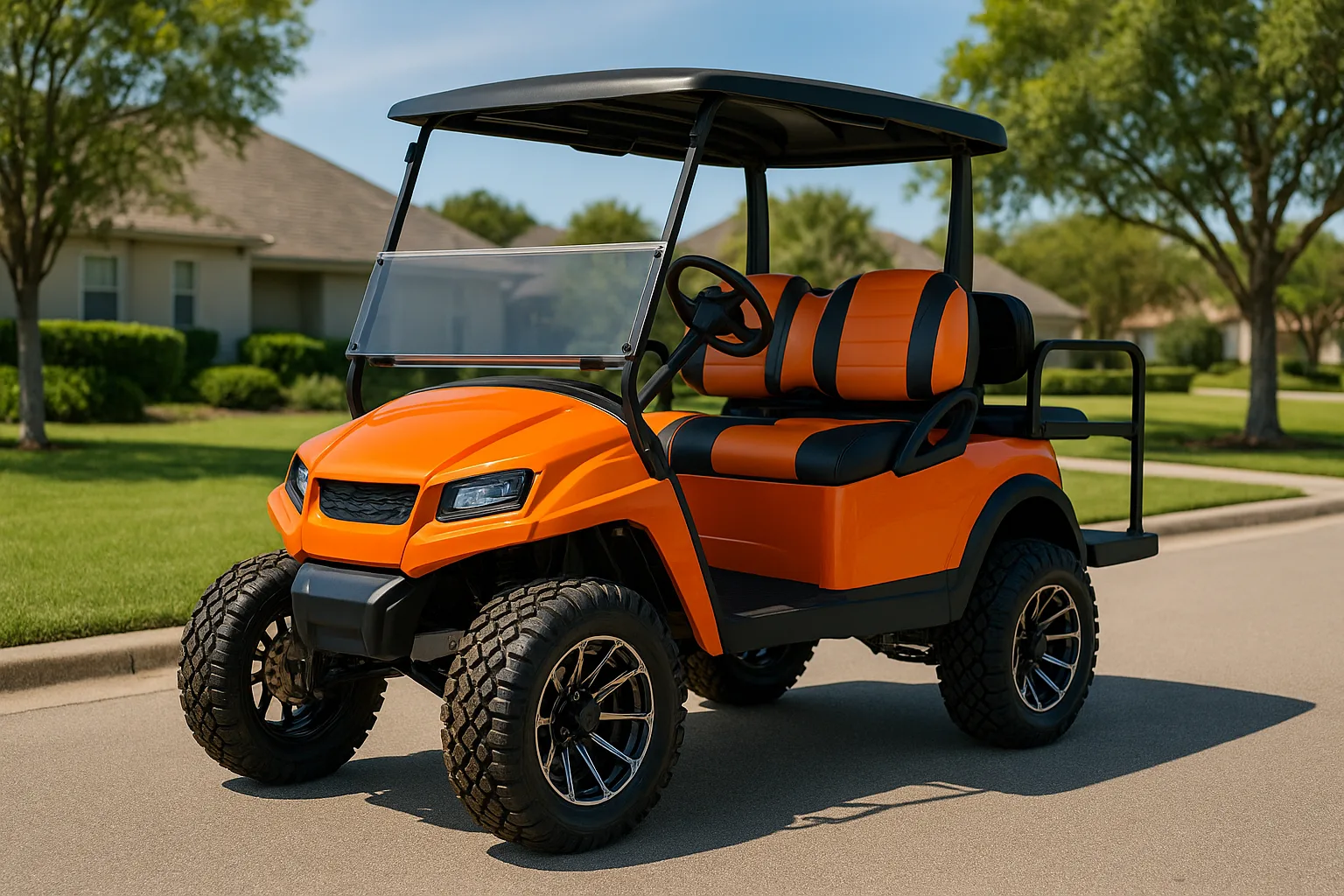
A body kit changes the look, but the builds that generate the most attention on the road pair new panels with matching mechanical and cosmetic upgrades. Planning these together avoids the common mistake of installing a new body and then lifting the cart later, which can require re-trimming or re-fitting panels.
| Upgrade category | Popular brands | Typical cost |
|---|---|---|
| Lift kits (spindle, A-arm, drop axle) | Jakes, Steeleng, Rhox | $200 – $800+ |
| Wheels | MODZ, Vampire, Tempest, Matrix | $50 – $200+ per wheel |
| Tires | Excel, Duro, Rhox | $40 – $120+ per tire |
| Custom seats and seat covers | Lazy Life, MODZ, Suite Seats, Red Dot | $150 – $600+ |
| Floor mats | Xtreme Mats | $60 – $150 |
| Custom paint (specialist shop) | Sweitzer's Performance Center, Liquid Lenny's | $500 – $2,000+ |
If you plan to lift the cart, do it before or at the same time as the body kit installation. Lift kits change the relationship between the wheel arch and the tire, which affects fender fit. A 4-inch lift with larger tires may require fender flares to keep panels looking intentional rather than mismatched.
For riders who spend extended time in their cart, pairing a body upgrade with golf cart cooling options like fans or enclosures is worth planning at the same time, since some enclosure systems attach to the roof or body structure.
Planning a custom paint job? Sweitzer's Performance Center in Bucyrus, OH and Liquid Lenny's in Oldsmar, FL are two well-regarded specialists who both accept shipped carts. Get a paint quote before ordering a body kit so your total budget is clear from the start.
Total build cost framework
Most buyers underestimate the full cost of a custom body build because they price only the kit itself. The table below shows a realistic budget structure for three common build levels, helping you plan from the start rather than discover gaps mid-project. For broader context on what new and used carts cost before upgrades, the golf cart buying guide covers pricing, value, and what to inspect at purchase.
| Budget tier | What's included | Estimated total |
|---|---|---|
| Entry build (used cart + basic kit) | Used cart, entry-level ABS body kit, basic hardware | $6,000 – $8,000 |
| Mid-range build | Used or base new cart, premium ABS kit with LED lights, wheels and tires, seat upgrade | $8,000 – $12,000 |
| Full custom build | New cart, fiberglass or premium body, lift kit, custom wheels and tires, paint, sound system, lithium battery | $15,000 – $20,000+ |
For a mid-range kit build on an existing cart, a realistic line-item budget looks like this:
- Body kit (ABS, mid-range): $1,379 – $1,800
- Street-legal LED kit (if not bundled): $270 – $335
- Body rivet and hardware kit: ~$34
- Lift kit: $200 – $800
- Wheels and tires (set of 4): $600 – $1,200
- Seat upgrade: $150 – $600
- Professional installation (if not DIY): $300 – $800
Frequently asked questions
Are body kits specific to my cart's model year?
Yes. Fitment is model-specific and often year-specific within the same model line. A Club Car Precedent kit will not fit a DS. A pre-2008 Precedent kit may not fit a 2008+ Precedent due to headlight cutout differences. Always confirm the exact year before ordering.
Can I install a body kit myself?
Most ABS bolt-on kits are realistic DIY projects for someone comfortable with power tools, ideally with a second person helping. Plan for a full day or weekend. Fiberglass custom bodies should be professionally installed due to fitment complexity and structural alignment requirements.
How do I find my cart's model year if I don't know it?
Locate the serial number on the cart, typically under the seat or on the driver-side frame rail, and use the manufacturer's serial number lookup. Most dealers will also identify the year and model if you provide the serial number by phone or email.
What is the cheapest way to change my cart's color without a full kit?
Vinyl wraps and decals are the lowest-cost path, typically running $200 to $600 depending on size and complexity. Wraps are reversible and protect the original panels underneath. Color-matched OEM-style replacement panels are another option if your factory panels are faded but not damaged.
Do ABS plastic kits fade in the sun?
Color-molded ABS kits fade more slowly than painted panels because the color runs through the material, but UV exposure over multiple years will still cause gradual fading. Applying a UV protectant wax every season extends panel life. Fiberglass with a quality gel coat holds color longer under direct sun exposure.
What warranty should I expect on a body kit?
Warranty terms vary by brand. MadJax offers a three-year warranty on their cart bodies. Confirm warranty coverage with the retailer before purchasing, and ask specifically whether the warranty covers UV fading, cracking, or fitment defects. Budget-priced kits from unknown brands often carry no meaningful warranty.