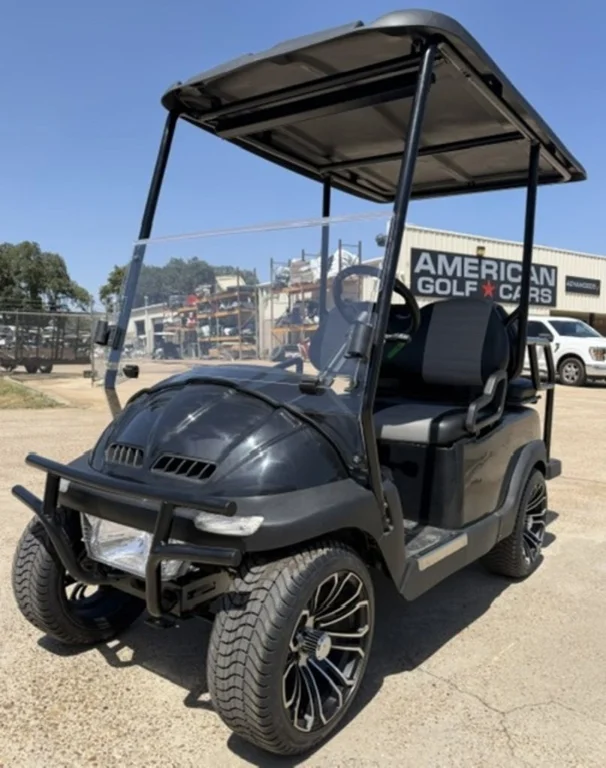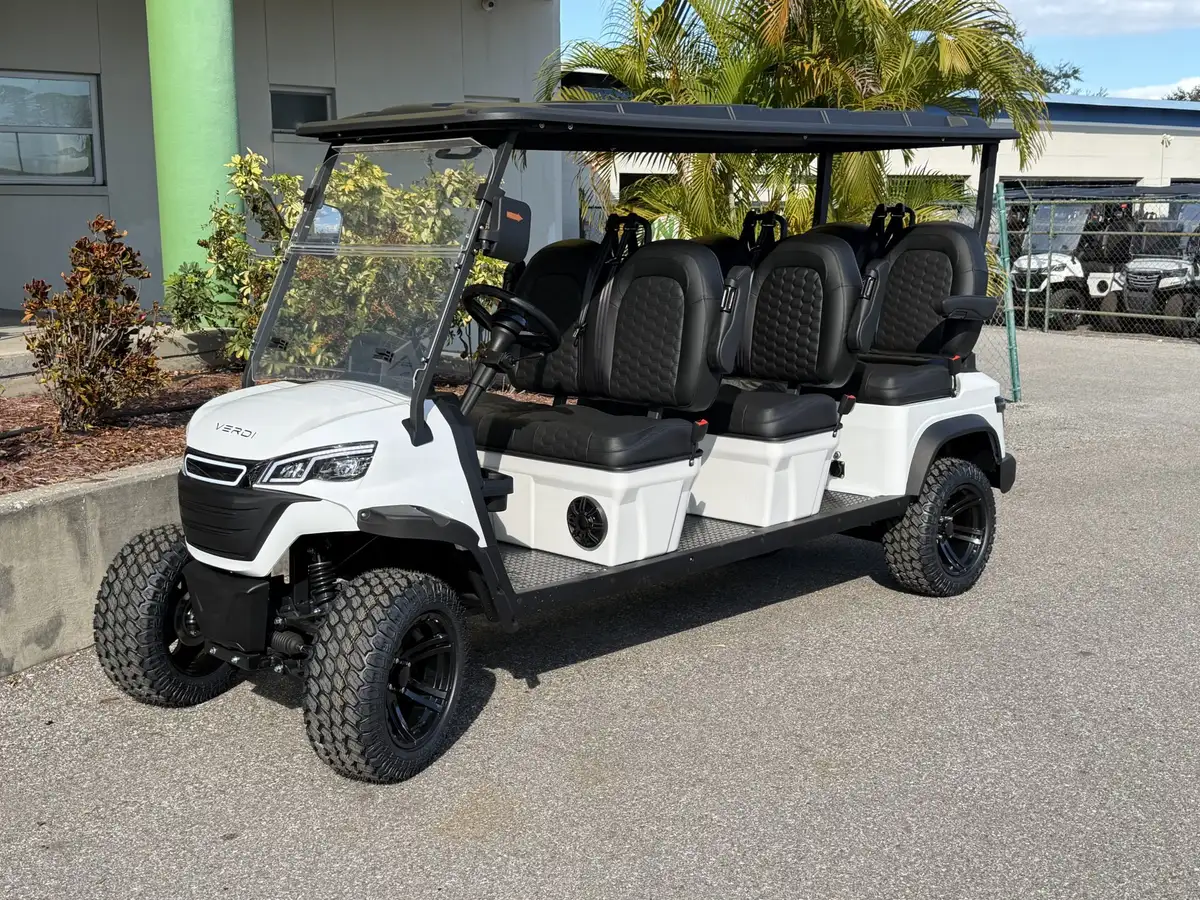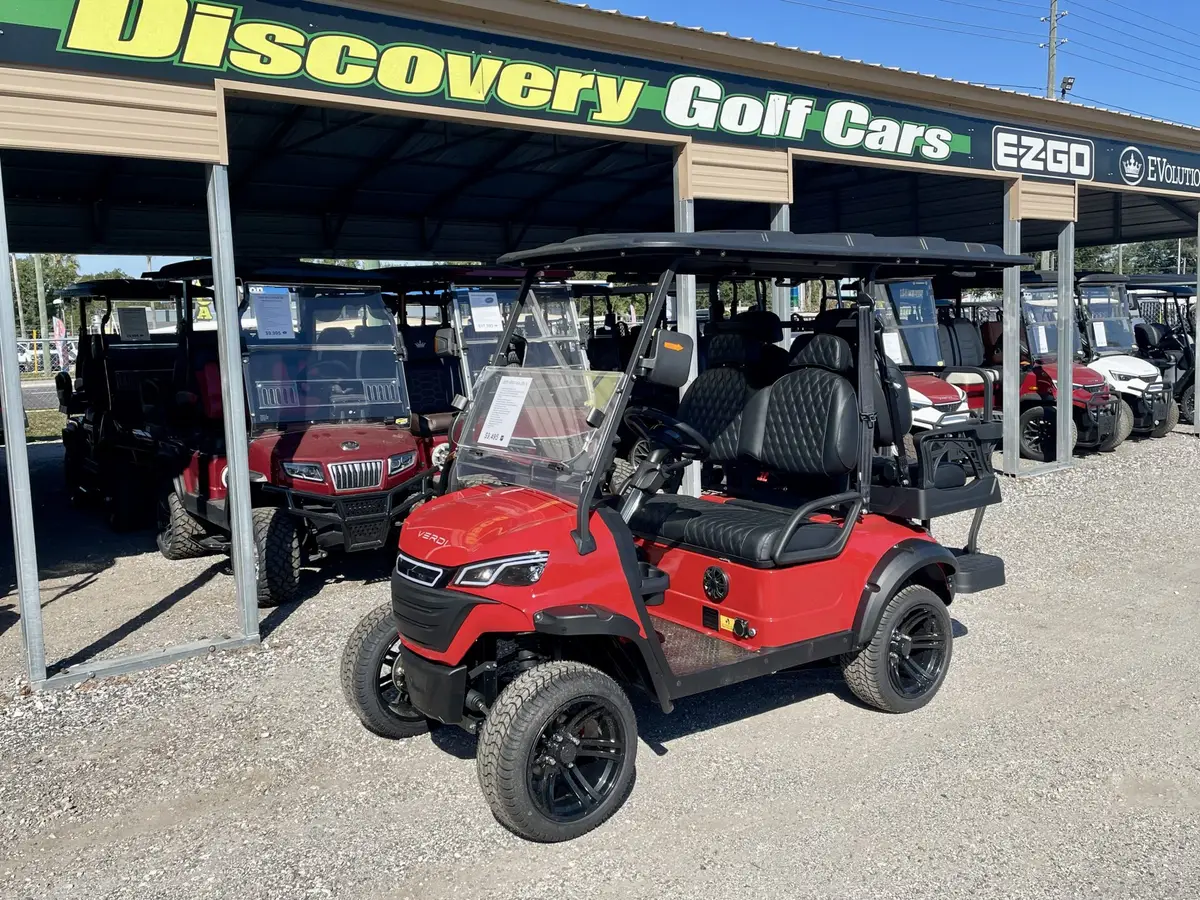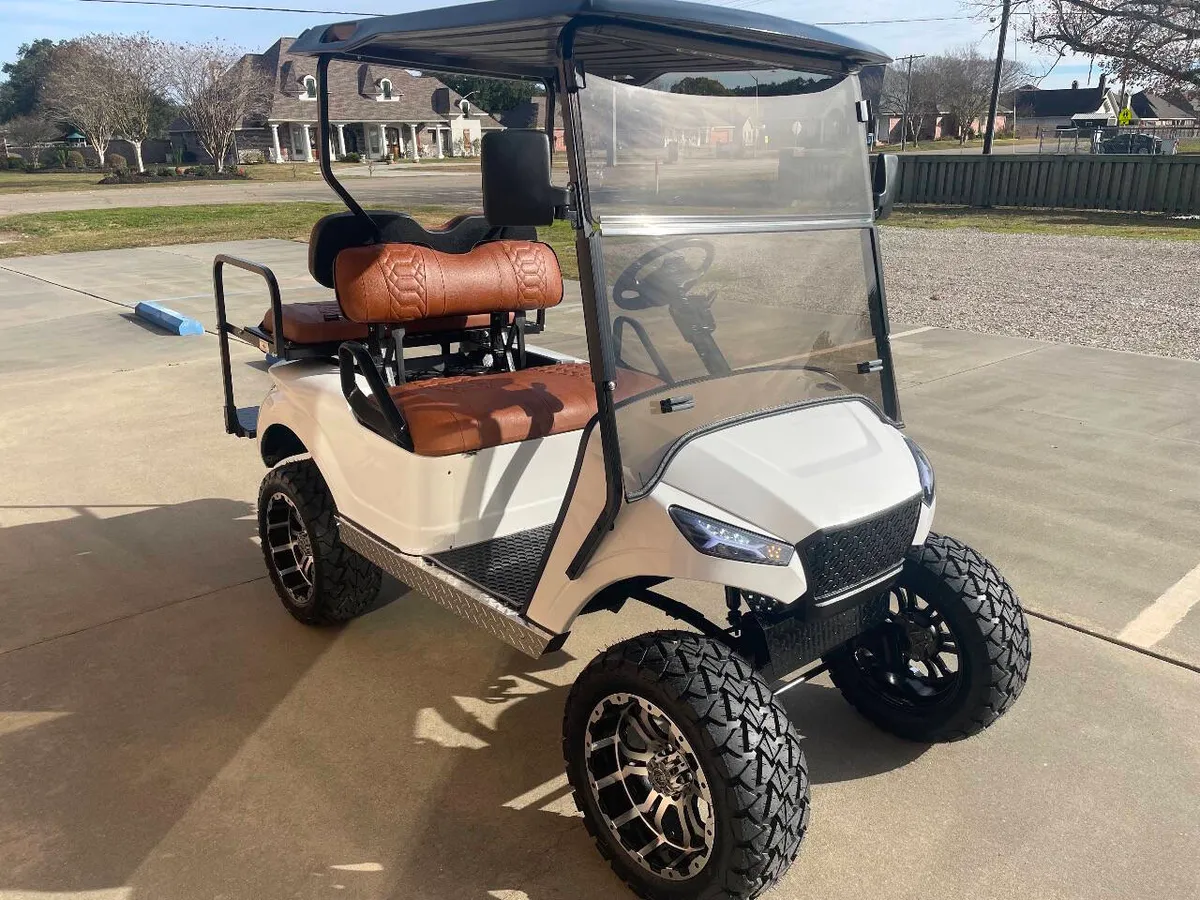
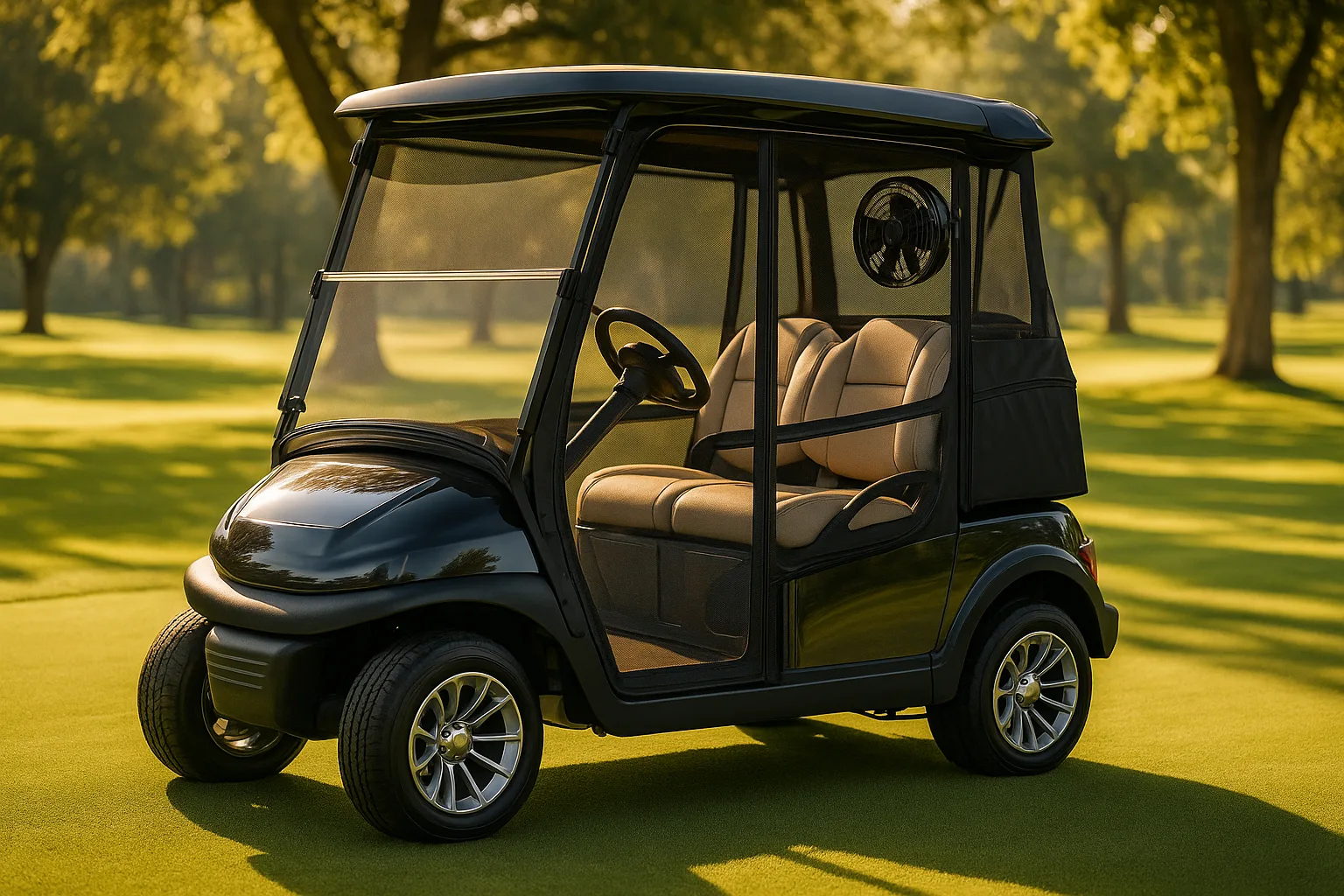
Golf cart cooling options at a glance
Riding in a golf cart on a hot day without any cooling is miserable, whether you're on the back nine or cruising your neighborhood. The good news is that there's a wide range of cooling solutions available, from simple clip-on fans under $25 to rooftop evaporative units that can drop interior temperatures by up to 40°F. The right choice depends on your climate, your cart's power setup, and how much comfort you're willing to invest in.
| Cooling type | Best for | Approximate cost | Temperature drop |
|---|---|---|---|
| Clip-on or magnetic fans | Any climate, budget buyers | $25 – $60 | Minimal |
| Misting fans | Dry or moderate climates | $56 – $65 | Moderate |
| Evaporative rooftop units | Dry, low-humidity climates | $500+ | Up to 40°F |
| Portable cooler-AC combos | Flexible use, any cart | $200 – $400+ | Moderate to significant |
| Refrigerant-based AC | Rarely practical for golf carts | $1,000+ | Significant, but impractical |
None of these systems come factory-installed on standard golf carts. Every cooling option is an aftermarket add-on, which means you have full flexibility to choose what fits your cart and your budget. If you're still deciding which cart to purchase, our golf cart buying guide covers what to evaluate before committing to a model.
Understanding your cooling options: fans, evaporative, and true AC
Before spending money, it's worth understanding what each type of system actually does. The term "golf cart air conditioning unit" gets used loosely, but there's a real difference between moving air around and actually cooling it.
Fans circulate existing air. They create a wind-chill effect that makes you feel cooler, but they don't reduce the air temperature. In extreme heat, a fan blowing 100°F air still feels like 100°F air.
Evaporative coolers (also called swamp coolers) draw air through a water-saturated filter. As water evaporates, it absorbs heat from the air and lowers the temperature before it reaches you. These units produce no mist or moisture inside the cart and work best in low-humidity environments like the desert Southwest.
Refrigerant-based AC works like a car's air conditioner, using a compressor and refrigerant cycle to cool air. While effective, this system requires significant power, complex installation, and is rarely practical or cost-effective for golf carts. Most community forums confirm it's more trouble than it's worth for typical golf cart use.
Evaporative cooling is significantly less effective in humid climates like the Southeast US. If you're in Florida, Georgia, or along the Gulf Coast, fans or a portable cooler-AC combo will outperform an evaporative system.
Golf cart fans
Fans are the most accessible cooling upgrade you can make. They're affordable, require no installation expertise, and work on any cart without touching the battery system. The dominant category on the market right now is the magnetic-base rechargeable fan.
| Fan type | Examples | Price range | Battery capacity |
|---|---|---|---|
| Single magnetic rechargeable fan | Various Amazon brands | $25 – $40 | 10,000 – 12,000 mAh |
| 2-pack magnetic fans | Various Amazon brands | $45 – $60 | 10,000 – 12,000 mAh |
| Dashboard-mounted fan | RHOX Air | $60 – $100+ | Wired to cart battery |
| Roof-mounted fan | Breezeasy | $100 – $200+ | Wired to cart battery |
Clip-on and magnetic fans
Clip-on and magnetic fans in the $25 to $60 range are the most popular entry point. Models with magnetic bases attach directly to the cart's metal frame without any drilling or wiring. Most run on built-in rechargeable batteries with 10,000 to 12,000 mAh capacity and offer three to four speed settings. Some higher-capacity misting fan models claim run times of up to 55 hours on low settings.
Roof and dashboard fans
Mounted fans like the Breezeasy (roof-mounted) and RHOX Air (dashboard) wire into your cart's existing 12V battery system. They deliver stronger, more consistent airflow than handheld units and stay permanently in place. These are a solid upgrade if you want hands-free, reliable airflow without investing in a full cooling system.
Misting fans and systems
Misting fans combine airflow with a fine water spray to lower the temperature around you. A 10-inch portable misting fan with a 9-liter water capacity runs roughly $58 to $60, while a 2-pack combo is around $56. Some models include up to 20,000 mAh batteries with run times up to 55 hours.
Misting fans add moisture to the air around you. In humid climates, this can feel uncomfortable rather than cooling. Save misting systems for dry, low-humidity environments where the added moisture is a relief, not a drawback.
Standalone misting systems (separate from fans) can also be installed along the cart's roof or windshield frame to create a cooling perimeter. These work best when paired with an enclosure that keeps the cooled air from immediately escaping.
Golf cart air conditioning units: evaporative rooftop systems
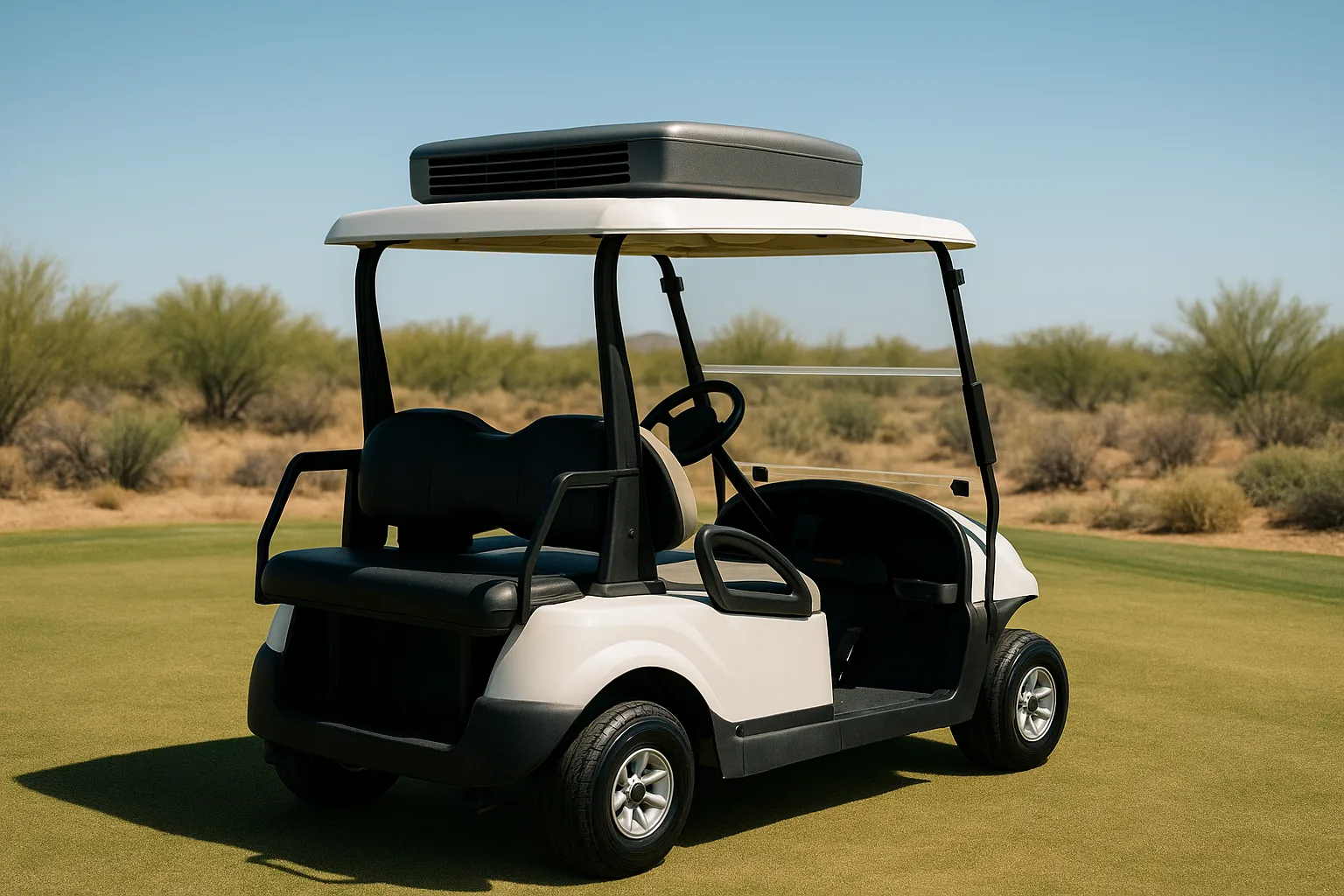
Rooftop evaporative coolers are the closest practical equivalent to a golf cart air conditioning unit. They sit flush on the roof, draw outside air through a water-saturated filter, and deliver noticeably cooler air into the cart interior without producing any moisture or mist inside.
| Spec | Fresair S8 | Kool Air Tops |
|---|---|---|
| Temperature drop | Up to 40°F | Up to 25°F |
| Power draw | Under 8 amps/hour | ~1 headlight equivalent |
| Power source | 12V cart battery | 12V cart battery |
| Weight | 25 lbs | Varies by model |
| Profile height | 3.7 inches | Varies |
| Reservoir size | 8L (under-seat) or 5L hidden | Varies |
| In business since | N/A | 1998 |
Fresair S8
The Fresair S8 is one of the most well-documented evaporative units on the market. It draws less than 8 amps per hour at full power (approximately 7 amps in real-world testing), consumes under 1 liter of water per hour at peak, and sits just 3.7 inches above the roofline. At 85°F ambient temperatures, users can expect an average temperature reduction of more than 20°F, with a maximum drop of up to 40°F under ideal conditions. The unit runs on your existing 12V cart battery and is available with 0% APR financing through Affirm.
Kool Air Tops
Kool Air Tops has been building evaporative rooftop units since 1998 and is based in California's Coachella Valley, one of the hottest and driest regions in the country. Their units reduce interior temperatures by up to 25°F and draw only as much power as a single headlight, using a basic 12V motor and water pump. Operation is straightforward: a single on/off switch. They offer both retail and dealer pricing tiers and provide professional installation services.
Portable cooler-AC combos
Products like the IcyBreeze use a cooler filled with water and ice connected to a fan that blows chilled air directly at passengers. They're self-contained, require no installation, and can move between carts or be used outside the cart entirely. The tradeoff is ongoing ice cost and the need to refill the cooler every few hours during heavy use.
These units are a strong option for people who want meaningful cooling without committing to a permanent rooftop install. They also work in any climate, since they rely on ice rather than evaporation. The main practical concern raised in user communities is the inconvenience of sourcing and refilling ice during a full day of riding.
Enclosures and why they matter for cooling
Every cooling system performs significantly better inside an enclosed cart. An open-air cart bleeds cooled air the moment it's produced, so adding a basic enclosure dramatically improves the effectiveness of any fan, misting system, or evaporative unit you install.
| Enclosure type | Cooling benefit | Approximate cost |
|---|---|---|
| Soft vinyl side curtains | Moderate; retains cooled air | $80 – $200 |
| Full soft enclosure (4-sided) | Good; significantly reduces air loss | $150 – $350 |
| Hard polycarbonate enclosure | Best; near-sealed environment | $400 – $800+ |
| Windshield only (partial) | Minimal; reduces wind but sides remain open | $60 – $150 |
Soft vinyl enclosures with zippered panels are the most common and affordable option. They attach to the existing roof frame and can be rolled up when not needed. A full 4-sided soft enclosure retains cooled air effectively and pairs well with a rooftop evaporative unit.
Hard polycarbonate enclosures offer a more rigid, sealed environment and are better suited to full-time use in extreme climates. They also add weather protection and noise reduction.
If you're investing in an evaporative rooftop unit, budget for an enclosure at the same time. Without one, a significant portion of the cooled air will escape before it reaches you.
What to buy based on your climate
The single biggest factor in choosing a golf cart cooling solution isn't budget; it's humidity. Evaporative systems thrive in dry air and lose effectiveness as humidity rises. Here's how to match your setup to your environment.
| Climate type | Region examples | Best cooling option |
|---|---|---|
| Hot and dry | Arizona, Nevada, California desert, New Mexico | Evaporative rooftop unit (Fresair, Kool Air Tops) |
| Warm and moderate | Texas, Carolinas, Pacific Coast | Evaporative unit or misting fan with enclosure |
| Hot and humid | Florida, Georgia, Louisiana, Gulf Coast | Portable cooler-AC combo (IcyBreeze) or strong fans |
| Variable/seasonal | Midwest, Mid-Atlantic | Magnetic fans plus enclosure for flexibility |
If you live in a humid climate and are set on meaningful cooling, a portable ice-based cooler like the IcyBreeze or a refrigerant-based inverter setup (with professional installation) is a more reliable investment than an evaporative unit.
Battery and power considerations
Power draw is the top concern among golf cart owners considering a rooftop cooling system, and it deserves a clear answer. The Fresair S8 draws approximately 7 to 8 amps per hour at full power. The table below shows what that means in practice for common battery configurations.
| Battery configuration | Usable capacity (approx.) | Estimated run time (evaporative unit) |
|---|---|---|
| 36V standard lead-acid | ~75 amp-hours | ~6 – 8 hours (shared with drivetrain) |
| 48V standard lead-acid | ~100 amp-hours | ~8 – 10 hours (shared with drivetrain) |
| 48V lithium battery | ~105 – 150 amp-hours | ~10+ hours (more efficient discharge) |
These figures are estimates that assume the cooling unit is sharing battery capacity with the drivetrain and other accessories. The practical takeaway is that a quality evaporative unit won't deplete your battery during a normal round of golf or a few hours of neighborhood use. Running it all day across multiple rounds without recharging will strain a standard lead-acid pack.
Electric golf carts have a clear advantage here: the 12V accessory circuit is already built in and managed by the system. Gas carts can run 12V accessories off the dedicated accessory battery, though extended use may require a larger auxiliary battery.
Upgrading to a lithium battery pack before installing a rooftop cooling unit is worth considering. Lithium packs discharge more efficiently, recover better from partial cycles, and provide more usable capacity than comparably rated lead-acid batteries.
Full cooling option comparison
Use this side-by-side comparison to evaluate your options across the dimensions that matter most.
| Option | Approx. cost | Temp. drop | Power draw | Install | Best climate |
|---|---|---|---|---|---|
| Magnetic rechargeable fan | $25 – $60 | None (wind chill only) | Self-contained battery | None | Any |
| Misting fan | $56 – $65 | Moderate | Self-contained battery | None | Dry climates only |
| Dashboard/roof fan (wired) | $60 – $200+ | None (wind chill only) | Low (12V) | Simple wiring | Any |
| Portable cooler-AC combo | $200 – $400+ | Moderate to significant | Self-contained or 12V | None | Any |
| Evaporative rooftop unit | $500+ | Up to 40°F | ~7 – 8 amps/hour (12V) | Professional recommended | Dry, low-humidity |
| Refrigerant-based AC | $1,000+ | Significant | Very high | Complex, professional only | Any (rarely practical) |
Comfort upgrades beyond cooling
Cooling is only one part of overall cart comfort. The upgrades below work alongside a cooling system or on their own to make your ride noticeably more enjoyable.
Seating upgrades
Replacement seat cushions and ergonomic seat covers can eliminate the hard, worn-out feeling of factory seating. Gel-foam and memory foam seat pads are widely available and attach without modification to most standard bench seats.
Sun and shade accessories
- Extended canopy roofs: Add several inches of overhang beyond the standard roofline, reducing direct sun exposure on passengers significantly.
- Sun visors: Clip-on or bolt-on visors shade the front of the cart and reduce glare without blocking airflow.
- Tinted windshields: Reduce solar heat gain and UV exposure while maintaining visibility.
Windshields and side curtains
Partial windshields redirect wind without fully enclosing the cart. Full windshields, especially when paired with side curtains, create the enclosed environment that makes evaporative and fan cooling systems dramatically more effective. Many owners choose a fold-down windshield that can open on mild days and close on hot ones.
Frequently asked questions
Do golf carts come with air conditioning?
No. Standard golf carts do not come with any air conditioning or cooling system from the factory. All cooling solutions, from clip-on fans to rooftop evaporative units, are aftermarket additions.
Can I install a golf cart air conditioning unit myself?
Basic fans and portable coolers require no installation at all. Wired fans and dashboard-mounted units are simple enough for most DIYers with basic electrical knowledge. Rooftop evaporative units like the Fresair S8 are more complex and benefit from professional installation to ensure proper roof mounting, wiring, and reservoir placement.
Will an evaporative cooler produce moisture inside my cart?
No. Properly functioning evaporative units like the Fresair S8 and Kool Air Tops systems cool air by evaporating water inside the unit's filter before it enters the cart. The air that reaches you is cooler and dry, with no mist or condensation.
How much temperature drop can I realistically expect from a rooftop cooler?
The Fresair S8 claims up to a 40°F drop under ideal conditions, with an average of over 20°F at 85°F ambient temperatures. Kool Air Tops quotes up to 25°F. Real-world results depend heavily on ambient humidity and whether the cart is enclosed.
Will a rooftop evaporative cooler drain my golf cart battery?
A unit drawing 7 to 8 amps per hour is a manageable load for most 48V battery systems. On a full charge, you can expect several hours of runtime shared with normal cart operation. For all-day use, a lithium battery upgrade or access to a midday charge point is worth planning for.
Are evaporative coolers effective in Florida or other humid states?
Not significantly. Evaporative cooling depends on dry air to work. In high-humidity climates, the air is already saturated with moisture and cannot absorb more through evaporation. Humid-climate riders get better results from portable ice-based coolers or powerful circulating fans with full enclosures.
What's the total cost of a rooftop evaporative unit including installation?
Unit prices for rooftop evaporative coolers typically start around $500 and climb depending on the model and reservoir configuration. Professional installation adds to this cost, with labor typically running $100 to $300 depending on your location and the complexity of the mounting and wiring. Budget for an enclosure upgrade at the same time to get the most out of your investment. For a broader look at what accessories and upgrades add to ownership costs, see how much a golf cart costs.