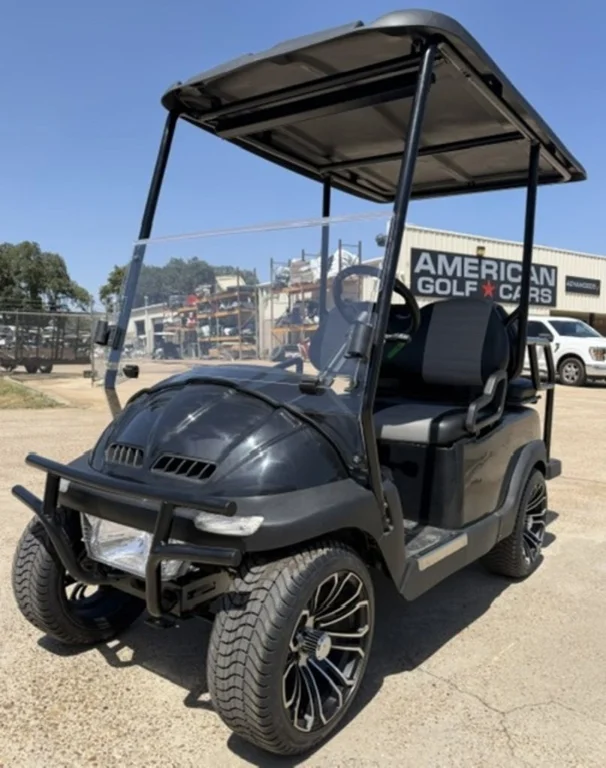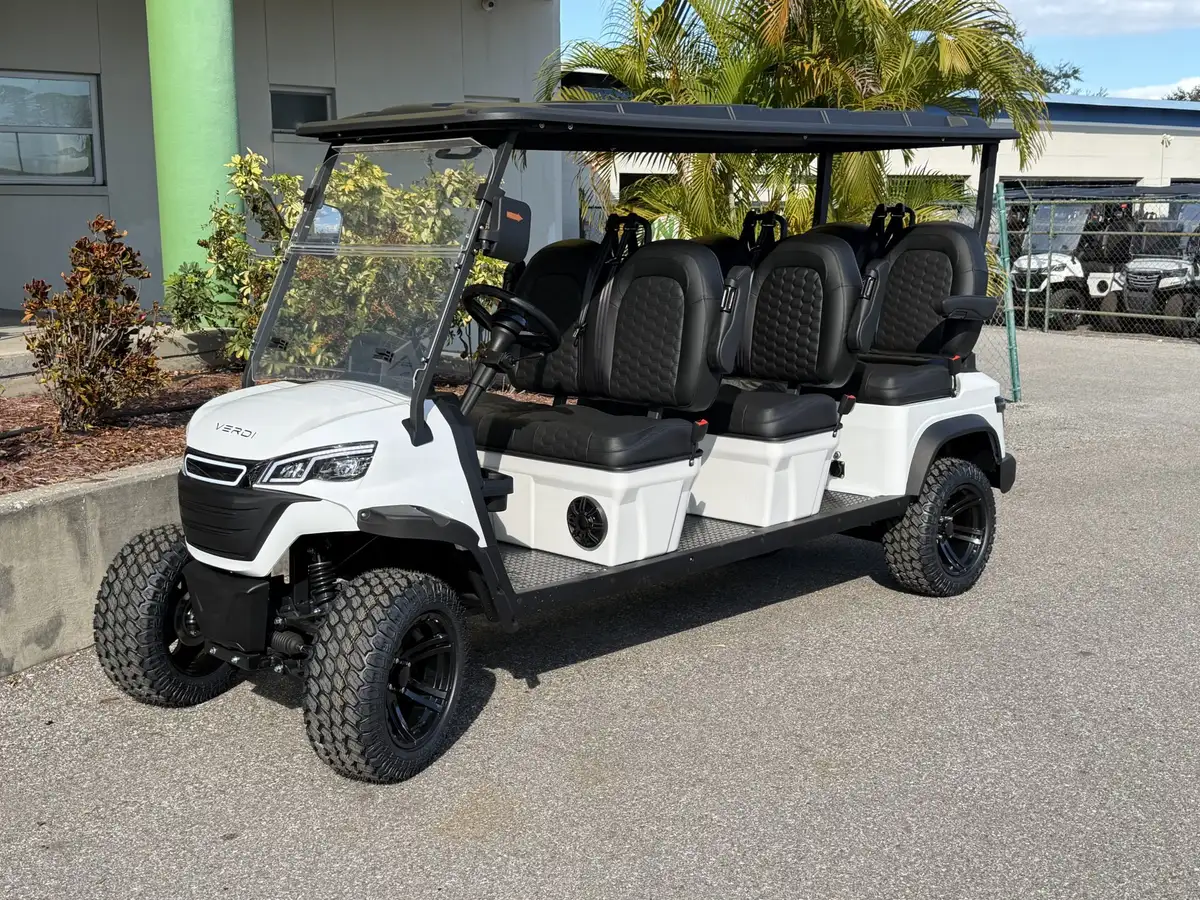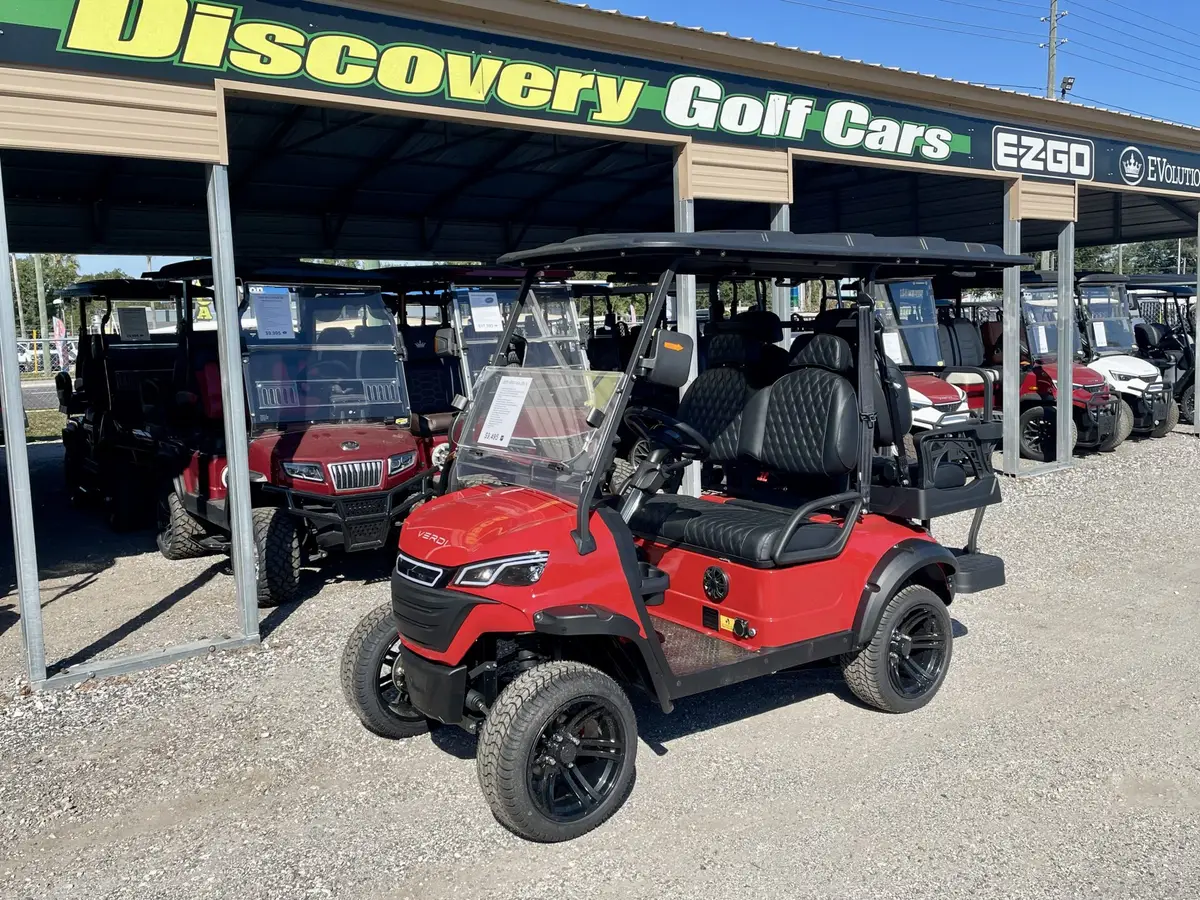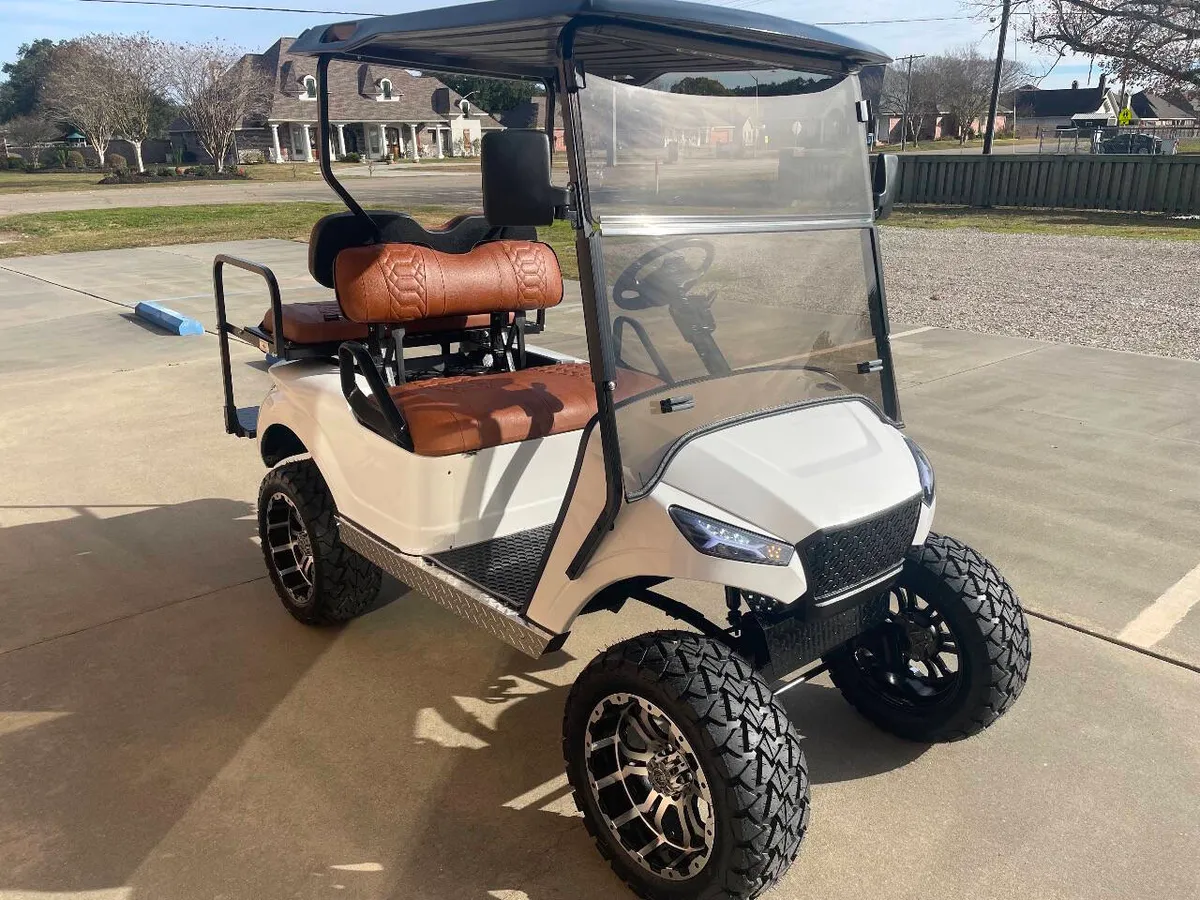
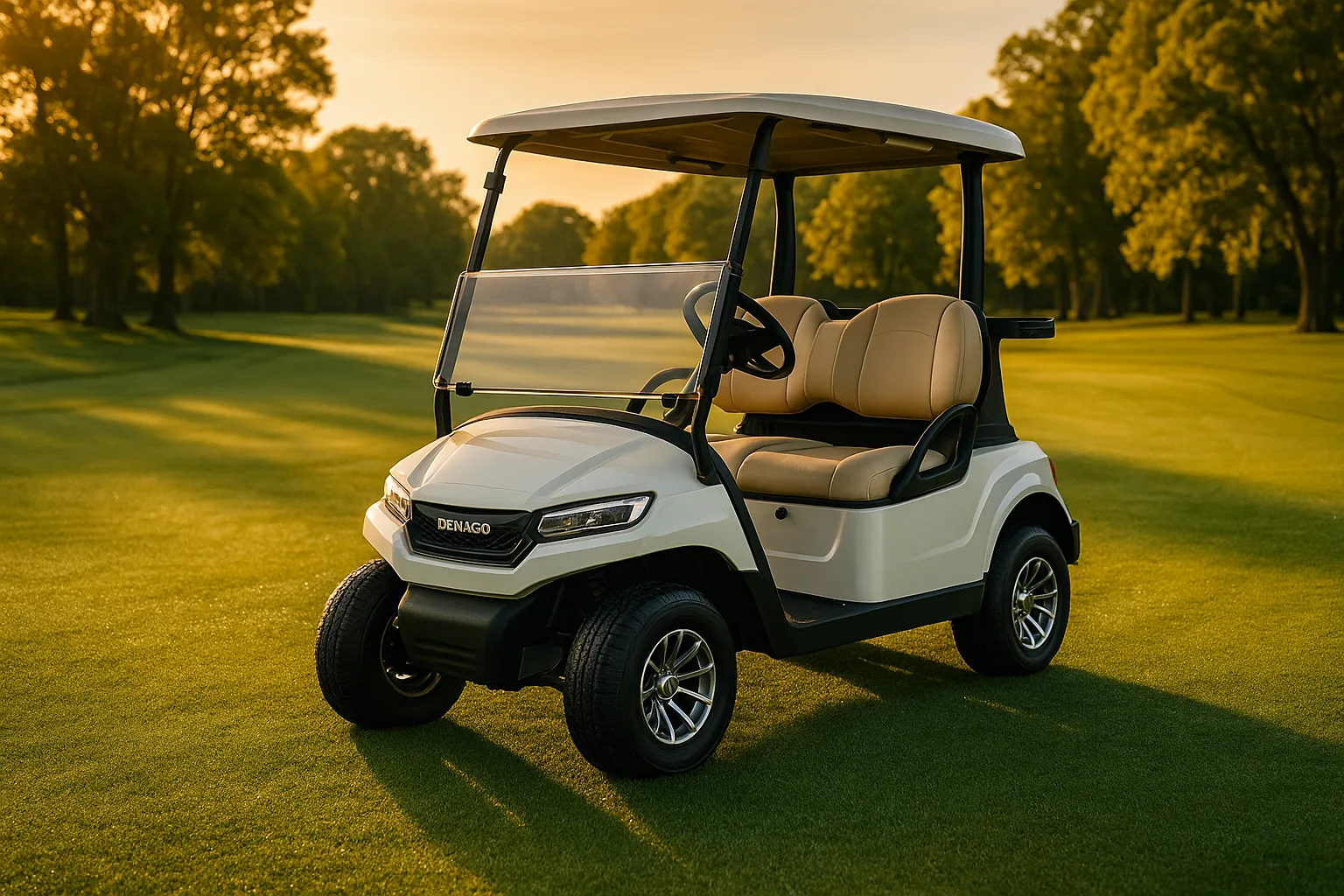
Denago golf carts at a glance
Denago is one of the most talked-about newcomers in the golf cart market, offering lithium-powered carts with tech-forward standard features at prices that undercut many established brands. Founded in 2023 and headquartered in St. Petersburg, Florida, Denago has grown from a single model to a lineup of seven distinct carts in just two years. That kind of growth gets attention, and so does the question that follows: are they actually any good?
The honest answer is mostly yes, with some caveats. Denago carts deliver strong value on paper and generally solid performance in practice. The biggest variable is not the cart itself but the dealer you buy from. That theme runs through every owner forum, Reddit thread, and dealer review on the subject, and it is the most important thing to understand before you shop.
| Quick facts | Detail |
|---|---|
| Founded | 2023 |
| Headquarters | St. Petersburg, Florida |
| Assembly location | Plano, Texas |
| Parent company | TAO Motors |
| Models available | 7 (2025–2026) |
| Battery type | 51.2V LiFePO4 lithium |
| Battery warranty | 8 years |
| Price range | $8,495 – $15,500+ |
Who makes Denago golf carts?
Denago is a subsidiary of TAO Motors, a Chinese powersports manufacturer with a long history in ATVs, scooters, and electric vehicles. TAO Motors also operates the TEKO brand under the same corporate umbrella. The Denago team was specifically built around people with e-bike and golf cart industry experience, which helps explain the tech-forward feature set the brand leads with.
Denago carts are assembled in Plano, Texas, at a facility on West Plano Parkway. The first fully U.S.-assembled cart rolled off the line on October 4, 2024. The company says it has created more than 400 Texas jobs and invested more than $180 million in U.S. facilities since 2024.
U.S. assembly vs. U.S.-made: Denago carts are assembled in Texas, but components are globally sourced. This matters if you are weighing domestic manufacturing as a purchase factor, or if you are concerned about how tariff changes could affect future parts pricing and availability.
For buyers who view "Chinese brand" as an automatic disqualifier, it is worth knowing that Reddit and Facebook owner communities consistently report that actual owners rate Denago more favorably than people who have never owned one. The "Chinese junk" criticism tends to come from Big 3 loyalists, not from people who have put miles on a Denago cart.
Full model lineup and prices
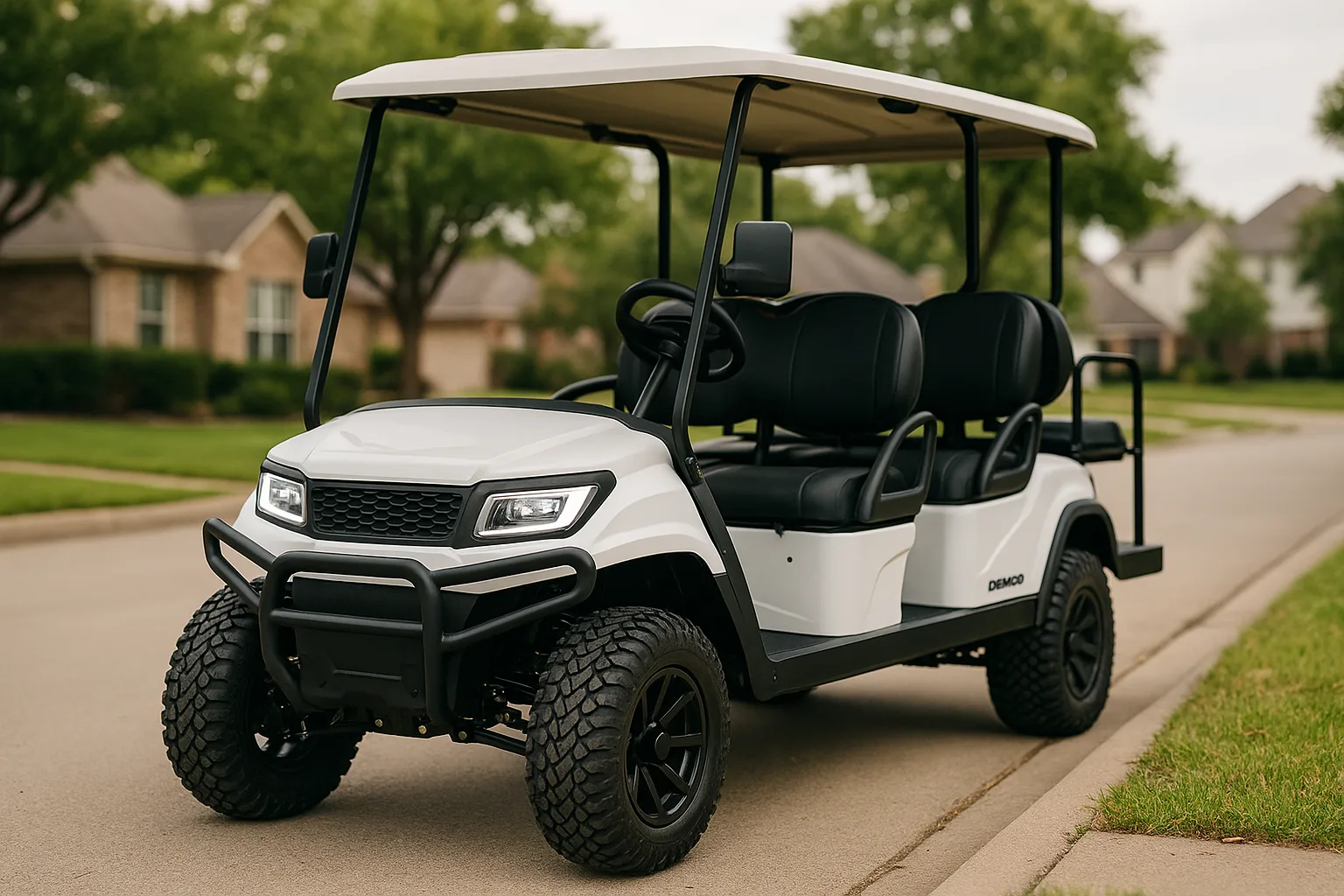
Denago offers seven models as of 2025–2026, covering two-passenger entry-level carts, six-passenger family haulers, a utility work cart, and a lounge-style cruiser. Prices vary by dealer, region, trim level, freight, and setup fees, so treat these as starting-point estimates.
| Model | Passenger layout | Starting price |
|---|---|---|
| Scout 2 | 2-passenger, golf course use | $8,495 |
| Nomad XL | 4-passenger (2+2, lifted) | $9,995 |
| Rover XL | 4-passenger, all forward-facing | $9,995 – $10,995 |
| Rover XL6 | 6-passenger (4+2 fold-down rear) | $11,995 – $12,995 |
| Rover XXL | 6-passenger, all forward-facing, wider wheelbase | Quote-dependent |
| City | Lounge/L-shaped bench with center table | $15,500+ |
| Oxen | Utility bed, work/hauling configuration | Quote-dependent |
Each model is designed for a distinct use case, from basic golf course transport to neighborhood cruising to property work. The sections below break down what makes each one worth considering.
Rover XL
The Rover XL is Denago's first model and its best-seller. It seats four passengers in forward-facing seats, making it the most practical everyday layout for families and neighborhood use. At $9,995 to $10,995, it is the default recommendation for most buyers. If you are not sure which Denago model to buy, start here.
Nomad XL
The Nomad XL is a lifted 2+2 cart with forward-facing front seats and a rear-facing bench in back. Priced around $9,995, it appeals to buyers who want a more rugged look and slightly more ground clearance without stepping up to a six-passenger model. Note that the original Nomad (non-XL) has been discontinued and is now available used only.
Rover XL6
The Rover XL6 adds two rear-facing fold-down seats to the Rover XL platform, bringing total capacity to six passengers. It starts at $11,995 to $12,995. Range drops to approximately 32 miles under a 992-pound load, compared to 40-plus miles on the four-passenger models, so plan accordingly if you regularly carry a full load.
Rover XXL
The Rover XXL seats six passengers in forward-facing seats across a wider wheelbase than the XL6. It is Denago's most comfortable high-capacity option, but pricing is quote-dependent and generally higher than the XL6. Contact a dealer for current pricing in your area.
Scout 2
The Scout 2 is Denago's entry-level two-passenger cart, starting at $8,495. It is designed for golf course use and buyers who want the lowest price of entry into the Denago lineup. It carries the same lithium battery platform but has a simpler feature set than the larger models.
City
The City is Denago's premium cruiser, starting at $15,500. Its standout feature is an L-shaped lounge bench with a center table, designed for slow neighborhood cruising and entertaining rather than practical transport. It is the most distinctive model in the lineup and the most expensive.
Oxen
The Oxen replaces the rear passenger area with a utility bed for hauling and work applications. It is a strong option for property owners, farms, and commercial users. Pricing varies significantly by configuration, so a dealer quote is required.
Standard specs and features
One of Denago's clearest competitive advantages is how much it includes as standard equipment. Features that other brands charge extra for, including Apple CarPlay, a backup camera, and four-wheel disc brakes, come standard on Denago models.
| Spec or feature | Detail |
|---|---|
| Battery | 51.2V, 105Ah LiFePO4 lithium iron phosphate |
| Motor | 5 kW AC standard; 6.3 kW AC optional upgrade |
| Range | 40+ miles (standard); 32 miles at 992-lb load (6-passenger) |
| Top speed | 25 mph |
| Charge time | Approximately 5 hours |
| Brakes | Four-wheel disc |
| Suspension | Independent front and rear |
| Chassis | Aluminum (rust-resistant, lifetime warranty) |
| Display | 10-inch touchscreen (speed, battery, mileage) |
| Connectivity | Apple CarPlay and Android Auto (standard) |
| Camera | Backup camera (standard) |
| Power outlet | 110V AC outlet |
| Lighting | LED front lights and rear light bar |
| Seatbelts | Three-point (standard) |
Additional standard equipment includes adjustable steering, luxury seats with armrests, side mirrors, a windshield, a canopy with grab handles, a brush guard, four cup holders, a phone holder, and premium floor mats. A soundbar is available as an optional upgrade.
Apple CarPlay and Android Auto are standard on most Denago models, not optional upgrades. This is a meaningful differentiator from competitors who charge extra for similar connectivity features.
Reliability and real owner feedback
Owner sentiment on Denago is genuinely mixed, which is both honest and expected for a brand this new. The core drivetrain and LiFePO4 battery platform are generally well-regarded. Electronics are where problems tend to surface.
| Area | Owner feedback pattern |
|---|---|
| Battery and drivetrain | Consistently positive; few reported failures |
| Ride quality | Smooth; independent suspension praised |
| Electronics and touchscreen | Occasional issues with display, horn, direction selector, and wiring connections |
| Parts availability | Can lag 30+ days versus legacy brands |
| Dealer support | Highly variable; biggest factor in overall ownership experience |
| Long-term durability | Limited data; brand is only two years old |
| Resale value | Unproven; insufficient market data yet |
The most common frustration cited in owner communities is parts delays. One owner in a Facebook group reported waiting more than 30 days for a replacement axle. That kind of wait is rare with Club Car, EZGO, or Yamaha, where parts infrastructure is decades old. It is a real tradeoff to weigh against the lower price.
Reddit threads on Denago follow a consistent pattern: new buyers get criticized by Big 3 loyalists before they even take delivery, but actual owners tend to report positive experiences once the cart is in their hands. One thread noted that forum communities attract complaints disproportionately, so negative posts are louder than the underlying negative experience rate actually is.
Long-term durability data is thin. Denago has been selling carts since 2023, which is not enough time to assess how these carts hold up at 5 or 10 years. If long-term track record matters to you, established brands have a verifiable advantage.
Warranty coverage
Denago's warranty is one of the strongest in the segment, particularly on the battery. An 8-year warranty on the LiFePO4 battery is the headline number, and it is legitimately competitive, especially compared to lead-acid alternatives that typically carry far shorter coverage.
| Component | Warranty coverage |
|---|---|
| LiFePO4 battery | 8 years |
| Aluminum chassis | Limited lifetime |
The practical quality of these warranties depends heavily on your dealer. A warranty is only as useful as the service center that honors it. Before purchasing, ask your dealer specifically about warranty labor coverage, how warranty claims are processed, and what their typical turnaround time is on parts orders. Get answers in writing if possible.
Street legal and LSV status
Denago markets its carts as Low Speed Vehicles (LSVs). Most models can be configured to meet street-legal requirements with the correct package, which typically includes turn signals, headlights, mirrors, seatbelts, and a slow-moving vehicle emblem. Whether a specific Denago trim qualifies as street legal depends on both the trim level purchased and your local or state regulations.
Confirm street-legal eligibility with your dealer before purchasing. Requirements vary significantly by state and municipality, and some areas require additional certification or registration steps that your dealer should walk you through.
How to buy a Denago: what to do before you purchase
Because dealer quality is the single biggest variable in the Denago ownership experience, vetting your dealer is as important as choosing your model. Here is what to do before signing anything.
Questions to ask your dealer
- How long have you been an authorized Denago dealer?
- Do you have a dedicated service department, or do you outsource repairs?
- How do you handle warranty claims, and what is your typical parts turnaround time?
- Can I speak with a current Denago owner you have sold to?
- What freight, setup, and documentation fees are added to the listed price?
- Do you stock common replacement parts on-site?
Red flags to watch for
- Vague answers about warranty labor coverage (who pays for the technician's time?)
- No service department on-site
- Pressure to buy without a test drive
- Large, undisclosed fees added at the point of sale
- No local references or existing customer relationships to point to
Finding a dealer in your area
Denago's dealer network is growing but still smaller and more regionally uneven than the Big 3 brands. If the nearest authorized dealer is far from you, factor in service logistics carefully. A cart purchased two hours from the nearest dealer becomes a much bigger problem when you need warranty work than it seems when you are buying it.
If you are in a region with limited Denago dealer coverage, search CartMarket for pre-owned Denago listings. A used cart from a private seller may still be under its original battery warranty and can save you significantly versus buying new.
How Denago compares to other brands
Denago competes primarily against other value-oriented lithium brands and secondarily against the established Big 3 (Club Car, EZGO, Yamaha). Here is a practical comparison across key buying factors.
| Factor | Denago | Club Car / EZGO / Yamaha | ICON / Evolution |
|---|---|---|---|
| Price | Competitive ($8,495 – $15,500+) | Higher, especially for lithium upgrades | Similar range; Evolution Classic 2 Plus starts ~$7,895 |
| Standard features | Generous; CarPlay, backup cam, disc brakes included | More features are paid upgrades | Strong feature sets; competitive with Denago |
| Battery warranty | 8 years (LiFePO4) | Varies; typically shorter on OEM lithium | Varies by model and brand |
| Dealer network | Growing; regional gaps | Nationwide, decades-established | Growing; similar stage to Denago |
| Parts availability | Can lag 30+ days | Usually fast; parts widely stocked | Improving; still behind legacy brands |
| Resale value | Unproven; brand too new | Strong; decades of market data | Limited data; newer brands |
| Long-term track record | Limited (brand est. 2023) | Decades of field data | Limited (brands est. 2014–2018) |
The short version: if you prioritize feature value and a lower upfront cost, Denago is a legitimate contender. If you prioritize resale value, parts availability, and a proven long-term track record, the Big 3 still have a real advantage. ICON and Evolution sit in a similar position to Denago, with comparable feature sets and similar dealer network limitations. For a broader look at how to evaluate options across brands, the golf cart buying guide covers what to inspect and how to compare value across the market.
Buying a used Denago
The used Denago market is small but growing. Because the brand launched in 2023, most used carts on the market are one to three years old, which means they may still carry a significant portion of the original 8-year battery warranty. That is a meaningful benefit if you can verify the purchase date and confirm warranty transferability with the dealer.
What to check on a used Denago
- Battery health indicator on the 10-inch display (check state of charge and any error codes)
- Touchscreen responsiveness, which is the most common electronics complaint
- Direction selector switch function (forward, reverse, neutral)
- All wiring connections at the battery terminals and under the dash
- Brake function at low speed; confirm all four disc brakes engage evenly
- Original purchase documentation to establish the warranty start date
Used Denago pricing is not yet well-established because the resale market is thin. Use new pricing as your ceiling and factor in age, mileage, and condition from there. For broader context on what golf carts cost new and used across brands, that reference can help you calibrate what a fair used Denago price looks like.
Frequently asked questions
These are the questions that come up most often from buyers researching Denago carts.
Are Denago golf carts any good?
Yes, with qualifications. The core platform, including the lithium battery, motor, independent suspension, and standard features, is genuinely strong for the price. Electronics are the weakest point, and ownership experience varies significantly based on dealer quality.
Who makes Denago golf carts?
Denago is a subsidiary of TAO Motors, a Chinese powersports manufacturer. The carts are assembled in Plano, Texas. TAO Motors also makes the TEKO brand.
Where are Denago golf carts made?
They are assembled in Plano, Texas, with globally sourced components. The first fully U.S.-assembled cart came off the line in October 2024.
What is the best Denago model for most buyers?
The Rover XL. It is the first model Denago made, the best-seller, and the most practical all-around layout for families and neighborhood use. Start here unless you have a specific need for six passengers, a utility bed, or the lounge configuration.
Does Denago really have an 8-year battery warranty?
Yes. The LiFePO4 battery carries an 8-year warranty, and the aluminum chassis carries a limited lifetime warranty. The practical value of both warranties depends on your dealer's service capability.
Are Denago golf carts street legal?
Most models can be configured as street-legal LSVs with the correct package. Whether your specific cart qualifies depends on trim level and local regulations. Confirm with your dealer and check state and municipal requirements before purchasing.
Is the original Denago Nomad still made?
No. The original Nomad has been discontinued and replaced by the Nomad XL. Original Nomad carts are available on the used market only.
Is "Dinago" the same as Denago?
Yes. "Dinago" is a common misspelling. The correct brand name is Denago.
How long does a Denago battery last?
LiFePO4 batteries are designed for long cycle life, generally 2,000 to 3,000 charge cycles or more before significant capacity loss. Denago backs the battery with an 8-year warranty. Long-term real-world data is limited because the brand has only been selling since 2023.
Does Denago hold its value?
That is currently unknown. The brand is too new to have meaningful resale data. Established brands like Club Car and EZGO have documented resale values; Denago does not yet.
Where can I find real Denago owner reviews?
The most active owner communities are on Facebook groups and Reddit. Search for Denago-specific groups on Facebook and look for threads on r/golfcarts. These give you unfiltered owner sentiment that dealer reviews and brand sites do not.
Is Denago a good choice for first-time buyers?
It can be, if you have a strong local dealer. First-time buyers benefit most from responsive dealer support, especially during the first year when you are learning the cart and most likely to have setup or minor electronics questions. A well-supported Denago can be an excellent first cart. A poorly supported one can be frustrating. Vet the dealer first.