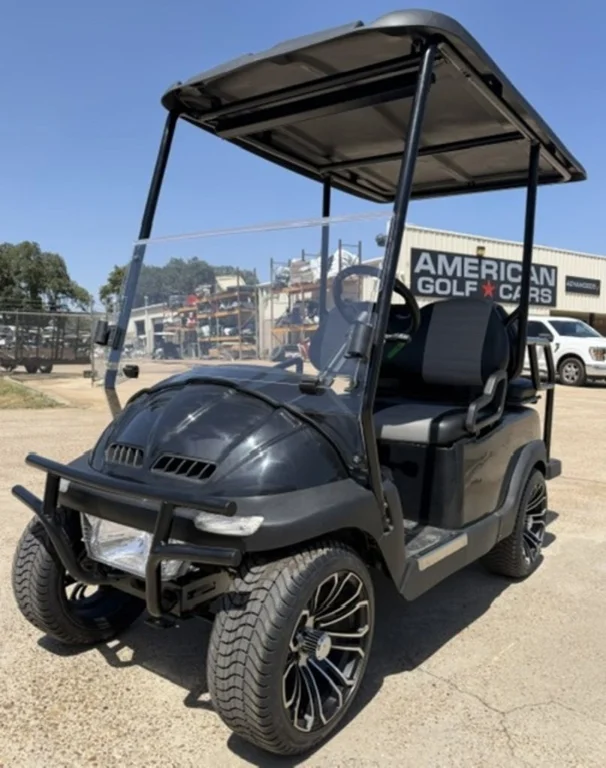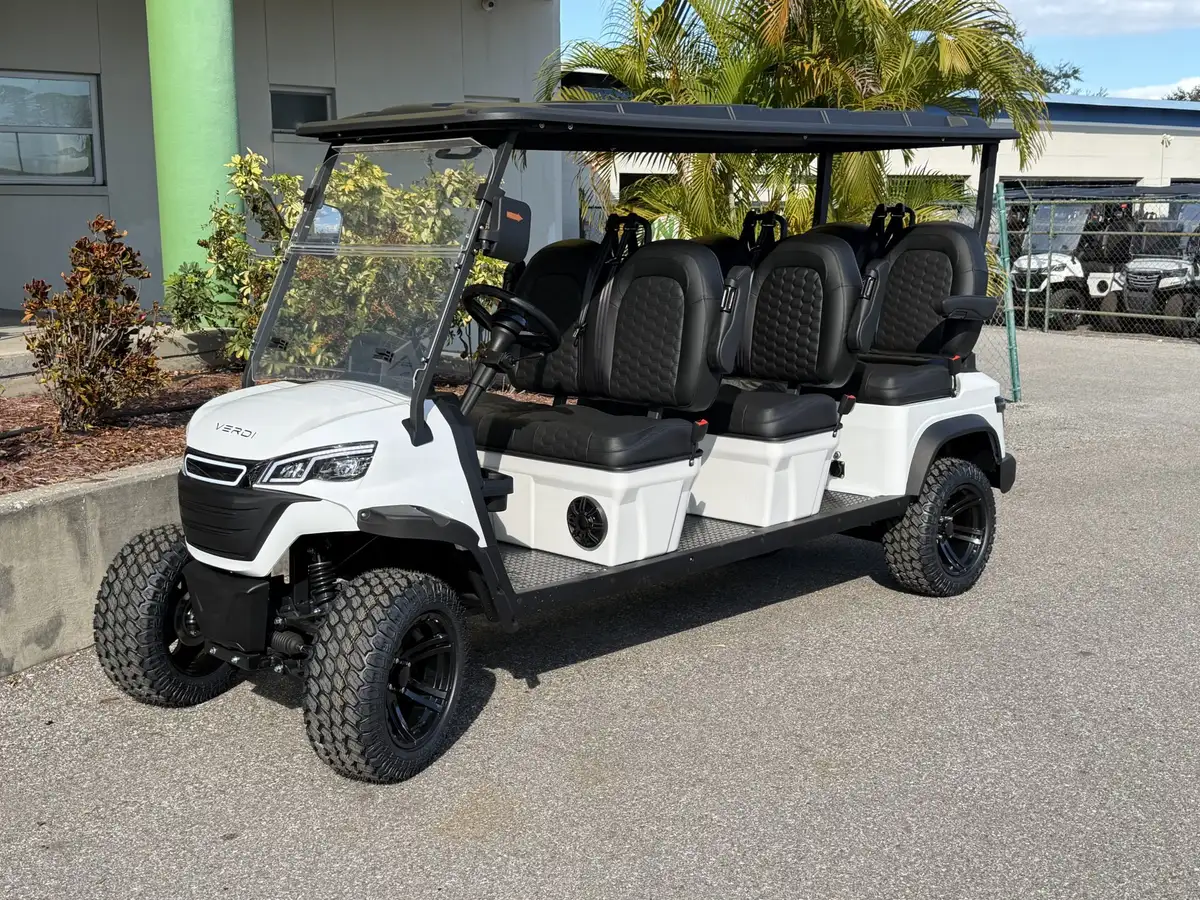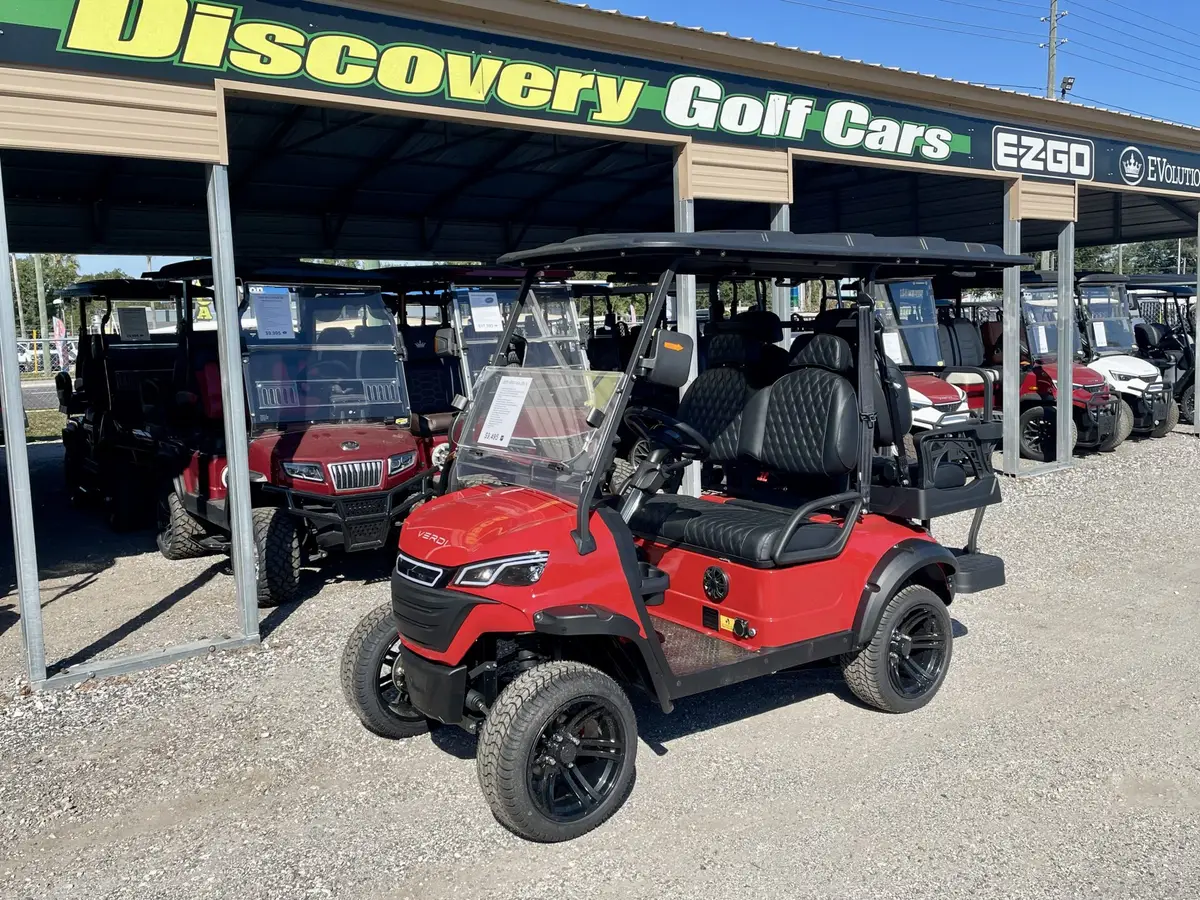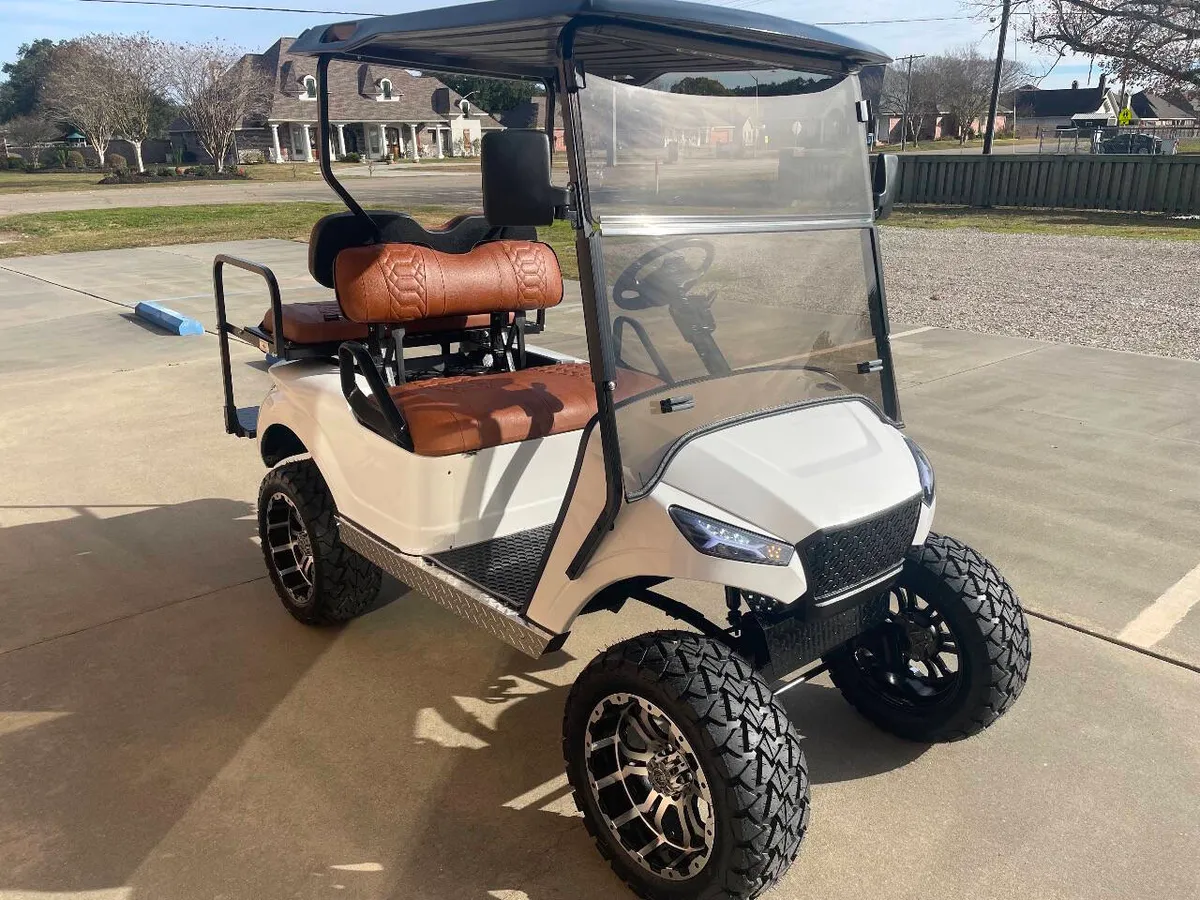
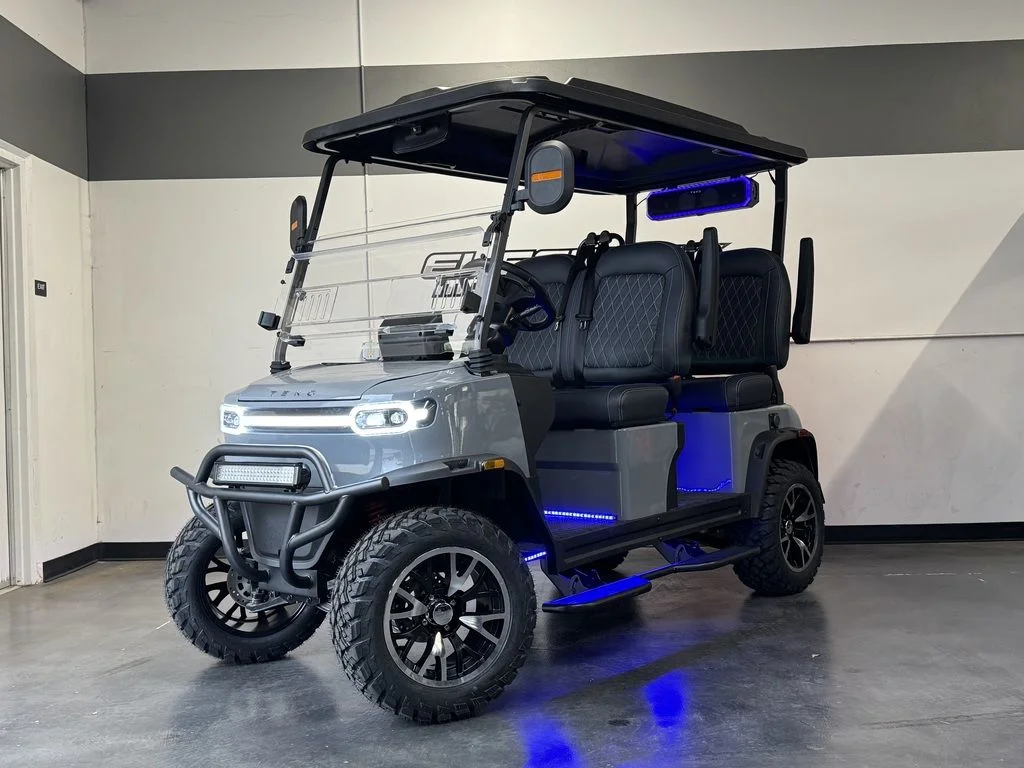
Golf cart transport methods compared
Whether you're hauling your cart to a vacation rental, a golf retreat, or a new home, getting it there safely comes down to three main options: a flatbed or utility trailer, a pickup truck bed, or a professional transport service. Trailers are the most common and most recommended method for most cart owners.
| Method | Best for | Key consideration |
|---|---|---|
| Open/flatbed trailer | Most carts, frequent use, short to medium distances | Affordable, easy to load, no weather protection |
| Enclosed trailer | Long distance, high-value or custom carts | 40–60% more expensive than open; verify interior height |
| Pickup truck bed | Short distances, standard 2-passenger carts only | Verify payload capacity and bed dimensions first |
| Professional transport service | Long distance, no trailer available, modified carts | Highest cost; verify licensing and insurance |
Each method has real tradeoffs in cost, convenience, and protection. Before committing to any of them, you need to know your cart's dimensions and weight. That data drives every decision that follows.
Golf cart dimensions and weight
Measure your cart before selecting a trailer or truck bed. A standard 2-passenger golf cart runs approximately 92 x 48 x 75 inches and weighs between 800 and 1,100 lbs. Electric carts are heavier than gas carts because batteries add 300 to 400 lbs to the total.
| Model | Fuel type | Weight |
|---|---|---|
| Club Car Villager (2-passenger) | Electric | 975 lbs |
| Club Car Villager (2-passenger) | Gas | 675 lbs |
| Club Car Carryall (4-passenger lifted) | Electric | 1,125 lbs |
| Club Car Carryall (4-passenger lifted) | Gas | 875 lbs |
| Club Car Precedent Stretch (6-passenger) | Electric | 1,293 lbs |
| Club Car Precedent Stretch (6-passenger) | Gas | 980 lbs |
Custom upgrades also matter. Lift kits raise the cart's overall height, which affects whether it clears the door of an enclosed trailer. Extended roofs add both height and width. Measure your modified cart with all accessories in place before choosing a transport method.
Electric cart battery safety tip: If you're transporting an electric cart long distance, disconnect the battery bank before departure. Avoid storing a lithium battery in a deeply discharged state, especially in cold weather, which can permanently reduce battery capacity.
Choosing the right trailer size and type
A 5x10 open trailer fits most standard 2-passenger golf carts and is the most commonly recommended size. Smaller carts may fit on a 5x8, though you may need to load the cart backward if it has a rear-facing seat. For 4- to 6-passenger carts, step up to a 6x12 or 6x14 trailer. Avoid anything smaller than 4x8, as it is considered unsafe for cart transport.
| Trailer size | Best for | Notes |
|---|---|---|
| 4x8 | Absolute minimum | Not recommended; limited margin for safe tie-downs |
| 5x8 | Smaller 2-passenger carts | May require backward loading |
| 5x10 | Most standard 2-passenger carts | Most popular size; fits 92-inch carts with room to spare |
| 6x12 or 6x14 | 4- to 6-passenger carts | Accommodates extended wheelbase models |
The trailer's Gross Vehicle Weight Rating (GVWR) must exceed the combined weight of the cart and the trailer itself. Leave a few inches of clearance on each side of the cart for tie-down access. A 48-inch-wide cart needs at least a 5-foot-wide trailer deck.
Trailer type options
Open or flatbed trailers are the most affordable option, easy to load, and practical for frequent short-distance use. Purchase prices run from a few hundred dollars to around $1,500, and rental costs a few hundred dollars for a single trip. Enclosed trailers cost 40 to 60% more than comparable open models but protect against weather, road debris, and theft. If you go enclosed, verify that the interior height clears your cart's roof or any lift kit accessories before booking or buying.
Tilt or swing-down ramp trailers simplify the loading process significantly and are worth considering if you plan to transport your cart regularly.
Tow vehicle requirements
Your tow vehicle must be rated to handle the combined weight of the loaded trailer. Add the cart's weight to the trailer's empty weight and confirm that total falls under your vehicle's rated towing capacity, found in the owner's manual.
| Requirement | What to check |
|---|---|
| Towing capacity | Must exceed cart weight plus trailer weight |
| Hitch ball size | Must match the trailer coupler; common sizes are 1-7/8" and 2" |
| Wiring harness | Tow vehicle must connect electrically to trailer for brake lights and turn signals |
| Trailer brakes | If trailer is brake-equipped, verify the controller is functional |
A missing or mismatched wiring connection is one of the most common oversights. Confirm all trailer lights, brake lights, and turn signals are functioning before leaving your driveway.
Equipment you need
Gather all transport equipment before loading day. The core kit includes loading ramps, ratchet straps, and wheel chocks. Skipping any of these creates a real risk of the cart shifting or rolling during transport.
| Equipment | What to look for |
|---|---|
| Loading ramps | Weight-rated above cart weight; aluminum is lighter than steel; arched ramps ease steep approaches |
| Ratchet straps (minimum 4) | Rated above cart weight; look for steel J-hooks; replace any frayed or corroded straps |
| Wheel chocks | Rubber or heavy-duty plastic; place in front of and behind each tire |
| Safety chains | Required to connect trailer to hitch in case of coupler failure |
When buying ramps, confirm the weight rating covers your specific cart. A 975-lb electric cart needs ramps rated for at least that load, accounting for dynamic force as the cart rolls up. Folding aluminum ramps are easiest to store, and arched designs handle shallow trailer approaches better than flat styles.
How to load a golf cart on a trailer
Follow this sequence every time you load. Skipping steps, especially the pre-connection checks, is how accidents happen.
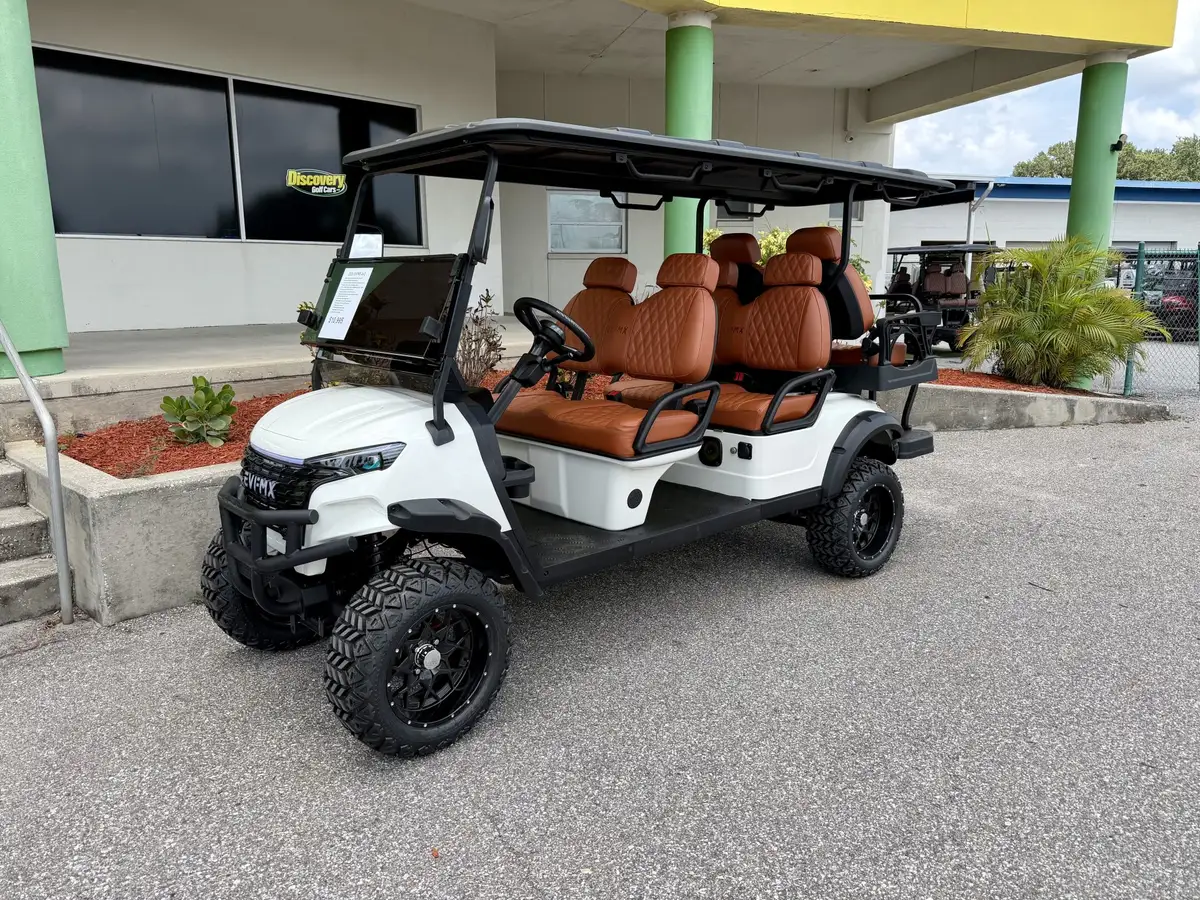
- Connect and inspect the hitch. Attach the trailer coupler to the hitch ball, lock it, and cross the safety chains under the tongue. Plug in the wiring harness and test all trailer lights.
- Park on level ground. Position both the tow vehicle and trailer on a flat, stable surface. Engage the tow vehicle's parking brake.
- Set up the loading ramps. Align ramps with the cart's tire track width. Confirm they are fully seated against the trailer deck and won't shift during loading.
- Prepare the cart. Engage the cart's parking brake before approaching the ramp. Remove or secure all loose accessories (see pre-transport checklist below).
- Drive or push the cart onto the trailer. Keep a slow, steady pace up the ramps. Do not accelerate suddenly or brake hard mid-ramp.
- Center the cart on the trailer deck. Position the cart evenly left to right and far enough forward to distribute weight over the axle properly.
- Engage the parking brake. Immediately apply the cart's parking brake once it is in position.
- Apply the four-corner strap method. Secure the cart as described in the next section.
- Final walkaround check. Verify straps, chocks, lights, and hitch connection before departure.
Never load a golf cart onto a trailer that is attached to a vehicle with the engine off and the parking brake disengaged. The trailer can roll during loading if the tow vehicle isn't secured.
Pre-transport cart preparation checklist
- Remove windshields, side mirrors, and any clip-on accessories
- Secure or remove seat cushions and floor mats
- Clear the cart of golf bags, tools, and any loose cargo
- Clean the cart body; dried dirt and debris can become road hazards at highway speeds
- Photograph the cart from all angles to document its condition before transport
- For electric carts on long trips: disconnect the battery bank and charge fully beforehand
How to secure a golf cart on a trailer
The four-corner ratchet strap method is the industry-standard approach. It creates an X-pattern of tension that prevents forward, backward, and lateral movement even on rough roads or during hard braking.
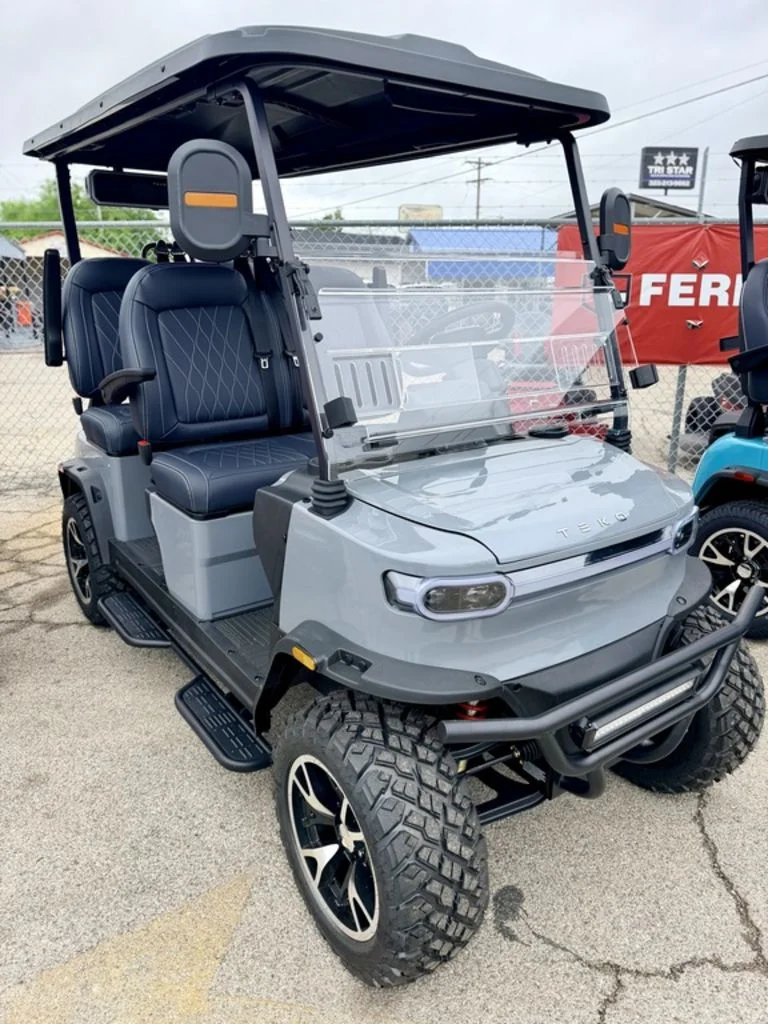
| Strap position | Attach from | Attach to |
|---|---|---|
| Front left | Front left frame corner or axle | Front left trailer anchor point |
| Front right | Front right frame corner or axle | Front right trailer anchor point |
| Rear left | Rear axle or tow hook, left side | Rear left trailer anchor point |
| Rear right | Rear axle or tow hook, right side | Rear right trailer anchor point |
Always attach straps to the metal frame, axles, or factory tow hooks. Never hook straps onto plastic body panels, trim pieces, or the roof frame. These components are not load-bearing and will break under tension.
For added security, run a fifth center strap over the roof connecting to anchor points on both sides of the trailer's midpoint. Place rubber or plastic wheel chocks in front of and behind each tire as a mechanical backup to the straps.
After your first 10 to 15 miles, pull over and re-check strap tension. Vibration during the first few miles of driving can cause straps to loosen slightly. A quick re-tighten prevents bigger problems down the road.
Transporting in a pickup truck bed
A full-size pickup with a 6.5-foot or 8-foot bed can carry a standard 2-passenger golf cart for short distances. This works for local moves or campground trips but is not ideal for highway hauls. Confirm all three of these specs before loading.
| Spec | Requirement |
|---|---|
| Bed length | Minimum 6.5 feet (78 inches); standard cart is 92 inches long, so an 8-foot bed is preferred |
| Bed width | Typically 48 to 55 inches; confirm the cart's 48-inch width fits with clearance |
| Payload capacity | Check the owner's manual; cart weighs 800 to 1,200 lbs and must fall under the truck's payload rating |
Use loading ramps set at approximately 30 degrees. Truck beds require a steeper ramp angle than trailers, so longer ramps reduce the slope and make loading safer. If the cart extends slightly beyond the tailgate, leave the tailgate down and secure it with a safety strap to prevent gate damage during transport. A bed extender can also help bridge the gap.
Apply the same four-corner strap method used for trailers, anchoring to the truck bed's tie-down rings. Add wheel chocks front and rear.
Hiring a professional transport service
If you don't have access to a trailer, are moving a modified or high-value cart long distance, or simply prefer not to handle it yourself, a professional golf cart transport service is a legitimate option. These companies specialize in vehicle transport and handle everything from loading to insurance.
When vetting a transport company, verify the following before booking:
- FMCSA registration: Any commercial carrier operating across state lines must be registered with the Federal Motor Carrier Safety Administration. Check their MC number on the FMCSA website.
- Cargo insurance: Confirm the carrier holds cargo insurance that covers the full value of your cart. Ask for a certificate of insurance before handing over your cart.
- Transport method: Ask whether they use open or enclosed carriers and confirm the trailer size accommodates your cart's dimensions.
- Condition documentation: A reputable company will complete a bill of lading with pre-transport condition photos. Insist on this if they don't offer it.
- Pickup and delivery windows: Understand the schedule and what happens if delivery is delayed.
Professional transport costs more than a trailer rental but removes equipment, skill, and logistics concerns entirely. It is the right call for long hauls, oversized carts, or situations where trailer availability is limited.
On-road safety tips
Safe driving with a trailer requires adjustments to your normal highway habits. Keep speed at or below 65 to 70 mph and allow significantly more braking distance than you would without a trailer attached.
| Safety practice | Why it matters |
|---|---|
| Stay under 65 to 70 mph | Reduces sway risk and braking distance; lighter open trailers are more susceptible to wind at high speed |
| Take wide turns | Trailers track inside the tow vehicle's turning arc; swinging wide prevents tire curb strikes |
| Stop every 1 to 2 hours | Lets you re-check strap tension, trailer lights, and hitch connection |
| Adjust for weather | Rain reduces braking traction; crosswinds increase sway on open trailers; slow down and increase following distance |
| Verify lights before each departure | Wiring connections can loosen at fuel stops; always re-check before pulling back onto the road |
Cold weather adds an extra consideration for electric carts. Battery capacity drops in low temperatures, which doesn't directly affect transport safety, but if you stop overnight and temperatures fall sharply, an undischarged lithium battery left in a cold trailer can sustain permanent damage. If you're making an overnight trip, bring the battery pack indoors or use an insulated cover. For more on protecting your power system, see our guide to golf cart batteries.
How to unload a golf cart from a trailer
Unloading carries the same injury and damage risks as loading. Reversing the process carefully is just as important as the steps you took to get the cart on.
- Park the trailer on level ground. Chock the trailer's tires before doing anything else so it cannot roll during unloading.
- Remove all straps. Unbuckle and remove ratchet straps one at a time, starting with the center strap if you used one, then working corner by corner. Inspect each strap for wear as you remove it.
- Remove wheel chocks. Pull chocks away from the tires once all straps are off.
- Set up the ramps. Position and secure the loading ramps against the trailer deck, aligned with the cart's wheel track.
- Release the parking brake and back the cart slowly down the ramps. Maintain control and let gravity work gradually rather than allowing the cart to roll freely.
- Inspect the cart. Walk around the cart and check for any new damage before driving it off. Compare against your pre-transport photos if there is any question.
Legal and insurance considerations
Trailer ownership comes with registration and licensing requirements in every state. Confirm the following before your first trip.
| Requirement | What to verify |
|---|---|
| Trailer registration | Register the trailer with your state DMV; requirements vary by trailer weight and type |
| License plates | Most states require a license plate on the trailer; some exempt very small utility trailers |
| Trailer brakes | Many states require trailer brakes above a certain gross weight; verify your trailer complies |
| Auto insurance coverage | A standard auto policy typically covers a trailer while it is attached and in use; verify with your insurer |
| Separate trailer insurance | Coverage for the trailer itself when not attached may require a separate rider or policy |
| State-specific towing regulations | Speed limits for towing, lighting requirements, and breakaway brake rules vary by state |
If your golf cart is high-value or heavily customized, talk to your insurance agent before transport. A standard auto liability policy may not cover damage to the cart itself during transit. A scheduled personal property rider or inland marine policy can fill that gap for a modest annual premium. Towing rules also vary significantly by location, so it's worth reviewing the golf cart laws by state that apply to your route before departure.
Frequently asked questions
What size trailer do I need for a golf cart?
A 5x10 open trailer fits most standard 2-passenger carts. Use a 5x8 for smaller carts and a 6x12 or 6x14 for 4- to 6-passenger models. Never go smaller than 4x8, as it does not provide enough room for safe tie-downs.
How much does a golf cart weigh?
Most golf carts weigh between 800 and 1,100 lbs. Electric carts are heavier because the battery pack adds 300 to 400 lbs over a comparable gas model. A 6-passenger electric cart can exceed 1,293 lbs.
How do you secure a golf cart on a trailer?
Use the four-corner ratchet strap method: two straps from the front frame corners to the front trailer anchor points, and two from the rear axle or tow hooks to the rear trailer corners. Add wheel chocks front and rear as a backup. Always attach straps to metal frame components, never to plastic panels.
Can you put a golf cart in a truck bed?
Yes, for standard 2-passenger carts and short distances. You need a full-size truck with a 6.5-foot or 8-foot bed, a payload rating above the cart's weight, and ramps set at approximately 30 degrees. Apply ratchet straps using the truck bed's tie-down rings.
Can you transport a golf cart in an enclosed trailer?
Yes. Enclosed trailers offer weather and theft protection and are the better choice for long-distance transport. They cost 40 to 60% more than open trailers, and you must verify the interior height clears your cart's roof or any lift kit before loading.
How fast can you drive when towing a golf cart?
Keep speed at or below 65 to 70 mph. Higher speeds increase trailer sway risk and extend braking distance. Reduce speed further in rain, wind, or on winding roads.
What equipment do I need to transport a golf cart?
At minimum: a properly rated trailer, a set of loading ramps, four ratchet straps, wheel chocks, and a functioning trailer wiring harness. A fifth center strap for additional security is optional but recommended for long hauls.
How much does a golf cart trailer cost?
Open utility trailers cost from a few hundred dollars to around $1,500 to buy, or a few hundred dollars to rent for a single trip. Enclosed trailers cost 40 to 60% more than comparable open models.
Should I hire a professional transport company or do it myself?
Doing it yourself makes sense if you have access to a suitable trailer and tow vehicle. Hiring a professional is worth considering for long-distance hauls, high-value or modified carts, or when you lack the right equipment. Always verify FMCSA registration and cargo insurance before booking any carrier.
Do I need to remove accessories before transporting?
Yes. Remove or secure windshields, seat cushions, floor mats, and any clip-on accessories before loading. Loose items become road hazards at highway speeds and can shift weight unexpectedly during transport.