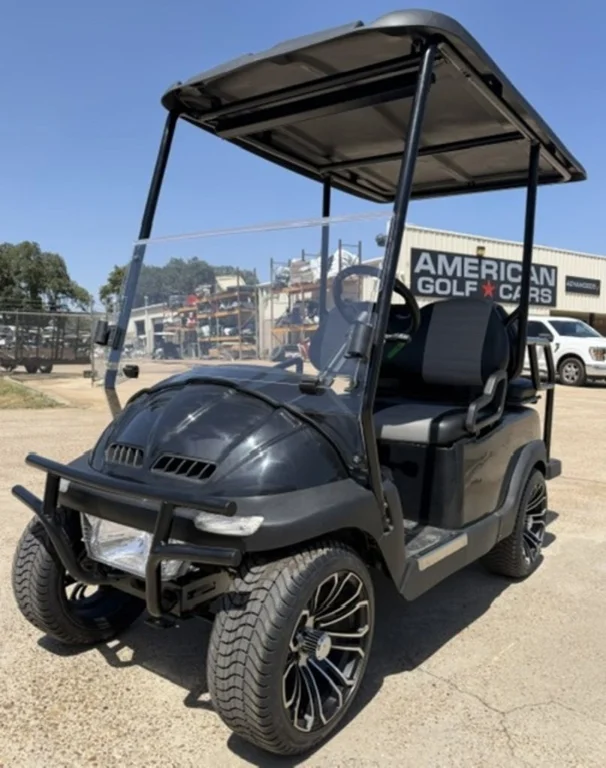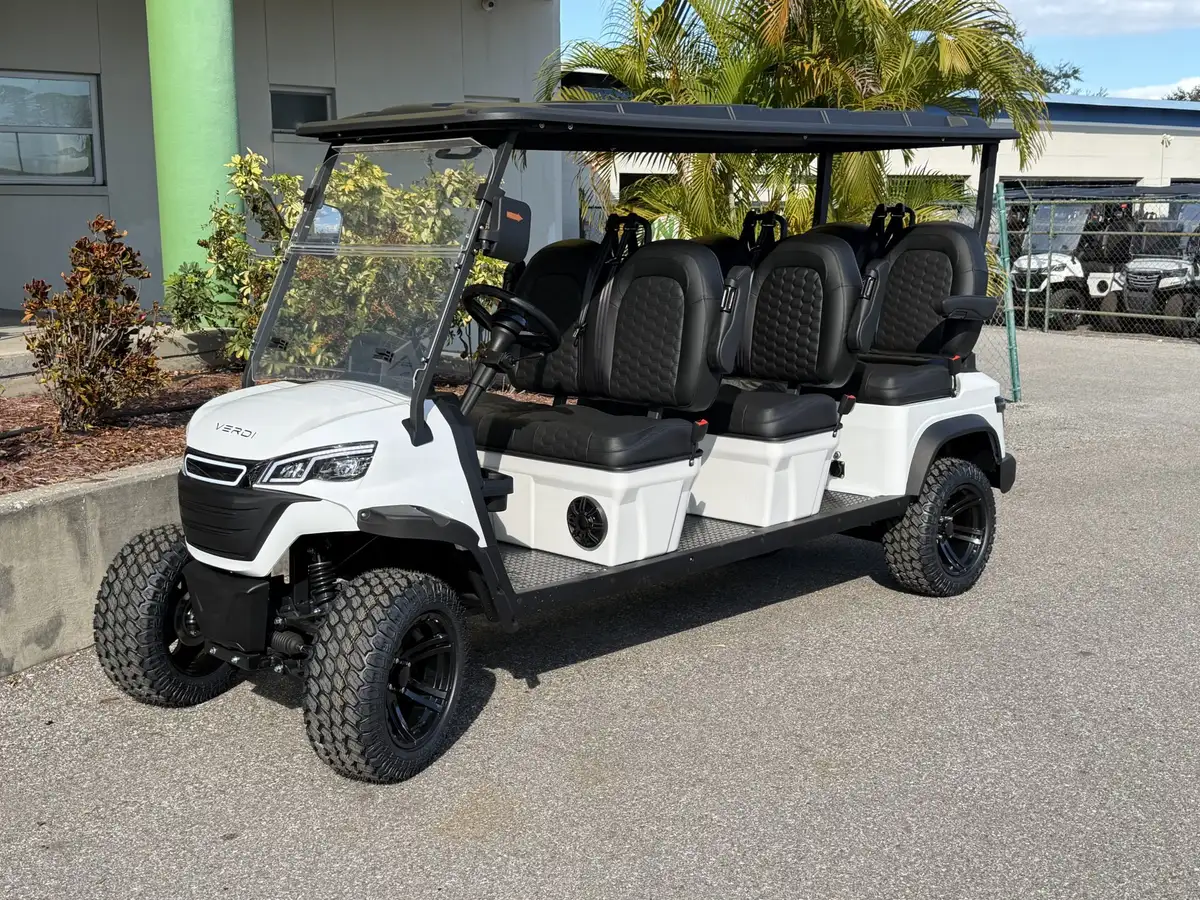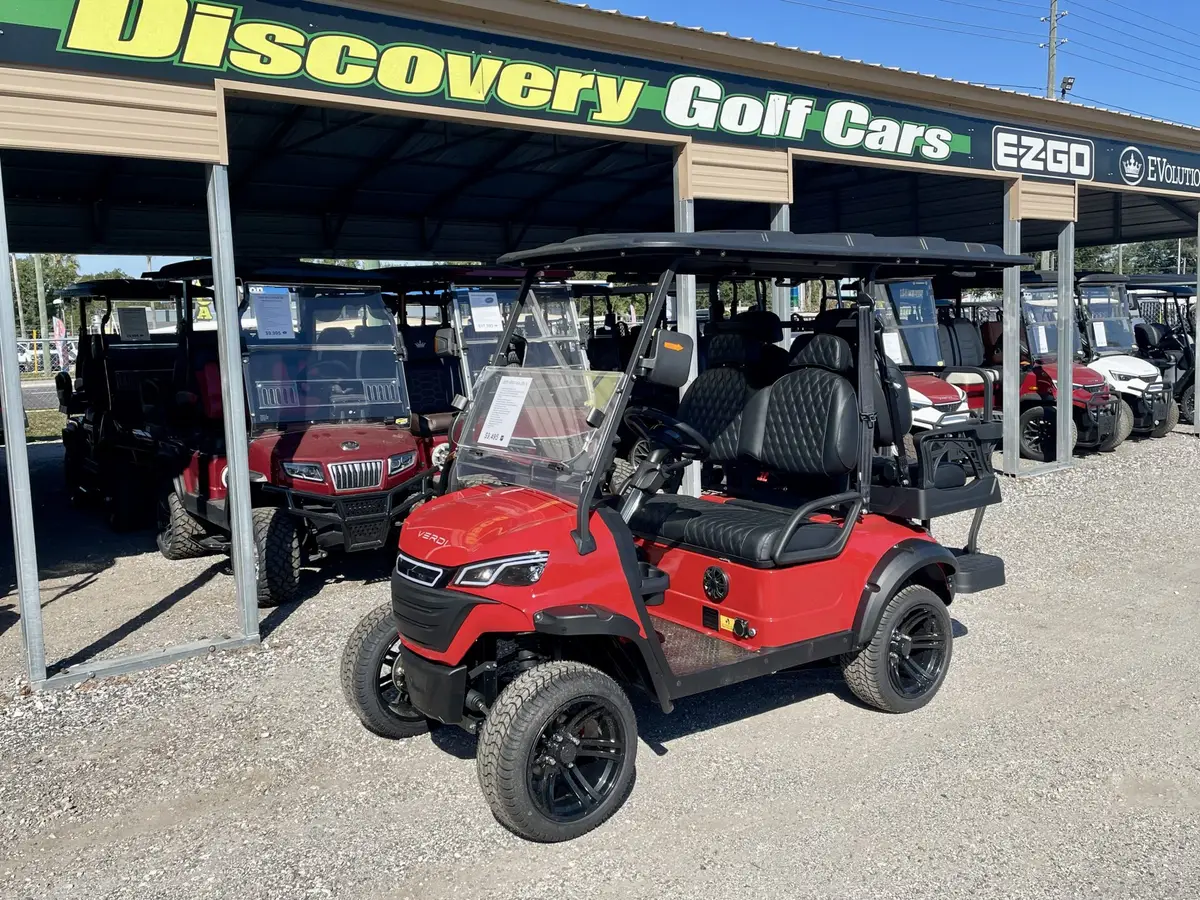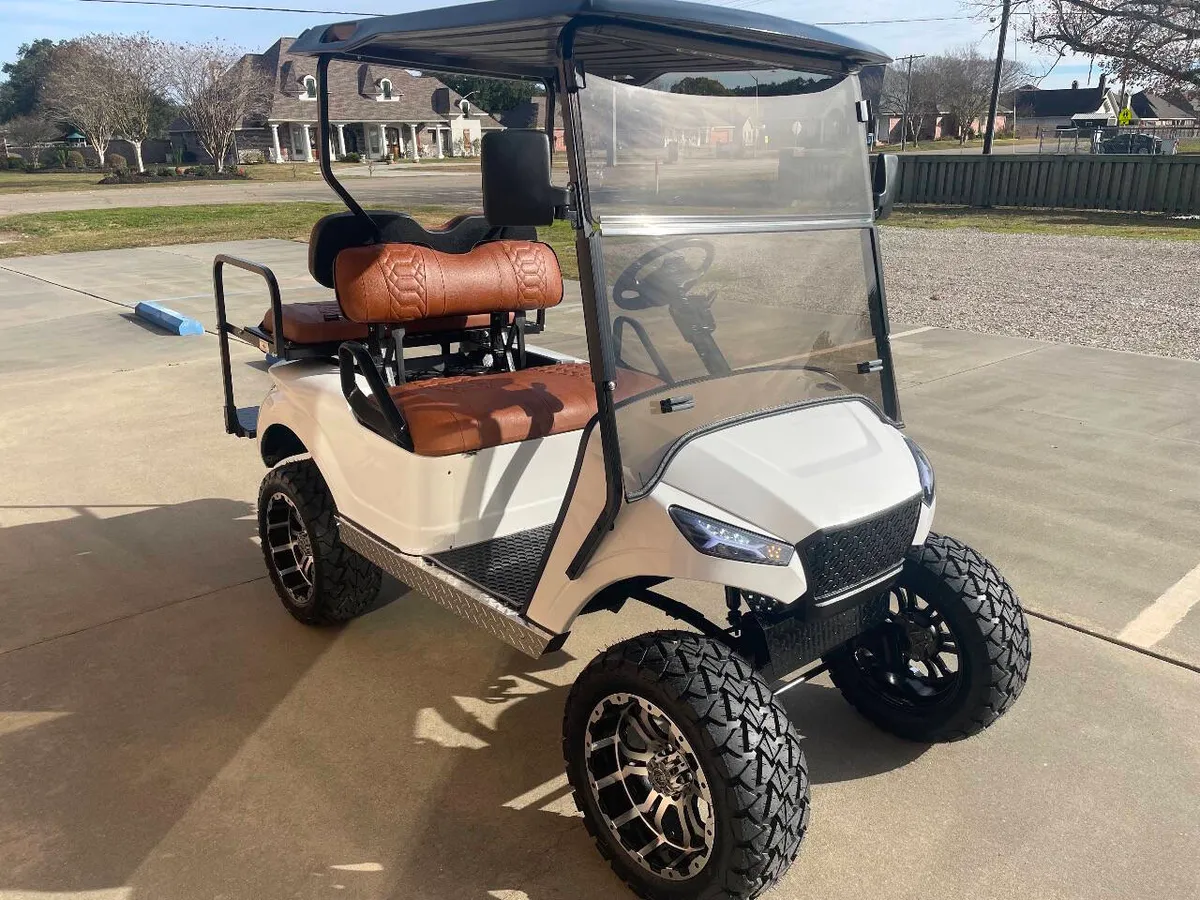
Are golf carts street legal in Indiana?
Golf carts are not street legal in Indiana by default. State law prohibits them from operating on public roads unless a local government — a city, town, or county — has passed a specific ordinance permitting it. Without that ordinance, golf carts are restricted to private property and golf courses. This authority flows from Indiana Code IC 9-21-1-3.3, which grants local governments the power to regulate golf cart use on their own public roads.
If your community has passed an ordinance, you must still follow every rule it sets, including equipment, registration, insurance, and age requirements. If it has not, driving on public roads exposes you to fines, liability, and potential gaps in insurance coverage with no legal basis to operate.
How to find your local ordinance: Contact your city or county clerk's office directly, or search your municipality's name on the Indiana General Assembly's website or a municipal code database like Municode. Indiana communities with active golf cart ordinances include Gas City, Madison, Lawrenceburg, Lapel, Cicero, and Jasper, among others.
Golf cart vs. low-speed vehicle (LSV) in Indiana
Indiana law draws a hard line between golf carts and low-speed vehicles (LSVs). These are legally distinct vehicle categories with very different registration requirements and road access. Confusing the two is one of the most common mistakes Indiana buyers make.
| Feature | Golf cart | Low-speed vehicle (LSV) |
|---|---|---|
| Top speed | Under 20 mph | 20 – 25 mph (maximum design speed) |
| VIN required | No | Yes — 17-digit VIN |
| BMV title and registration | Not eligible (IC 9-18.1-2-2) | Required through Indiana BMV |
| Road access | Only where local ordinance permits (typically 30 mph roads) | Statewide on roads posted 35 mph or less (IC 9-21-9-0.5) |
| Insurance required | Required by many local ordinances | Required for BMV registration |
| Driver's license | Valid license or ID (age 16 years, 180 days+) | Full valid Indiana driver's license |
| Federal safety standards | None at state level — set by local ordinance | Must meet 49 CFR 571.500 |
| Governing statute | IC 9-21-1-3.3 | IC 9-13-2-94.5; IC 9-21-9-0.5 |
Indiana's LSV definition under IC 9-13-2-94.5 explicitly excludes golf carts. An LSV must be electrically powered, capable of 20 to 25 mph, and equipped with a 17-digit VIN from the manufacturer. LSVs receive a standard license plate and must carry liability insurance to be titled. Golf carts cannot be titled or registered with the Indiana BMV under any circumstances.
If you need a vehicle you can drive legally on Indiana roads without depending on a local ordinance, an LSV is the correct path forward — not a modified golf cart. For a broader look at how these rules vary across the country, see our guide to golf cart laws by state.
Where you can and cannot drive a golf cart
Even in communities with a golf cart ordinance, road access is limited. Most ordinances restrict golf carts to roads with posted speed limits of 30 mph or less, which aligns with examples from Gas City and other Indiana communities. The Gas City ordinance also confirms that golf carts may cross state highways at right-angle intersections under county ordinances, but cannot travel along them.
| Location | Golf cart permitted? |
|---|---|
| Local roads (30 mph or less, with ordinance) | Yes |
| State highways (traveling along) | No |
| State highway intersections (crossing at right angles) | Sometimes — county ordinances may permit this |
| Interstate highways | Never |
| Sidewalks | No |
| Private property and golf courses | Yes (no ordinance needed) |
| Communities without a golf cart ordinance | No public roads |
Nighttime operation varies by community. Where it is allowed, local ordinances typically require headlights, taillights, and a slow-moving vehicle (SMV) emblem visible from 500 feet. Check your local ordinance directly before assuming nighttime use is permitted.
No local ordinance means no public road access. Driving a golf cart on public roads in a community that has not passed a permitting ordinance is illegal regardless of how slowly or carefully you drive. You face fines, potential liability exposure, and almost certain insurance gaps if an incident occurs.
Required equipment for golf carts
Indiana state law sets no equipment standards for golf carts. Requirements are established entirely by local ordinances, which means what is required in Gas City may differ from what is required in Madison or Lapel. That said, most ordinances follow a similar baseline.
| Equipment item | Typical local requirement |
|---|---|
| Headlights | Two operating lights, one on each side of the front |
| Taillights | Visible from 500 feet |
| Brake lights | Required |
| Slow-moving vehicle (SMV) emblem | Visible from 500 feet |
| Rearview mirror | Required by many communities |
| Safety flag | Required in some communities |
These are common requirements, not universal ones. Before adding lights and assuming your cart is compliant, contact your local city or town clerk to confirm exactly what your ordinance requires. Some communities also require a numbered registration tag affixed directly to the SMV sign.
LSVs face a different and stricter standard. They must meet Federal Motor Vehicle Safety Standards under 49 CFR 571.500, which includes headlights, taillights, brake lights, turn signals, reflectors, a windshield, rearview mirrors, seat belts, a parking brake, and a 17-digit VIN.
Can modifications make a golf cart into an LSV? No. Adding lights, a windshield, or seat belts to a golf cart does not reclassify it as an LSV under Indiana law. An LSV must be manufactured as such, with a 17-digit VIN and a design speed of 20 to 25 mph. Modifications may help satisfy local equipment requirements, but they do not change the legal category of the vehicle.
Registration and local permits
Golf carts cannot be titled or registered with the Indiana BMV under IC 9-18.1-2-2. However, many local ordinances require their own registration process through the city or county. This is a separate system from the BMV and varies by community.
| Community | Local registration requirement | Fee |
|---|---|---|
| Gas City | Annual registration with City Clerk; numbered tag issued and affixed to SMV sign; due by May 1 | $25.00 per year |
| Madison | Registration, proof of insurance, and permit sticker through the city | Varies |
| Lapel | Local registration process required | Varies |
A general registration process in communities that require it typically works as follows:
- Contact your city or town clerk's office to confirm golf carts are permitted and to obtain the application.
- Provide proof of ownership, proof of insurance (if required), and any other documents your ordinance specifies.
- Pay the registration fee. Gas City charges $25.00 annually.
- Receive your permit certificate and numbered tag, then affix the tag to your golf cart's SMV emblem as directed.
- Renew annually. Gas City's deadline is May 1 each year.
LSVs follow a completely different process. They require a full BMV title and registration using the Manufacturer's Certificate of Origin or a valid existing title with a 17-digit VIN, resulting in a standard Indiana license plate.
Golf cart insurance in Indiana
Indiana state law does not explicitly require insurance for golf carts, but the question of coverage is far from simple. Golf carts are not among the vehicles exempt from Indiana's Financial Responsibility laws, which means the legal picture is ambiguous and the financial risk of operating uninsured is significant.
| Scenario | Typical coverage situation |
|---|---|
| Local ordinance requires insurance | Proof of liability coverage required to register or operate |
| Homeowners insurance | May cover on-premises use only; often excludes public road liability |
| Auto insurance | Golf cart must typically be added within 30 days of purchase to be covered |
| Dedicated golf cart policy | Most complete coverage for public road use; available through specialty insurers |
| LSV insurance | Required for BMV title and registration |
Many local ordinances, including those in Gas City, Madison, and Lawrenceburg, require liability insurance at or above Indiana's statutory minimums for motor vehicles. Even where insurance is not mandated by ordinance, driving without coverage creates serious exposure if you cause an accident or injure someone.
Before operating your golf cart on public roads, ask your insurance agent these specific questions:
- Does my homeowners policy cover golf cart liability on public roads, or only on my property?
- Does my auto policy cover a golf cart, and does it need to be added as a named vehicle?
- Is there a time window (often 30 days) after purchase during which it must be added to maintain coverage?
- Would a standalone golf cart insurance policy provide better protection for road use in my community?
Age and license requirements
Indiana state law under IC 9-24-1-7 sets the minimum age for golf cart operation on public roads. The operator must hold a valid driver's license, or be at least 16 years and 180 days old with a valid state-issued ID card. Local ordinances can set a higher minimum; some communities require operators to be 18 or older.
| Vehicle type | Minimum age and license requirement |
|---|---|
| Golf cart (state minimum) | Valid driver's license, or age 16 years, 180 days with valid state ID |
| Golf cart (Gas City ordinance) | Valid driver's license required; no ID card alternative mentioned |
| LSV | Full valid Indiana driver's license required |
Local ordinances take precedence over the state minimum where they are stricter. Always verify the specific age and license requirement in your community before allowing a young driver to operate a golf cart on public roads.
DUI and traffic law enforcement
Golf cart operators on public Indiana roads are subject to the same traffic laws as any other driver, including full DUI enforcement. Indiana law enforcement agencies, including the Johnson County Sheriff and Vanderburgh County Sheriff, have confirmed that operating a golf cart while impaired on a public road carries the same legal consequences as driving a car drunk.
All standard traffic rules apply: stop signs, traffic signals, right-of-way, and speed limits. Violations of local golf cart ordinances on state highways are treated as ordinance violations, with fines directed into the local general fund.
Gas City's ordinance provides a useful benchmark for penalties:
- Operating in violation of the ordinance: up to $500.00 (Class C infraction)
- Owner or lessee violations: up to $100.00 per violation
- Repeat offenses within one year: permit revocation for a minimum of one year
Passenger and safety rules
Local ordinances also govern how many people can ride in a golf cart and how they must be seated. Under IC 9-21-1-3.3(c), county ordinances are required to set passenger limits. City and town ordinances typically mirror this approach.
The Gas City ordinance reflects the standard that most communities follow:
- Occupants are limited to the golf cart's factory-installed seating capacity
- No body parts may extend outside the perimeter of the vehicle
- Riding on another occupant's lap is prohibited
These rules apply at all times while the golf cart is on a public road. Overcrowding a golf cart, even at low speeds, is a violation that can result in fines and permit revocation. If you are still evaluating which cart to purchase, our golf cart buying guide covers what to inspect and compare before committing to a model.
Frequently asked questions
Can I drive a golf cart anywhere in Indiana if my community has an ordinance?
No. Your ordinance only authorizes use within that jurisdiction's permitted roads, typically those with speed limits of 30 mph or less. You cannot cross into another community and assume permission extends there. Each community's ordinance governs only its own roads.
Can I register my golf cart with the Indiana BMV?
No. Golf carts are explicitly excluded from Indiana BMV title and registration under IC 9-18.1-2-2. Local permits issued through your city or town clerk are separate from BMV registration and do not result in a state license plate.
Can you get a DUI on a golf cart in Indiana?
Yes. Once a golf cart is operating on a public road under a local ordinance, the operator is subject to Indiana's DUI laws. Law enforcement agencies across Indiana have confirmed this applies the same way it does to any other motor vehicle.
Can I drive a golf cart at night in Indiana?
It depends on your local ordinance. Where nighttime operation is allowed, your golf cart must typically have functioning headlights, taillights, and an SMV emblem visible from 500 feet. Some communities prohibit nighttime operation entirely. Check your ordinance directly to confirm what is permitted.
What happens if my community has no golf cart ordinance?
You cannot legally drive on any public road. Doing so could result in fines, and if an accident occurs, you are likely operating without valid insurance coverage, since most policies exclude illegal vehicle use. Your financial and legal exposure in this situation is significant.
Do I need insurance for my golf cart in Indiana?
State law does not explicitly mandate it, but many local ordinances do. Even where it is not required, operating without coverage is a serious financial risk. Check both your local ordinance and your existing insurance policies, as homeowners and auto policies often have significant gaps for golf cart road use.
Can a 16-year-old drive a golf cart in Indiana?
Potentially yes, under state law, if they are at least 16 years and 180 days old with a valid state-issued ID card. However, local ordinances may require a full driver's license or set a higher minimum age. Always check your community's specific ordinance before allowing a young driver to operate on public roads.
Is a golf cart the same as a low-speed vehicle (LSV) in Indiana?
No. Indiana law explicitly excludes golf carts from the LSV definition under IC 9-13-2-94.5. An LSV must have a 17-digit VIN, be capable of 20 to 25 mph, and meet federal safety standards. Golf carts top out under 20 mph and cannot be titled or registered with the BMV regardless of any modifications made to them. For a comparison of neighboring state rules, see our articles on Michigan golf cart laws and Iowa golf cart laws.
Laws change: Indiana's golf cart statutes and local ordinances can be updated at any time. Always verify current rules with your local city or county clerk and consult the Indiana BMV or Indiana General Assembly for the most current statutory language before operating on public roads.