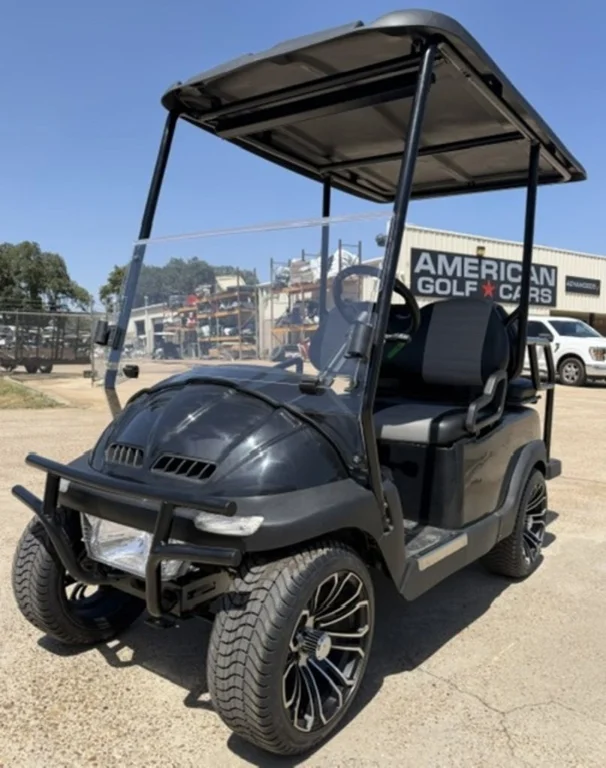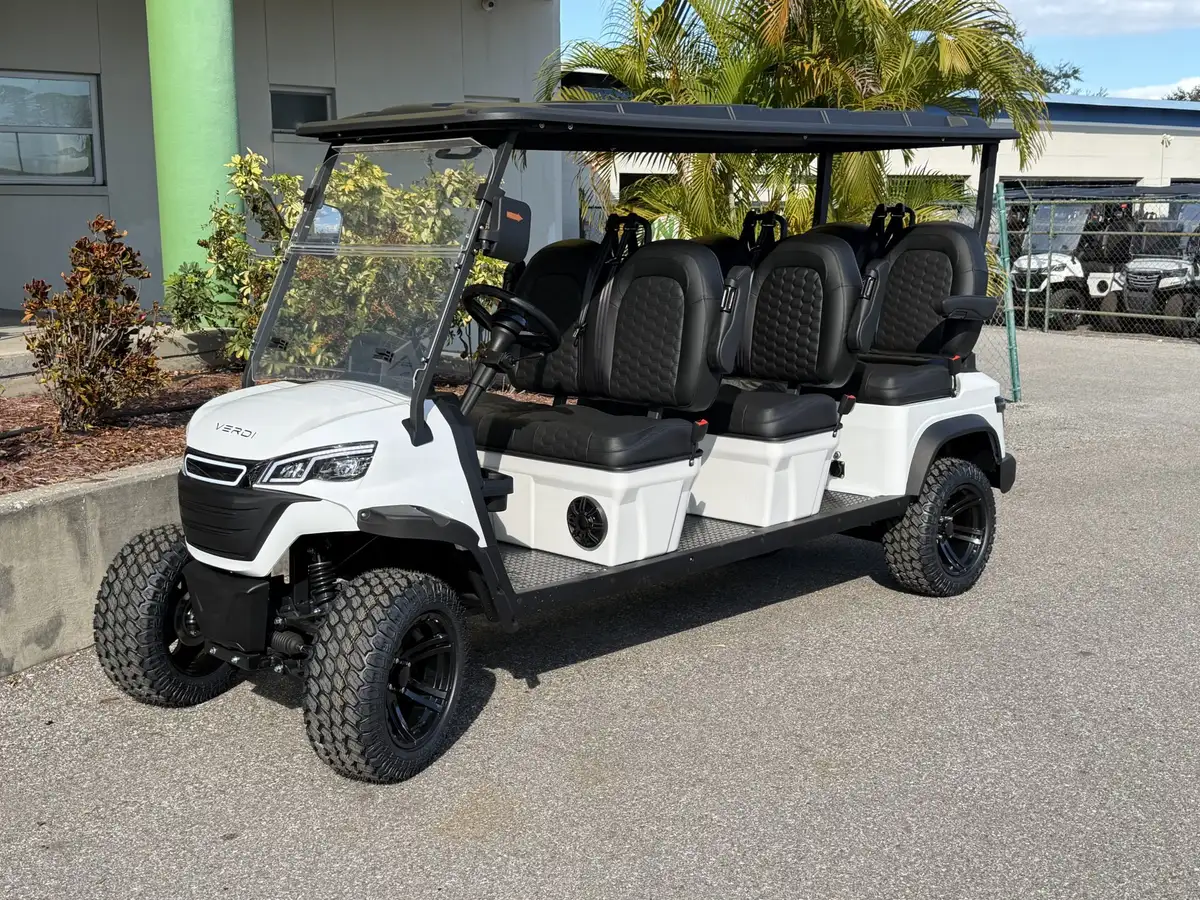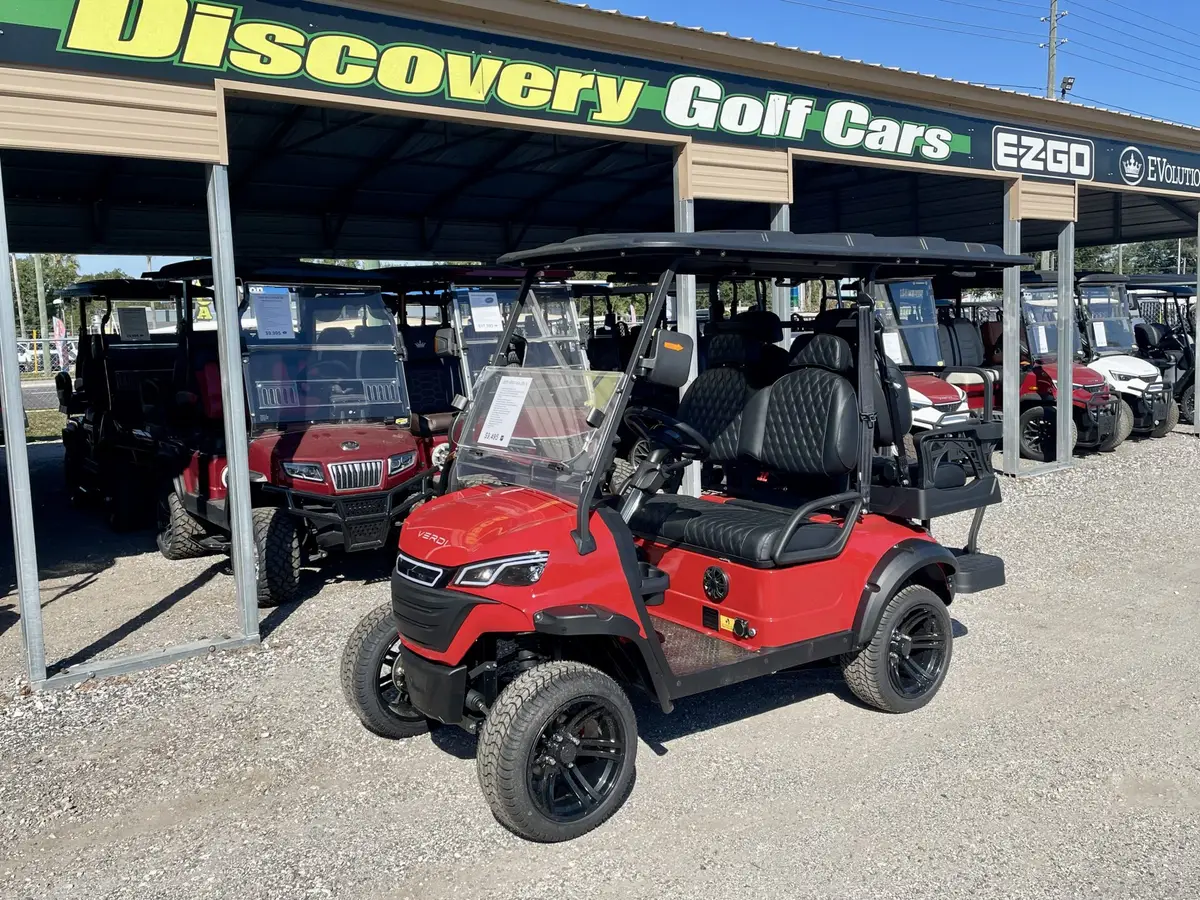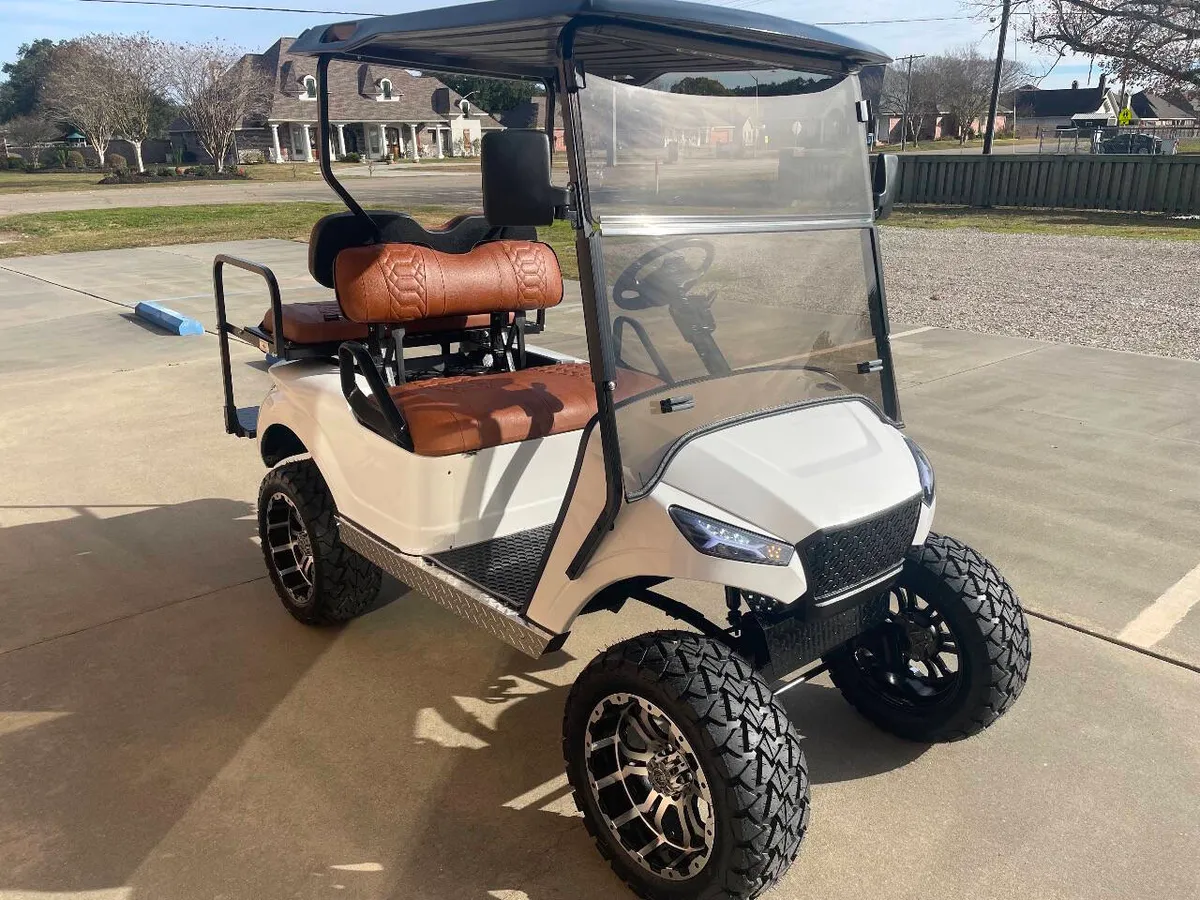
The golf cart brand landscape in 2025
The golf cart market has never been more competitive or more confusing. The traditional "Big 3" (Club Car, E-Z-GO, and Yamaha) still dominate dealer lots and golf courses, but a wave of electric-focused brands launched between 2017 and 2023 has reshaped what buyers can expect at every price point. More features, more lithium options, and more direct-to-consumer models are now available at a range of prices.
The honest answer to "which brand is best" is that no single brand wins across every category. The right brand depends on your use case, your local dealer network, and how you plan to power and maintain the cart over the long term. This guide breaks down the major brands, what they actually cost, and how to compare them before you buy.
| Brand | Founded | Best known for | Publishes pricing? |
|---|---|---|---|
| Club Car | 1958 | Aluminum frame, PGA partnership, US assembly | Yes |
| E-Z-GO | 1954 | Largest dealer network, accessories ecosystem | Yes |
| Yamaha | 1975 (golf carts) | Gas reliability, 4-year warranty | Yes |
| ICON EV | 2017 | Feature-rich electric at lower price points | No |
| Evolution | 2007 | Lithium standard on all models | Yes |
| Denago EV | 2023 | Aluminum frame, LiFePO4 battery, long warranty | Partial |
| Garia | 2005 | Luxury and bespoke segment | No |
| Tomberlin | 2006 | Purpose-built street-legal, cabin climate control | No |
Club Car, E-Z-GO, and Yamaha: the Big 3 compared
The Big 3 have the longest track records, the widest dealer networks, and the most established resale markets. If long-term parts availability and independent shop serviceability matter to you, starting here is a reasonable default. That said, each brand has distinct strengths, and their pricing and warranty terms differ more than most buyers expect.
| Brand | Entry model | Entry MSRP | Frame | Dealer network | Warranty highlight |
|---|---|---|---|---|---|
| Club Car | Onward 2 Passenger | $10,099 | Aluminum | 350+ dealers | 2 to 3 years by component |
| E-Z-GO | Valor | $8,374 | Steel | 400+ dealers | 8-year ELiTE lithium battery |
| Yamaha | Drive2 PTV QuieTech EFI | $9,899 | Steel | Nationwide network | 4-year limited vehicle warranty |
Club Car
Club Car is assembled 100% in Augusta, Georgia, using roughly 80% US-sourced parts, and it is the official cart of the PGA of America. The brand's most significant differentiator is its aluminum frame, which resists corrosion and tends to hold structural integrity longer than steel alternatives. The Onward lineup starts at $10,099 for a 2-passenger model and reaches $15,799 for a 6-passenger configuration.
One important correction to a widespread myth: Club Car does not carry a 4-year warranty across the board. Coverage is 2 to 3 years depending on the component. If an extended warranty was a primary reason you were considering Club Car, verify the current published terms with your dealer before buying.
Club Car acquired Danish luxury brand Garia in 2022, adding a bespoke, premium-tier option to its portfolio for buyers who want something beyond the standard lineup.
E-Z-GO
Founded in 1954 and now owned by Textron, E-Z-GO operates the largest authorized dealer network of any golf cart brand, with more than 400 dealers across the US. That scale translates directly into easier service access and better parts availability for older units. The entry-level Valor starts at $8,374, making it the most affordable published price among the Big 3.
E-Z-GO's standout warranty feature is the 8-year coverage on its ELiTE lithium battery pack. Note that there is no separately published vehicle-level warranty term, so confirm overall coverage details with your dealer. The brand also has one of the deepest accessories and customization ecosystems in the industry.
Yamaha
Yamaha entered the golf cart segment in 1975 and built its reputation primarily on gas-powered reliability. The Drive2 PTV QuieTech EFI uses Yamaha's proprietary QuieTech engine technology for reduced noise and vibration, and the 2027 model is priced at $9,899. For buyers who need gas range without refueling anxiety, Yamaha is the clearest Big 3 choice.
Yamaha also offers the only verified 4-year limited warranty among the Big 3 for its Drive2 line, which is a meaningful differentiator. The UMAX utility series carries a shorter 2-year warranty, so make sure you are comparing the correct model when evaluating coverage.
ICON EV, Evolution, and Denago: the new challengers
Three brands have emerged as credible alternatives to the Big 3 for buyers who prioritize lithium technology, feature density, or value per dollar. None of them has the dealer depth or track record of Club Car or E-Z-GO, but each offers something the legacy brands don't match at the same price point.
| Brand | Entry model / MSRP | Battery standard | Frame | Key warranty term |
|---|---|---|---|---|
| ICON EV | Dealer quote only | Lithium (Eco Lithium option) | Steel | 3-year vehicle, 8 to 10 years battery |
| Evolution | D5 Ranger 2+2 Plus: $9,699 | Lithium standard (48V/72V) | Steel | 2 years parts, 5 or 8 years battery, lifetime chassis |
| Denago EV | Scout 2: $8,495 | 51.2V LiFePO4 | Aluminum | Lifetime chassis, 8 years battery, 2 years other parts |
ICON EV
Founded in 2017 in Tampa, Florida, ICON EV is now one of the most visible electric-focused brands in the neighborhood and community cart market. The brand operates a family of labels including ICON EV, Epic, and Pure. ICON does not publish pricing, so you will need to contact a dealer for a quote, which makes direct comparison shopping harder.
ICON's Eco Lithium battery carries an 8 to 10 year warranty, and the vehicle itself is covered for 3 years. The brand has grown its dealer footprint quickly, but it remains thinner than the Big 3, particularly in rural areas.
Evolution
Evolution was founded in California in 2007 and made a deliberate decision to include lithium batteries as standard across every model in its lineup, not as an upgrade. The D5 Ranger 4 Plus is currently the most affordable published 4-seat lithium cart from any major brand at $10,699. The D5 Ranger 2+2 Plus starts at $9,699.
Evolution's warranty is often misquoted. Actual terms are 2 years on parts, 5 or 8 years on the battery depending on the model, and a lifetime warranty on the chassis only. If you see a blanket "5-year warranty" claim for Evolution elsewhere, dig deeper before relying on it. For a closer look at how Evolution stacks up against one of the Big 3, see our Evolution vs. E-Z-GO buyer-focused comparison.
Denago EV
Denago is the newest entrant in this comparison, founded in 2023 in St. Petersburg, Florida, by the parent company behind TAO Motors e-bikes. Despite being new, Denago offers a compelling spec sheet: an aluminum frame (shared only with Club Car among major brands), a 51.2V LiFePO4 battery chemistry, and a warranty structure that includes a lifetime chassis guarantee and 8-year battery coverage. The Scout 2 is listed at $8,495, though pricing appears only in blog content rather than on model pages. Our Denago golf carts review covers features, ownership considerations, and common buying questions in more detail.
Denago is a brand-new company. Its warranty terms look excellent on paper, but long-term parts availability and dealer support are unproven. Buy with that in mind.
Specialty and niche brands worth knowing
Beyond the mainstream brands, several manufacturers serve specific segments well. Garia and Tomberlin address opposite ends of the street-legal and luxury market, while brands like Star EV, Advanced EV, Bintelli, Atlas, Cushman, and Venom fill utility, fleet, and budget niches.
| Brand | Niche | Pricing | Notable feature |
|---|---|---|---|
| Garia | Luxury / bespoke | Dealer quote only | Denmark-founded, Club Car-owned since 2022 |
| Tomberlin | Street-legal / car-like | Dealer quote only | Cabin heating and AC, E-Merge launched 2006 |
| Cushman | Commercial / fleet utility | Dealer quote only | Heavy-duty work configurations |
| Star EV / Advanced EV | Mid-range electric | Dealer quote only | Broad model range, growing dealer presence |
| Bintelli / Atlas / Venom | Budget / entry electric | Dealer quote only | Lower upfront cost; parts longevity concerns |
Tomberlin deserves a specific callout for street-legal buyers. It launched the E-Merge in 2006 as the first purpose-built street-legal golf cart and continues to design around LSV (Low Speed Vehicle) requirements, including car-like features such as cabin heating and air conditioning. If your primary use is neighborhood roads or streets posted at 35 mph or under, Tomberlin is worth a closer look.
Budget brands with Chinese-sourced components (Bintelli, Venom, Kandi, and similar) carry real long-term risk around parts availability. Golf cart owner communities on Facebook and Reddit consistently flag this as a concern for units more than 3 to 5 years old. Factor potential parts scarcity into your total cost of ownership calculation.
Warranty terms compared
Warranty claims in the golf cart space are frequently exaggerated or inaccurate, even in published reviews. The table below reflects verified manufacturer terms. Always confirm current warranty documentation directly with the manufacturer before purchasing, as terms can change between model years.
| Brand | Vehicle / parts | Battery | Frame / chassis | Charger |
|---|---|---|---|---|
| Yamaha Drive2 | 4 years limited | Varies by model | Not separately listed | Not separately listed |
| E-Z-GO | Not separately published | 8 years (ELiTE lithium) | Not separately listed | Not separately listed |
| Club Car | 2 to 3 years by component | Varies | Not separately listed | Not separately listed |
| ICON EV | 3 years vehicle | 8 to 10 years (Eco Lithium) | Not separately listed | Not separately listed |
| Evolution | 2 years parts | 5 or 8 years | Lifetime (chassis only) | Not separately listed |
| Denago EV | 2 years other parts | 8 years | Lifetime (aluminum frame) | Not separately listed |
| EA Carts | 1 year parts | Lifetime lithium | Not separately listed | 3 years |
Dealer networks and service access
The brand on the side of your cart matters less over time than the availability of service and parts near your home. A great cart with no local dealer becomes a headache the first time something breaks. Dealer density is one of the most underweighted factors in most buying decisions.
| Brand | Dealer network size | Independent shop serviceability | Direct ship option? |
|---|---|---|---|
| E-Z-GO | 400+ authorized dealers | High; widely serviced | No |
| Club Car | 350+ dealers/distributors | High; widely serviced | No |
| Yamaha | Nationwide network | High; widely serviced | No |
| ICON EV | Growing; regional gaps | Moderate; improving | No |
| Evolution | Regional; growing | Moderate | No |
| Denago EV | Very limited (brand new) | Unproven | No |
| EA Carts | None | Dependent on local shops | Yes (direct only) |
Before committing to any brand, search for authorized dealers and independent shops in your area that are willing to service that brand. Ask those shops directly whether they stock or can order parts for the specific model you are considering. A 30-minute phone call can save you years of frustration.
If you live in a rural area or a region with limited dealer coverage, the Big 3 are the safest bet. Their parts are stocked by more independent shops than any newer brand, and service manuals are widely available.
How to choose the right brand for your use case
Use case is the fastest way to narrow your brand shortlist. The same cart that works beautifully on a golf course can be the wrong tool for a gated community with street-legal requirements, and vice versa. The sections below break down the most common scenarios and what each one demands from a brand.
| Use case | Best-fit brands | Key requirements |
|---|---|---|
| Golf course | Club Car, E-Z-GO, Yamaha | Turf tires, course compliance, fleet servicing |
| Neighborhood / community | ICON EV, Evolution, Club Car Onward | Range, comfort, Bluetooth, USB charging |
| Street legal (LSV) | Tomberlin, ICON EV, E-Z-GO | VIN, mirrors, seat belts, lights, speedometer |
| Utility / work | Cushman, Yamaha UMAX, E-Z-GO Hauler | Payload capacity, cargo bed, durability |
| Off-road / lifted | Club Car Onward lifted, ICON EV lifted models | Lift kit, all-terrain tires, ground clearance |
Street legal: what it actually means
A cart marketed as "street legal" must meet federal Low Speed Vehicle (LSV) standards to be legally driven on public roads posted at 35 mph or under. Required equipment includes headlights, taillights, turn signals, brake lights, reflectors, mirrors, a windshield, a VIN, a speedometer, and seat belts. State and local rules can add further requirements, so confirm with your municipality before assuming a cart qualifies. Our golf cart laws by state guide covers street-legal rules and registration requirements across the country.
Not every cart sold as "street legal" comes fully equipped from the factory. Some require aftermarket additions to meet local rules. Tomberlin designs its carts to these standards from the ground up, which is why it is a preferred option for buyers whose primary use is public roads.
Gas vs. electric
Gas carts (primarily Yamaha and some E-Z-GO models) offer unlimited range with a quick fill-up and perform well in hilly terrain. Electric carts have lower operating costs, quieter operation, and no emissions, making them the better choice for most residential and community uses. If your primary concern is range or you frequently use the cart in remote areas without reliable charging, gas remains a valid option.
Lead-acid vs. lithium batteries
Lead-acid batteries are cheaper upfront but require regular maintenance and typically need replacement every 4 to 6 years at a cost of roughly $800 to $1,200. Lithium batteries cost more initially but last significantly longer, charge faster, weigh less, and require no maintenance. For most buyers purchasing a new cart today, lithium is the better long-term value, especially as brands like Evolution and Denago include it as standard. See our full guide to golf cart batteries for a deeper comparison of types, care, and replacement costs.
New vs. used
Used carts from the Big 3 are generally the safest used-market purchases because parts are widely available, independent shops know these platforms well, and there is reliable resale data to evaluate pricing. Buying a used cart from a newer or Chinese-sourced brand carries meaningful risk: parts may already be difficult to source, and you inherit any warranty that has likely already expired.
Brands that publish pricing vs. dealer-quote-only brands
One of the most frustrating aspects of shopping for a golf cart is that a large share of brands don't publish their prices. Many of the major brands studied for this article route buyers to dealers with no published MSRP, making comparison shopping nearly impossible without making multiple dealer inquiries.
| Brand | Publishes MSRP? | Sample published price |
|---|---|---|
| Club Car | Yes | $10,099 (Onward 2P) |
| E-Z-GO | Yes | $8,374 (Valor) |
| Yamaha | Yes | $9,899 (Drive2 QuieTech EFI) |
| Evolution | Yes | $9,699 (D5 Ranger 2+2 Plus) |
| Denago EV | Partial | $8,495 (Scout 2, blog only) |
| EA Carts | Yes | $11,898 to $22,998 |
| ICON EV | No | Dealer quote required |
| Garia | No | Dealer quote required |
| Tomberlin | No | Dealer quote required |
| Star EV / Advanced EV | No | Dealer quote required |
| Bintelli / Venom / Kandi | No | Dealer quote required |
When a brand doesn't publish pricing, it also makes it harder to verify whether the price a dealer quotes you is fair. If you are shopping a dealer-quote-only brand, get quotes from at least two dealers and ask each one to itemize what is included. Freight charges, dealer prep fees, and battery upgrade costs can add $500 to $2,000 or more to a sticker price. Our guide on how much a golf cart costs breaks down what to expect across brands and configurations.
Frequently asked questions
Which golf cart brand is the most reliable?
Club Car, E-Z-GO, and Yamaha have the longest reliability track records and the most third-party data to back them up. Among newer brands, Evolution's all-lithium approach and parts support have earned reasonable reviews, but the data set is smaller. For the highest confidence in long-term reliability, the Big 3 remain the safe choice.
Which brand has the best dealer network?
E-Z-GO leads with more than 400 authorized US dealers, followed by Club Car with 350 or more. Yamaha also maintains a nationwide network. If dealer proximity is your top priority, E-Z-GO is the natural starting point.
Are newer brands like ICON EV and Evolution as reliable as the Big 3?
ICON EV and Evolution have built solid reputations in the neighborhood cart market, but neither has a 20-plus-year track record to match the Big 3. Community feedback is generally positive, particularly around feature value per dollar. The key risk is dealer density and parts availability as these carts age.
What is the best golf cart brand for neighborhood use?
For neighborhood and community use, ICON EV, Evolution, and the Club Car Onward are the most commonly recommended options. All three offer comfortable ride quality, modern tech features such as Bluetooth and USB charging, and lithium battery options. ICON EV tends to offer more features per dollar, though it does not publish pricing.
Which brands come street legal from the factory?
Tomberlin is the brand most specifically designed for street-legal use, including cabin climate control and purpose-built LSV compliance. ICON EV and E-Z-GO also offer street-legal configurations. Always confirm the specific model meets your state and local requirements before purchasing.
What warranty should I expect on a new golf cart?
Expect 2 to 4 years on the vehicle and 5 to 10 years on lithium batteries for reputable brands. Yamaha's 4-year vehicle warranty is the strongest among the Big 3. Evolution and Denago offer lifetime chassis warranties but shorter parts coverage. Be skeptical of any blanket warranty claim that doesn't separate vehicle, battery, and frame terms.
Which brands hold resale value best?
Club Car, E-Z-GO, and Yamaha consistently hold value better than newer or budget brands. The combination of brand recognition, dealer support, and parts availability makes them easier to sell privately. Lithium-equipped models from any brand tend to command a premium on the used market compared to equivalent lead-acid units.
Is a direct-ship brand like EA Carts worth considering?
EA Carts offers transparent published pricing from $11,898 to $22,998, a lifetime lithium battery warranty, and voltage options up to 72V. The trade-off is a complete absence of a dealer network. You are responsible for finding local service, which works well in areas with capable independent shops but is a real risk elsewhere.